
Photography | Artistic | Trickery
The Power Of Frames & Monochrome
What is it with these things that make ordinary mundane photos appear to have artistic intent?
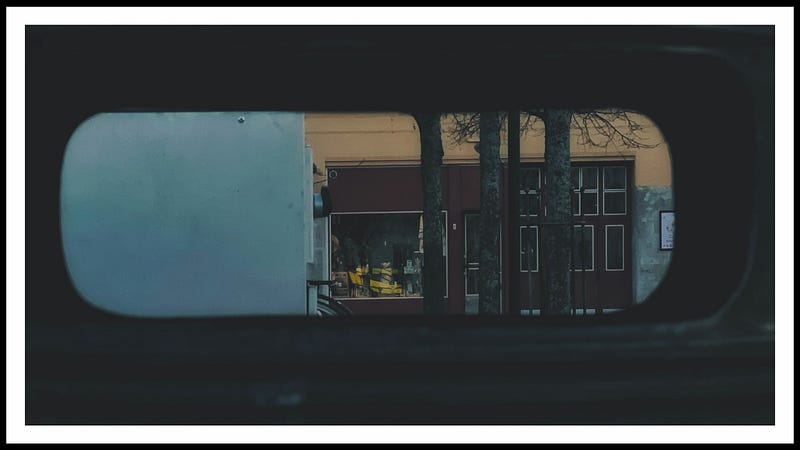
Something I do when I am looking at photography gear is to look at photos taken with a given camera or lens, to see if I can make some kind of educated decision.
Being in such a situation now I find myself going over Reddit, Instagram, YouTube, and a bunch of other more serious photography websites. And while doing this research something dawned on me; the power of frames.
To illustrate what I am talking about I’ll provide two examples.
No Frame vs Frame
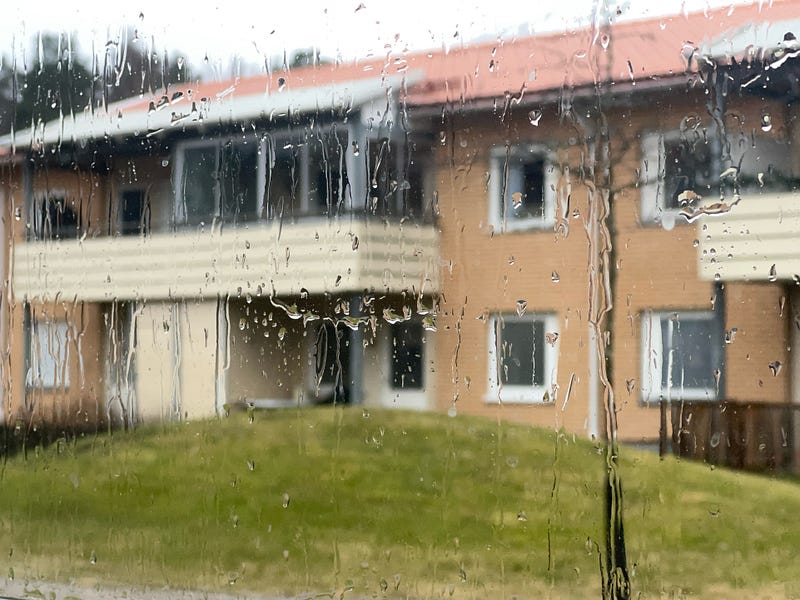
As you can see, just an ordinary photo of a window in the rain looking out over the area. Nothing special at all. Even taking the photo at the time I was not trying to take a capital P photo just a picture of the rain.
However, slap a frame on it.
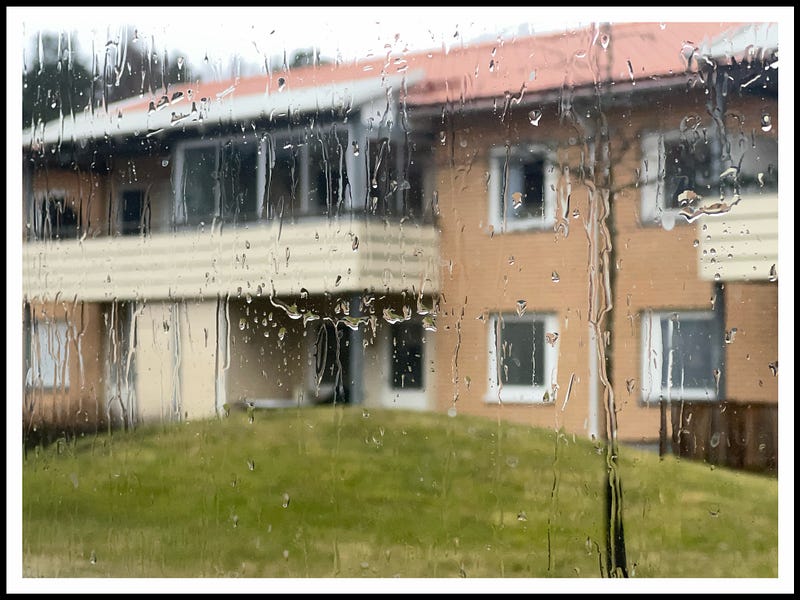
Suddenly the picture looks like it was taken with some kind of artistic intent. Even though I took the picture I feel myself looking at it differently. I started noticing what works in a way I completely ignore in the frameless version. The picture seems better. But it’s not.
It’s A R T — A. Resourceful. Trick.
Realizing this, I returned to Instagram and other places to see if the photos I enjoyed were good or just frame-good. What I came to realize is that a lot of photos I enjoyed are not specifically interesting on their own, the frames just make them appear better.
It’s not that the photos I enjoyed are bad, but they’re not spectacular either.
Likewise, a similar argument can be made for black-and-white photos.
A good photo or a good monochrome photo
I once read something about a black and white photo should never serve as an excuse for a poorly composed or uninspired image. — Yet despite this, I feel like this is often the case when people who are not monochrome by choice decide to use black and white as a way to trick the eye.
Example time!

The image above is nothing special, there were a few good shots from that walk but that one isn’t it. Maybe if it’s cropped a little. But overall the image isn’t very inspiring.
But if we turn the picture into black and white, suddenly the image appears to be a little more intentional.
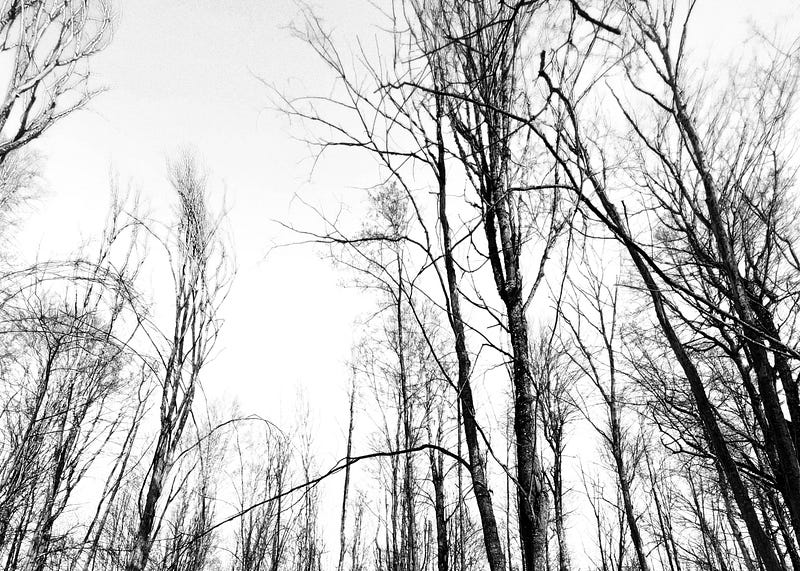
Taking away the color, we suddenly remove everything in the image that seems ordinary. We’re left with a very graphic image that is a little more pleasing to the eye, at least artistically.
And oh boy, if we slap a frame on that.
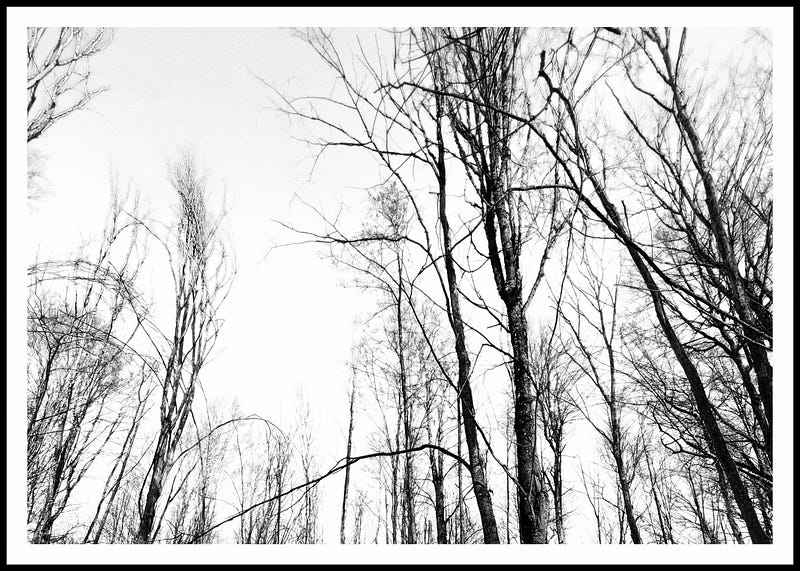
I could see that hanging on someone’s wall bought straight from IKEA.
So what is it about frames and lack of color that makes even people like myself, who at least consider myself decent at judging an image, completely lose any sense of critical thinking? Maybe that’s harsh, I don’t lose all of it. But an at a glance, snap judgment, seems tricked by these things.
Or am I the only one this happens with? Or is there an established psychological reason we find frames appealing, if there is I would love to read about it.
Would love to hear your experiences with this.
Read You Later! — Pezen


