
The Power of DataOps: Leveraging Data to Achieve Competitive Advantage
In today’s data-driven world, managing data as an asset is essential for the success of any enterprise. Digital-native, data-driven enterprises like Facebook, Amazon, Netflix, and Google have built their data infrastructure from scratch, managing their data proactively as an asset from day one. This approach has enabled them to avoid data debt, a common problem for traditional companies grappling with massive legacy data debt. Today, savvy leaders of established companies taking on digital transformation look to the examples of digital-native companies, recognizing that managing data proactively is the first foundational step for their digital transformation.
Enterprises today can find, shape, and deploy data for any given characteristic use case. Many analyst-oriented tools are available for “wrangling” data from great companies such as Trifacta and Alteryx. These distinctive approaches, however, are inadequate for solving broader data debt problems and enabling companies to compete on analytics. Next-level leaders are looking to use data aggressively and iteratively to create new value daily as new data becomes available. The biggest challenge faced in enterprise data is repeatability and scale. Finding, shaping, and deploying data reliably with confidence is crucial.
One framework that can help enterprises begin their journey toward treating their data as an asset is DataOps. The required human behavioral and process changes are as significant, if not more important, than any bright, shiny technology. In successful DataOps projects, participants realize that organizing their data along key, logical business entities is the first step towards ensuring reliable analytics. Examples of logical entities include customers, suppliers, products, research, facilities, employees, and parts. Of course, every enterprise and industry has its collection of critical entities. For instance, banks might prioritize entities that allow fraud detection, while agricultural firms might care more about climate and crop data. Nevertheless, understanding these logical entities across multiple data sources is crucial for reliable analytics.
As part of implementing the DataOps framework, any chief data officer should be able to answer fundamental questions for each essential entity. These questions include: what data do we have, where does our data come from, and where is our data consumed? Creating a reference system that maps a company’s data to core logical entities is a critical component of DataOps infrastructure for ensuring clean, unified data for these entities. This system of reference should incorporate unified attributes constructed from the raw physical attributes across source systems, thereby enabling the management of pathways between raw physical attributes, changes to the underlying data, and common operations on data to prepare it for the authoritative system of reference. DataOps processes and technologies aim to develop core capabilities for managing data proactively and iteratively, which is vital to the success of companies in a data-driven business environment.
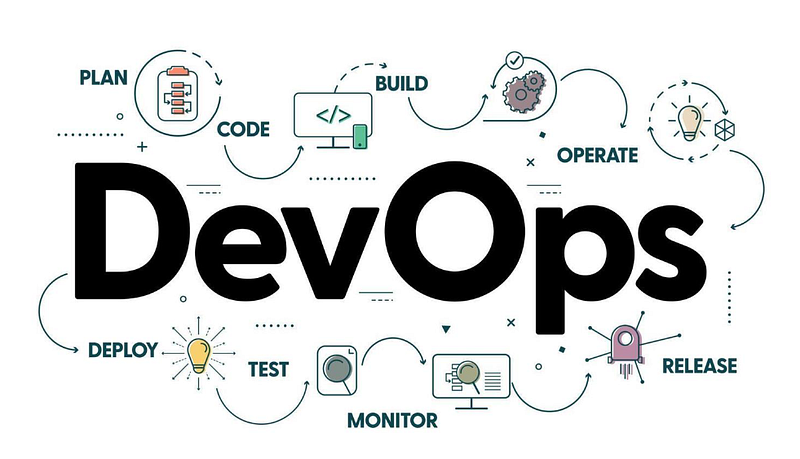
Data debt is a significant challenge many traditional companies face, who risk being left behind by digital-native competitors if they don’t adopt new capabilities quickly. This generational change is a long-term endeavor that requires behavioral, process, and technological changes. The book “Recipes for DataOps Success: The Complete Guide to Enterprise Data Operations Transformation” delves deeper into DataOps and the practical steps required to pay down data debt. The ebook discusses the development of DataOps and its roots in DevOps, best practices for building a DataOps ecosystem, and real-world examples of successful implementation. With the rise of digital-native competitors, traditional companies must adopt DataOps quickly to avoid being left in the competitive dust. Treating data as an asset is essential for success in today’s data-driven world, and implementing a DataOps framework is a crucial step toward managing data proactively and iteratively.
Additional Reading and Resources (mixture of free and subscription services):
For PM, PMM, & ML Bits, Bytes, and Bots
For Education & Analytics Education on Education
Palmer, Andy, et al. “Getting DataOps Right.” DataOps: The Complete Guide to Enterprise Data Operations Transformation, O’Reilly Media, Inc., 2019, pp. 1–13.