
The Plight of the Stigmatized Woman
What it’s like living on the fringe

“The scarlet letter ceased to be a stigma which attracted the world’s scorn and bitterness, and became a type of something to be sorrowed over, and looked upon with awe, and yet with reverence, too.” ~ Nathaniel Hawthorne, The Scarlet Letter
In Hawthorne’s classic The Scarlet Letter, the protagonist Hester Prynne is condemned by the 17th century Puritan community where she resides. Although her husband has abandoned her, a union that resulted in the conception of her daughter Pearl, arouses public scorn. The scarlet A embroidered on her breast is a constant reminder of her scandalous adulterous behavior and humiliation. Loyal to her secret lover Rev. Dimmesdale, Hester conceals his identity and bears her pain alone.
Like Hester, shame and punishment are universal repercussion for women who fail to live according to society’s rules. The need to attribute blame to those perceived as deviating from the moral structure results in stigmatization.
Sociologist Erving Goffman defines stigma as, “a phenomenon whereby an individual which is deeply discredited by her society is rejected as a result of the attribute”.
This dehumanizing trend marginalizes those who deviate from norms and ascribes pejorative attributes. Sociologist Émile Durkheim suggests every society operates from this deviance-normality paradigm.
From a positive perspective, having a healthy sense of shame when it comes to violent criminal behavior is a good thing. Cultivating societal norms that uphold basic decency and values is critical. Naturally when these norms are broken a social reaction is ignited. Yet how deviance is defined and invented is important to consider, as the creation of social prescriptions can involve sinister intentions. Socially constructed notions of what is right and appropriate serve a larger ideology, whether that be capitalism, patriarchy, feminism, or identity politics. When these ideological rules are not adhered to debilitating backlash from the familial to the cultural can result.
Since the endgame is ultimately social control this backlash can take the form of criminalizing sexual orientation, vilifying the mentally ill, denying basic civil liberties to trivializing victimization, such as domestic violence and rape. Hate driven shaming and scapegoating tends to go hand in hand with condemning those who ascribe to aberrant views or ways of life.
When we consider the conventional tenets of sex role orientation, women who fail to conform to the prototype of the feminine ideal of passivity and submission often incur pejorative labels. If she fails to embody the personae of a nurturing mother, a chaste maiden, a dutiful daughter or a loyal wife she is at further risk for earning a sullied reputation.
A woman’s worth is very much defined by her connections to others. Since it is a woman’s biological inheritance to procreate she is deemed naturally affiliative. This opinion coincides with the feminine ideal and reinforces a woman’s role in the domestic sphere. To not embody these principles is tantamount to a sin against nature. How radically a woman deviates from these traditional norms coincides with the level of alienation incurred.
This sort of ostracism and exile from communal belonging is an experience I am all too familiar with.
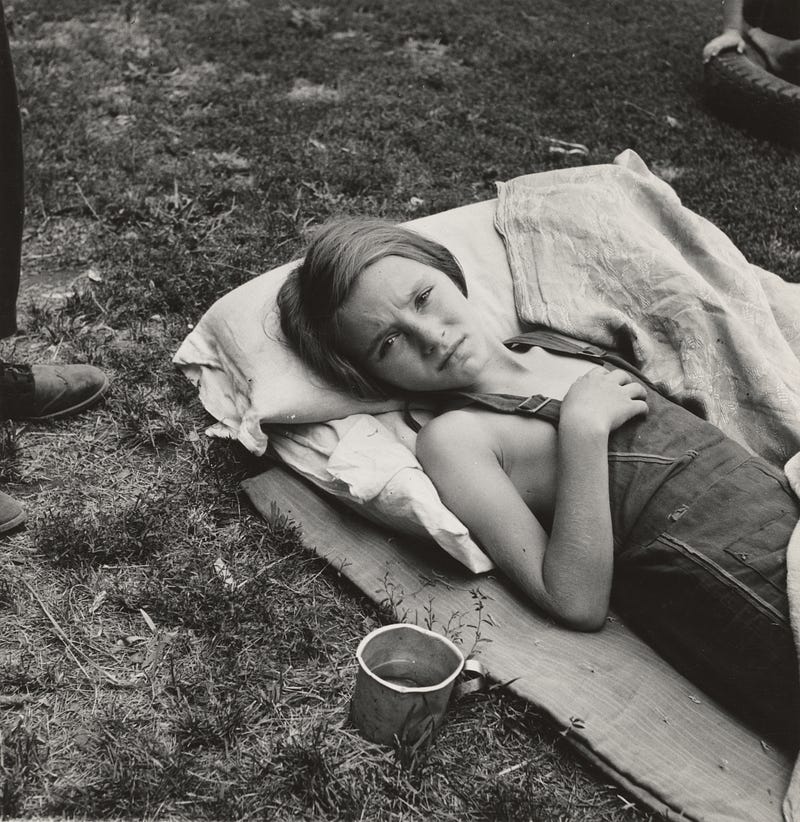
Not all people are born into an idyllic intact family. My familial tribe certainly deviated from this construct. By proxy, from the get go I was designated a crazy child, the unfortunate spawn of two floridly mentally ill parents. As the daughter of a schizophrenic mother and a narcissist father with ties to the mob, learning to live on the fringe was inevitable. Add to that a dependence on welfare, selective mutism, drug abuse, couch surfing throughout adolescence along with complex trauma and you have the formula for living on the edge.
Accordingly, I was marked as an outcast and stigmatized as a rejected child who became a lonely unwanted unstable woman.
Unlike the lone wolf characterization of the staunch male individualist, women who exist in isolation are viewed as lonely spinsters. This designation is aggravated if a woman is childless. On the contrary, a man who defies prescriptive norms may be viewed as emanating an alluring mysterious intrigue and admirable self-sufficiency. The female counterpart, however, is subject to a variety of aspersions. In my case, I personified the pitiful fallen woman. Like my mother, I also carried the stigma of mental illness.
For women like myself who were beset by relational trauma and skin hunger, the relational pursuit took the form of an obsessive-compulsive fixation on sexual and romantic obsession. Desperate to assuage the terror catalyzed by the desolation of traumatic loneliness, I sought refuge in strangers, frantically collected friends, and engaged in a steady cycle of incessant activities. Periodically, drugs and alcohol peppered these pursuits.
Although my longings for intimacy consumed me, there were no sustaining reflective relational mirrors that could anchor me in a secure sense of self. Hence, the ravages of relational trauma impeded my desire to actualize love. In an unconscious desire to create or mend the primary bond and manage feelings of annihilating loneliness, core relational betrayals were reenacted. Although my solitude was unbearable at times, in fact, it was traumatic, I felt shamed by my place in society. I believe I failed and that my sexuality was debased not just by my reckless impulses, but also by the customs and societal norms I failed to live up to.
No matter how I tried to heal and actualize wounded parts of myself, I felt rejected as a woman capable of familial, maternal, and spousal partnership. Eventually, my misguided efforts led me towards an inner descent into madness which led to integration. It was through this process that I faced my darkness and confronted inner and outer oppression and subjugation. The impulse towards freedom challenged me to confront the oppressive forces of order and control. It challenged me to free myself from stigmatization.
It took courage and determination to live in my truth. By engaging with my inner ‘madwoman’ I identified the form of rebellion that liberated me from the forces of oppression that were subjugating me. Specifically, this meant cutting literal and psychological cords with my family of origin. It also meant reclaiming my voice and vocalizing my rage over having my torment reduced to ostracizing labels and judgements.
Rather than experiencing compassion for my difficulties, I often encountered pity. There is a huge difference. By opposing these debasing appraisals I championed those parts of me I shunned. No longer ashamed of the archetypal hysteric, feral child, recluse, addict, whore and victim, I was able to reframe their identities so that dignity could be restored.

Ultimately, the life-affirming aspect of my madness, manifested as self-protective defiance and extreme creative outbursts which led to creating a therapeutic theatre project for women like myself. Along with other women who endured histories of trauma, we elevated our stories to a mythical dramatized level, infusing the profane with the sacred alchemy of art.
It was through this process that I honored the one who was fated as unacceptable by writing her this eulogy during a therapeutic theatre workshop I facilitated for women with complex trauma.
We’re here to pay respects to the little girl who has carried the pain of rejection and loneliness throughout her life. We remember her courage in the face of rootlessness, despair and deprivation, and her resilient efforts to remain hopeful that love would find her. This day marks the death of the torment of her darkness. She who was willing to sacrifice everything to belong; to reclaim her birthright to be loved, to be safe, to do whatever it took to experience tribal union. We honor her ability to seek connection, thwarting the stigma as the outcast, the one who is unwanted, the one who doesn’t matter, who is separate from the rest. We mourn her illusions as we embrace the reality of her plight of her powerlessness over her circumstances. We grieve over her scars compounded by years of abandonment, abuse, and neglect. Most of all we love her in all her woundedness and admire her immense capacity to endure the endless pain of longing for love denied her, while holding on tenaciously to the hope of rescue and acceptance. Eager for some sort of definition in her aimless world, she clutched desperately at anything that might offer her a sense of who she was supposed to be….trying desperately to anchor herself in some sort of constancy and security.
As we lay her illusions to rest we are ready to move into adulthood. We are ready to accept that what was taken from her….unconditional love, safety, admiration, and care cannot be compensated for. Her path was and always has been one of defining her own world and surviving alone in this world. Individuation was her calling at a time when survival meant belonging. She has traveled a tempestuous path of exile, finally arriving at a place of letting go of what could never be so as to be reborn into sacred interdependence in which integrity and self-respect prevail.
Like Hester Prynne, women of courage and integrity survive. We accept what is and defy societal prescriptions. It is my greatest feat that I refused to relinquish or deny who I am because someone else determined I was shameful. This life long struggle gleaned blessings of redemption and self empowerment.
I am proud to proclaim my life is my scarlet letter. It is a testimony to overcoming adversity and the wisdom attained through misfortune. I wear it as a badge of honor.


