avatarSushant Shrestha

Free AI web copilot to create summaries, insights and extended knowledge, download it at here

3333

Abstract

ne of the fiver pillars of Islam, Zakat refers to a social commitment of giving a 2.5 % of your income savings to the poor. It is a way of putting aside a bit of the wealth you accumulate to help the needy.</p><p id="dd7b">Many religions across the world have propounded the idea of charity, but the Zakat practice of Islam, gives the idea more clarity. Staying hungry during the month of Ramadan to experience hunger as a poor and following the practice of Zakat inspires one to always remember that fellow humans are his brothers and sisters. It is one of the best informal practices of social justice.</p><p id="683b">The idea of humility, brotherhood and social justice the idea of Zakat inspires is one of the best teachings we can borrow from Islam.</p><h2 id="f714">3. Christianity: Loving Those who Disagree</h2><figure id="d6e2"><img src="https://cdn-images-1.readmedium.com/v2/resize:fit:800/0*eC_gOcMOT6Z2NRX2"><figcaption>Photo by <a href="https://unsplash.com/@jhc?utm_source=medium&amp;utm_medium=referral">James Coleman</a> on <a href="https://unsplash.com?utm_source=medium&amp;utm_medium=referral">Unsplash</a></figcaption></figure><blockquote id="95aa"><p><i>“Love Your Enemies and Bless Those Who Persecute You”</i> Matthew 5:44 ESV</p></blockquote><p id="f6e4">There might be many beautiful things about the teachings of Jesus, but one of his best advice is to love even those, who disagree with you.</p><blockquote id="81a2"><p><i>I have not come to condemn the world, but to save it.”</i> John 3:17 ESV</p></blockquote><p id="a0b4">As stated in the Bible, Jesus advises men and women not to engage in condemnations, but rather to focus upon creating impact through constructive actions. In an era where most people are busy fighting in the name of identity, religion, region and political views, this idea of Christianity to focus more upon constructive actions is an idea we must not ignore. This idea of constructivism is something that the world desperately needs in today’s world.</p><h2 id="99d8">4. Buddhism: Simplicity of Understanding</h2><figure id="2236"><img src="https://cdn-images-1.readmedium.com/v2/resize:fit:800/0*y5nsGPe746W2qzKW"><figcaption>Photo by <a href="https://unsplash.com/@mattiafalo?utm_source=medium&amp;utm_medium=referral">Mattia Faloretti</a> on <a href="https://unsplash.com?utm_source=medium&amp;utm_medium=referral">Unsplash</a></figcaption></figure><p id="87b5">Popularly known as the “Four Nobel Truths”, Buddhism has beautifully described the gist of human life into 4 parts: Suffering or “Dukkha”, Origin or “Samudaya”, “Nirodha” or ending and “Margha” or path.</p><p id="3c96">Dukkha refers to the novel fact that suffering exists in our life, in one form or the other, in one way or the other. The origin or Samudaya refers to the concept that there is a cause or origin of this suffering. Nirodha on the other hand, reminds us that we should not worry as there is a solution to this suffering. And finally, Margha, refers to the path to be free from this suffering. And these paths have been beautifully described and elaborated as the “Eightfold paths of Buddhism.”</p><p id="f624">Buddhism has described the truths of human life is such a simple way that it is quite easy for anyone to understand the teachings, at least the core values. This simple way of expressin

Options

g complex ideas is what I love the most about Buddhism.</p><p id="caf2">Simplicity in practice and understanding. This is what most young people are looking forward in today’s world.</p><h2 id="7965">5. Sikhism: The Practice of Langar</h2><figure id="c0c5"><img src="https://cdn-images-1.readmedium.com/v2/resize:fit:800/0*ZuB1gb8r0LItanMZ"><figcaption>Photo by <a href="https://unsplash.com/@ambientpictures?utm_source=medium&amp;utm_medium=referral">Mohd Aram</a> on <a href="https://unsplash.com?utm_source=medium&amp;utm_medium=referral">Unsplash</a></figcaption></figure><p id="00e8">No tables. No chairs. No discrimination. Only great food. Love and service.</p><p id="f228">Anyone, who has been to a Gurudwara can feel this greatness of “Langar”, free food service organized by the Sikhs. And it’s far more than free tasty food. The humility, self-less service and dedication of volunteers in the Langar is just amazing. The practice of sitting on the floor and eating together in a community not only serves to send a message that we all are equal, but at the same time also signifies that happiness lies in togetherness.</p><p id="bb5f">No religious restrictions. No discrimination based on anything. Rich or poor. Theist or atheist, you are welcome to the Langar. The self-less service, the idea of equality and humility Langar propounds is far more fulfilling than the delicious food. And I seriously suggest you try this one if there is a Gurudwara near you.</p><h2 id="22e3">6. Taoism: The Importance of Balance</h2><figure id="f4cf"><img src="https://cdn-images-1.readmedium.com/v2/resize:fit:800/0*G13yHEd6cdckPnqH"><figcaption>Photo by <a href="https://unsplash.com/@soflightsto?utm_source=medium&amp;utm_medium=referral">Soyoung Han</a> on <a href="https://unsplash.com?utm_source=medium&amp;utm_medium=referral">Unsplash</a></figcaption></figure><p id="b520">“Ying” and “Yang” refers to the two opposing, but complementary forces that exist in harmony. One of the core ideas behind Taoism, the “Ying” and “Yang” symbolize the harmonious existence of two opposing forces like light and darkness, activeness and passivity, and male and female. Their characteristics are different, there are opposing in nature, but still they exist in harmony through maintaining that “perfect” balance. This is what Taoism advocates harmonious coexistence through maintaining the balance.</p><p id="0be5">In an era, where more and more of us are having a hard time balancing our lives be it personal or professional, this idea of “balance” promoted by Taoism is something we should try inculcating in our lives. Instead of counting the differences, this ideas of “Ying” and “Yang” inspires us in our daily lives to appreciate, collaborate and enjoy the diversity in harmony.</p><p id="14bc">Dear Readers, these were some of the teachings and practices I found really insightful from the world’s major religions. This article was written with the idea of spreading positivity and acknowledging the teachings, positive and values. If there happens to be any shortcomings from my side in interpretation or I missed to include some of the other best practices, please do forgive me.</p><p id="c6f6">Let’s also acknowledge the positive while continuously working for our and others growth! Wish you a great day ahead.</p></article></body>

The Plan We Failed to Understand

The Best from the Major Religions of the World

Photo by Josh Boot on Unsplash

Religion is not only about scriptures, it’s also the teachings. Religion is not only about an identity, it also a guideline to lead life in a meaningful, mindful and rational way.

As more and more people look forward towards becoming rational and informed, it seems they deem religion as something like an irrational belief system. Something of an identify rather than values.

But religion is more than that. It’s more about teachings, it’s more about realizations and that too with a set of rational perspectives.

In this article, I have tried to compile some of the best teachings from major religions across the world. I am not qualified enough that I can interprets scriptures and texts, and nor do I seek to challenge beliefs and assumptions.

But I look to do one thing -acknowledge and help others acknowledge: the beauty and the positivity of things around. As the part of this idea, here are some of the best teachings and practices from some of the major religions of the world.

1. Hinduism: Multilateralism

Photo by Sandeep Kr Yadav on Unsplash

The best thing I love about Hinduism is the idea of Multilateralism it propagates. Multiple Gods and Goddesses, multiple ways of worship, multiple ways of devotion ranging from Bhakti Yoga to Karma yoga.

For instance, all kinds of roles are celebrated in Hinduism. Sita as a devoted wife is celebrated, Ram as a devoted son is celebrated, Laxman as a devoted brother is celebrated, Prahalad as a devotee is celebrated, King Bali as a righteous ruler is celebrated.

This very idea of celebrating different form of roles, and acknowledging that there are different ways of doing something, be it attaining Liberation or worshipping God is what I love the most about Hinduism.

There are a lot of other parts one can appreciate about being a Hindu, personally I resonate the most with the idea of “Multilateralism”. I find this idea a great inspiration for promoting and maintain inclusiveness, peaceful coexistence and most importantly: harmony without uniformity.

2. Islam: The Zakat Practice

Photo by Levi Clancy on Unsplash

One of the fiver pillars of Islam, Zakat refers to a social commitment of giving a 2.5 % of your income savings to the poor. It is a way of putting aside a bit of the wealth you accumulate to help the needy.

Many religions across the world have propounded the idea of charity, but the Zakat practice of Islam, gives the idea more clarity. Staying hungry during the month of Ramadan to experience hunger as a poor and following the practice of Zakat inspires one to always remember that fellow humans are his brothers and sisters. It is one of the best informal practices of social justice.

The idea of humility, brotherhood and social justice the idea of Zakat inspires is one of the best teachings we can borrow from Islam.

3. Christianity: Loving Those who Disagree

Photo by James Coleman on Unsplash

“Love Your Enemies and Bless Those Who Persecute You” Matthew 5:44 ESV

There might be many beautiful things about the teachings of Jesus, but one of his best advice is to love even those, who disagree with you.

I have not come to condemn the world, but to save it.” John 3:17 ESV

As stated in the Bible, Jesus advises men and women not to engage in condemnations, but rather to focus upon creating impact through constructive actions. In an era where most people are busy fighting in the name of identity, religion, region and political views, this idea of Christianity to focus more upon constructive actions is an idea we must not ignore. This idea of constructivism is something that the world desperately needs in today’s world.

4. Buddhism: Simplicity of Understanding
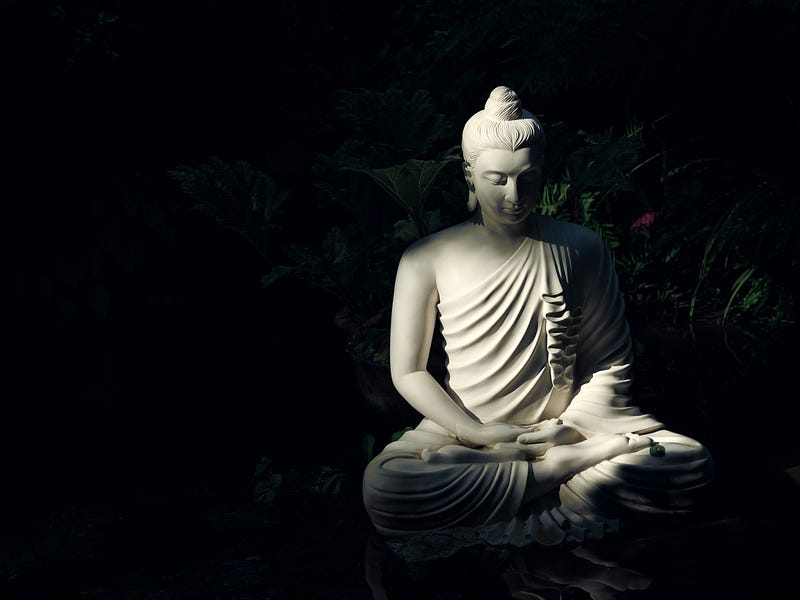
Photo by Mattia Faloretti on Unsplash

Popularly known as the “Four Nobel Truths”, Buddhism has beautifully described the gist of human life into 4 parts: Suffering or “Dukkha”, Origin or “Samudaya”, “Nirodha” or ending and “Margha” or path.

Dukkha refers to the novel fact that suffering exists in our life, in one form or the other, in one way or the other. The origin or Samudaya refers to the concept that there is a cause or origin of this suffering. Nirodha on the other hand, reminds us that we should not worry as there is a solution to this suffering. And finally, Margha, refers to the path to be free from this suffering. And these paths have been beautifully described and elaborated as the “Eightfold paths of Buddhism.”

Buddhism has described the truths of human life is such a simple way that it is quite easy for anyone to understand the teachings, at least the core values. This simple way of expressing complex ideas is what I love the most about Buddhism.

Simplicity in practice and understanding. This is what most young people are looking forward in today’s world.

5. Sikhism: The Practice of Langar

Photo by Mohd Aram on Unsplash

No tables. No chairs. No discrimination. Only great food. Love and service.

Anyone, who has been to a Gurudwara can feel this greatness of “Langar”, free food service organized by the Sikhs. And it’s far more than free tasty food. The humility, self-less service and dedication of volunteers in the Langar is just amazing. The practice of sitting on the floor and eating together in a community not only serves to send a message that we all are equal, but at the same time also signifies that happiness lies in togetherness.

No religious restrictions. No discrimination based on anything. Rich or poor. Theist or atheist, you are welcome to the Langar. The self-less service, the idea of equality and humility Langar propounds is far more fulfilling than the delicious food. And I seriously suggest you try this one if there is a Gurudwara near you.

6. Taoism: The Importance of Balance

Photo by Soyoung Han on Unsplash

“Ying” and “Yang” refers to the two opposing, but complementary forces that exist in harmony. One of the core ideas behind Taoism, the “Ying” and “Yang” symbolize the harmonious existence of two opposing forces like light and darkness, activeness and passivity, and male and female. Their characteristics are different, there are opposing in nature, but still they exist in harmony through maintaining that “perfect” balance. This is what Taoism advocates harmonious coexistence through maintaining the balance.

In an era, where more and more of us are having a hard time balancing our lives be it personal or professional, this idea of “balance” promoted by Taoism is something we should try inculcating in our lives. Instead of counting the differences, this ideas of “Ying” and “Yang” inspires us in our daily lives to appreciate, collaborate and enjoy the diversity in harmony.

Dear Readers, these were some of the teachings and practices I found really insightful from the world’s major religions. This article was written with the idea of spreading positivity and acknowledging the teachings, positive and values. If there happens to be any shortcomings from my side in interpretation or I missed to include some of the other best practices, please do forgive me.

Let’s also acknowledge the positive while continuously working for our and others growth! Wish you a great day ahead.

Spirtual
Religion
Sprituality
Self-awareness
Positive Thinking
Recommended from ReadMedium