avatarTiago Bele

Free AI web copilot to create summaries, insights and extended knowledge, download it at here

1386

Abstract

  • Like this.</p><p id="f373">2- Just by typing.</p><p id="c7ab">Let's talk about another thing.</p><h2 id="b1c1">Format the Subtitles Accordingly</h2><p id="8744">With a bold and adequately capitalized structure, like the one above. Moreover, did you see the three dots above the subtitle? That is done to break a section and let the reader know something new (but still related to what you are talking about) is coming. This is not strictly necessary, but do use the Subtitles to let the reader know indeed something new is coming.</p><h2 id="ba54">On Quotes</h2><p id="7efb">If the quote is short, you can use it inside the phrase. Also, always try to put the year or work from which the information is coming, as "this guy said something like this" in his <a href="https://tiagobele.medium.com/">Great Book from 2022</a>. You can embed the link as I did too.</p><p id="9d15">When it is an extensive quote, use the proper quote mark on Medium (and don't forget the double dot), like this:</p><blockquote id="e83c"><p>When he talked that long just to show something, it was impóssible not to understand what he was talking about. Moreover, it was a great meta-show on how to do things accordingly. —<a href="https://tiagobele.medium.com/"> Tiago Belé, The Philosophy Hub — On Formatting</a></p></blockquote><p id="8f43">Always embed the link, not at the phrase, but the author's name,

Options

like the one above. You don't need the quote mark "…" as you are already using the quote format on Medium, but if you want, make sure all your quotes follow a standard.</p><p id="3c25">Sometimes, if a quote stands out, you can use the "big one," like this:</p><p id="e072" type="7">“Big amazing quote“— Tiago Belé, The Philosophy Hub — On Formatting</p><p id="99fb">As this one does not have the dash on the side, indicating it's a quote, please, do use the quote mark "…".</p><h2 id="34cb">Make a Takeaway</h2><p id="5040">It is very lovely to summarize at the end of what you discussed above. It does not need to be an actual summary, but try to take the most critical points of what you said. If there is no wrap-up, use it to conclude your thought.</p><p id="21c8">You might have noted that all the paragraphs here are somehow short. This also increases readability. Try to make them between 4 and 6. More than seven is too much, and you should divide it. To polish and check grammar, I totally recommend G<a href="https://www.grammarly.com/">rammarly</a>. They also have a free version that should suffice for the bulk of your piece.</p><p id="20c6">You can link your profile on this last space. In the near future, the publication will use this space and promote. This is both for you and The <a href="https://medium.com/the-philosophy-hub">Philosophy Hub</a>.</p></article></body>

The Philosophy Hub — On Formatting

Dear writers, try to follow this structure
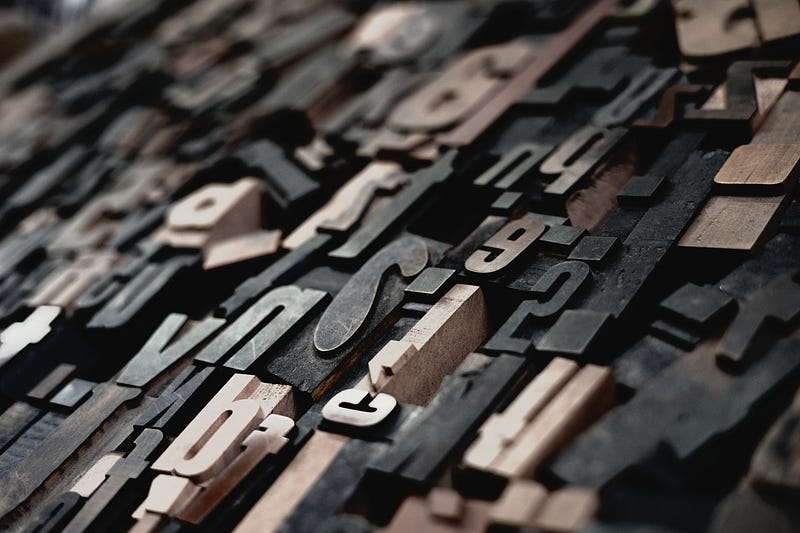
Photo by Raphael Schaller on Unsplash

It is like this because everybody likes it. It increases readability, and it helps you organize your ideas better and show the reader what is to expect. Did you see the image above? There is a reference to the photographer and where we got the picture. Do the same.

On the main title, appropriately capitalize the words on it. There are great websites that can do this with a simple copy+paste.

Always when depicting some idea or fact on bullet points, use a double dot like this:

  • Here I pressed "asterisk" and then "Space" to begin the bullet point
  • Here it was just an enter, after the previous line

And now was just an enter and backspace. You can also present as numbers:

1- Like this.

2- Just by typing.

Let's talk about another thing.

Format the Subtitles Accordingly

With a bold and adequately capitalized structure, like the one above. Moreover, did you see the three dots above the subtitle? That is done to break a section and let the reader know something new (but still related to what you are talking about) is coming. This is not strictly necessary, but do use the Subtitles to let the reader know indeed something new is coming.

On Quotes

If the quote is short, you can use it inside the phrase. Also, always try to put the year or work from which the information is coming, as "this guy said something like this" in his Great Book from 2022. You can embed the link as I did too.

When it is an extensive quote, use the proper quote mark on Medium (and don't forget the double dot), like this:

When he talked that long just to show something, it was impóssible not to understand what he was talking about. Moreover, it was a great meta-show on how to do things accordingly. — Tiago Belé, The Philosophy Hub — On Formatting

Always embed the link, not at the phrase, but the author's name, like the one above. You don't need the quote mark "…" as you are already using the quote format on Medium, but if you want, make sure all your quotes follow a standard.

Sometimes, if a quote stands out, you can use the "big one," like this:

“Big amazing quote“— Tiago Belé, The Philosophy Hub — On Formatting

As this one does not have the dash on the side, indicating it's a quote, please, do use the quote mark "…".

Make a Takeaway

It is very lovely to summarize at the end of what you discussed above. It does not need to be an actual summary, but try to take the most critical points of what you said. If there is no wrap-up, use it to conclude your thought.

You might have noted that all the paragraphs here are somehow short. This also increases readability. Try to make them between 4 and 6. More than seven is too much, and you should divide it. To polish and check grammar, I totally recommend Grammarly. They also have a free version that should suffice for the bulk of your piece.

You can link your profile on this last space. In the near future, the publication will use this space and promote. This is both for you and The Philosophy Hub.

Formatting
Writing
Structure
Articles
Philosophy
Recommended from ReadMedium