
The Phenomenon of Nick Drake
Was he the misunderstood musical equivalent of van Gogh?
.png)
The VW commercial in 1999 was not the hook.
It was a Compact Disk my friend played while we were driving south on 101 from Oysterville to Astoria. I wondered why the songs were so familiar and intimate, like the sensation of opening a door into an old-school record store listening room? A young man with an ethereal voice was sitting in the room, playing guitar, singing to himself, words I could barely understand. I experienced the music as being shy and self-conscious, almost delicate.
That was what drew me in.
The music shared the melancholy of the coastal landscape we were driving along — gray upon gray, sea and sky merging with layers of nuance and sentiment. I was vexed by how to classify the music. Was it folk or jazz? Was I hearing subtle references to classical music? I was drawn in by the strange guitar chord progressions and the poetic lyrics.
A day once dawned
And it was beautiful
A day once dawned from the ground
Who is this guy, I asked?
Right, my friend said in a way that confirmed she, too, had been baffled. “I’ve been listening to these songs on repeat for weeks. His name is Nick Drake.”
She told me the bits she knew about him — British and a musical genius. He died at 26 in 1974 from an overdose of Amitriptyline. His music did not have a significant following until his albums re-emerged recently.
I started listening to the CD my friend burned for me on repeat. From that moment on, Nick Drake’s music accompanied the next 22 years of my life.
Drake’s music helped me through the losses, celebrations, and challenges that circled in my life — including chemo infusions, courting my partner, and losses of beloved people and animals. When I ran therapy groups in a psych hospital, I shared Nick Drake’s songs with patients. The music had a calming influence. Even though the songs were melancholy in tone, they were strangely hopeful and inspiring. I read that Drake, who struggled with depression, wanted his music to help people. I imagine Drake would have been astonished to know how many people his music has impacted.
After watching The Royal Tenenbaums last weekend, featuring Drake’s music in its soundtrack, I realized how little I knew much about him. I cast around on the internet for stories.
.png)
Here are a few things I discovered.
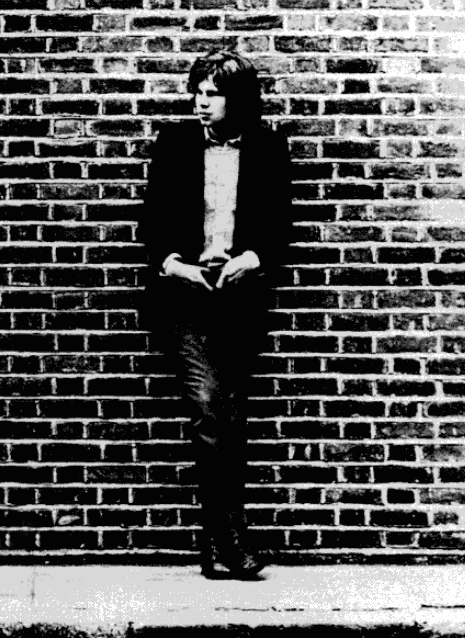
Nick Drake was born in Burma in 1948 and grew up there and in England. He also was schooled in France. At Cambridge, he majored in Literature — drawn to mystical poets like William Blake and WB Yeats — but wasn’t engaged in classes, preferring to stay in his room, play music, and smoke weed.
He experimented with various guitar tunings and challenging chord sequences to create the particular ambiance he wanted in each song.Five Leaves Left, his first album, was released in 1969 when he was still a student.
Drake’s musical career was a commercial disaster. He had difficulty touring and giving interviews because he was so sensitive and withdrawn. The musician gave inconsistent performances — forgetting lines, starting songs over, and even walking off stage when frustrated. Drake would not compromise on his musical vision, and as a result, he couldn’t compete with other rock stars of the1970s like Elton John and David Bowie. He longed for a following but likely would have had trouble receiving excessive adoration from fans.
Critics described Drake as being out of reach like an exhibit in a glass container and never really there because he was everywhere, broody and dark. The folk music crowd complained that Drake’s songs lacked choruses, plus they disliked he did not chat up the audience between sets. The young performer’s music never found its home in the hearts of those who heard it.
Drake was ahead of his time.
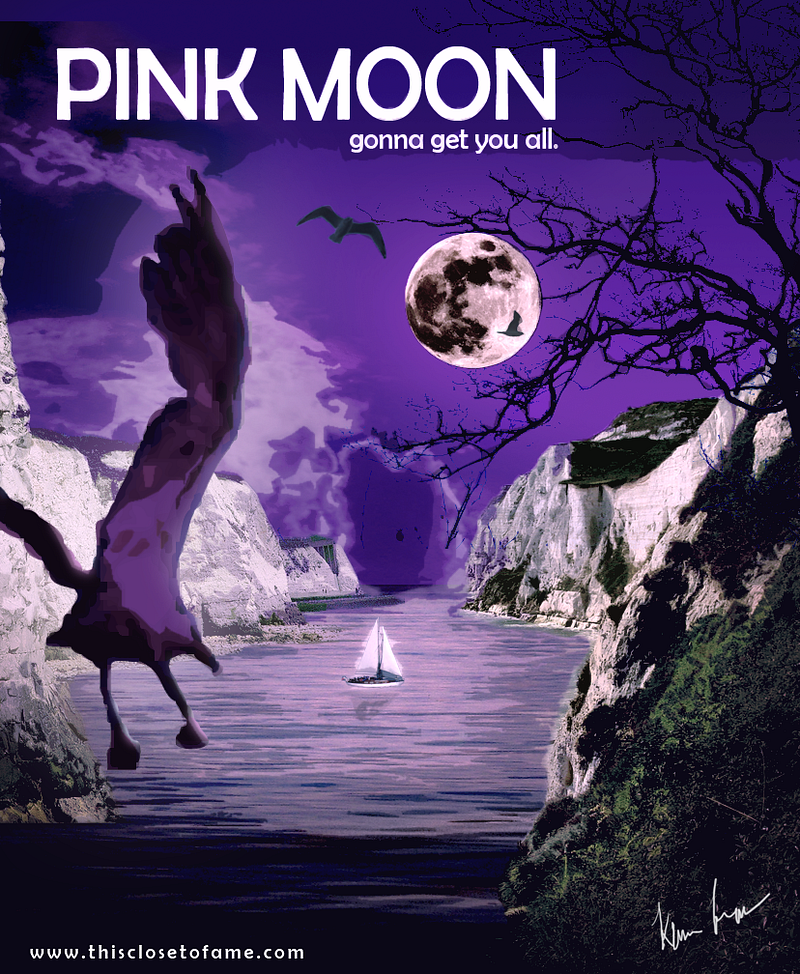
That was true until 1999 when Drake’s song Pink Moon was the theme song in a VW Cambrio TV ad. That song was named one of the Billboard Hot 100 songs. Drake was also declared one of the 101st most acclaimed recording artists in history — a strange turn for an unlauded genius.
Moreover, Nick Drake has inspired so many musical artists over the years, including Elton John, who recorded some of Drake’s songs in publishing demos released in 1994. He also influenced Peter Buck of REM and Robert Smith of The Cure. I read a rumor that the band’s name comes from a Drake line — a troubled cure for a troubled mind.
The list of his admirers has grown longer over the years. Musicians like Norah Jones, Jose Gonzalez, Iron & Wine, Kele Okereke, and Phoebe Bridgers were all inspired by Nick Drake.
One music critic observed that Drake’s arrangements echoed Bach, Handel, and other Baroque composers. The writer described Drake’s music as mysterious with a haunting atmosphere due to major chords shifting into minor chords.
Interesting to note is how many artists have come along after Drake whose careers have thrived despite initial awkwardness or shyness. Artists have also come out in public about wrestling with mental health issues with depression as Drake did in his song — black-eyed dog he called at my door The black-eyed dog he called for more — and others.
In the end, Nick Drake’s music has endured the test of time and continues to beckon us back to the listening room.