
The Perils of Sponsored Content

TL;DR — Sponsored content on sites like Medium is not “good content.” Like fire, it can be a useful tool for cooking or it can burn your house down. Some societies respond by banning technology that has the potential for harm. Other societies build systems to manage the risk of that harm, in order to gain the benefit of that technology. Sponsored content is not harmless, if allowed it can change the fundamental nature of a community. But, does that mean it should be altogether eliminated?
It’s the COVID-19 economy stupid

All of us are trying to find new ways to make ends meet. Many of us are living off of our savings right now. We owe it to ourselves to at least consider new kinds of markets. Can markets for sponsored content provide people a way to be compensated for the work they do? Sure, but we don’t want to transform authors we enjoy reading into snake oil salesmen either.
What is sponsored content exactly?

All sponsored content advocates to promote a brand, idea, product or service. This is the hallmark that allows you to identify when content is being sponsored. All brands have some sort of financial incentive. Even some charities seek to do good with the hopes of raising more funds in the future. Any content which advocates for a future financial transaction between a reader and a brand is sponsored content. This content must be carefully monitored to reduce the potential for harm.
Whether or not you think MLMs are good, everyone knows that the people with the most wealth are those at the top of the pyramid. Most sponsored content exists in this kind of realm, the realm of profit and loss. This is why it must be severely regulated to prevent it from turning communities of open discussion into markets of shameless promotion.
We don’t want to create communities that promote goods and services that effectively move wealth from the many to the few.
We must be careful whenever we decide to allow sponsored content into our communities. Sponsored content is potentially dangerous content. Any sponsored content which advocates for a financial transaction has the potential to defraud the reader. That’s why the rational moderator doesn’t want to allow unregulated sponsored content on their platform. Since no one wants to buy snake oil, we shouldn’t allow snake oil salesmen into our communities.
A guide to discerning sponsored content
We must always ask ourselves, does this content have the potential of producing benefits for a few promoters and toxic consequences for readers? Any form of sponsored content, no matter how good it appears to be can become toxic. We need a guide to determine if sponsored content is healthy. That guide should weigh the costs and benefits associated with the consumption of specific content. We must be able to identify:
- Who is paying for the content to be produced?
- Who benefits when the content is distributed?
- What are the costs created when the content is consumed?
- What are the benefits created when the content is consumed?
- Do the participants who pay the most cost associated with a publication’s consumption receive the most benefit?
To determine if sponsored content is healthy we should ask:
Is this content benefiting the people who pay the most as a consequence of it being consumed? Who is harmed when this content is consumed?
It is important to note that a sponsored content guide does not care about the costs associated with the production of a publication, but only the costs associated with the consumption of a publication.
What if the content doesn’t seem to sell anything specific?
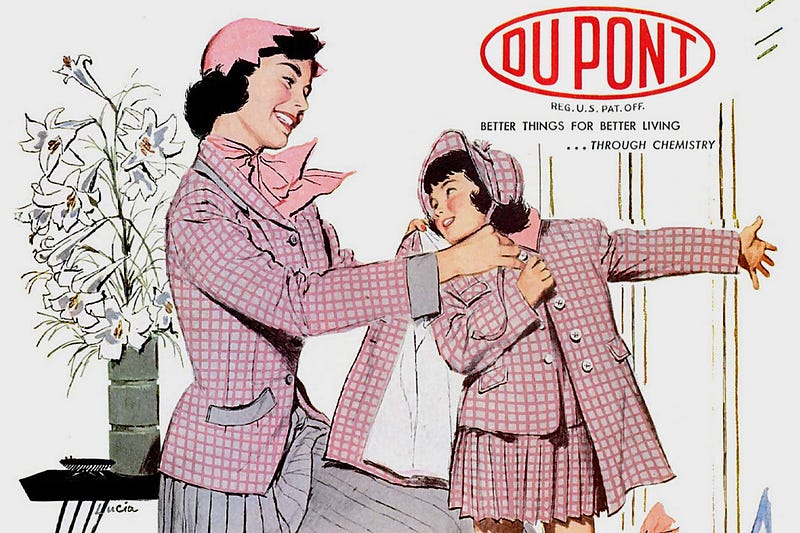
If content is sponsored then it is advocating for something. Even if a sponsor simply wants to brand themselves as a “good corporate citizen,” the sponsor is actually attempting to sell you on their brand. The aim is almost always tied to the potential of financial profit for the sponsor in the future.
Is all sponsored content potentially harmful?
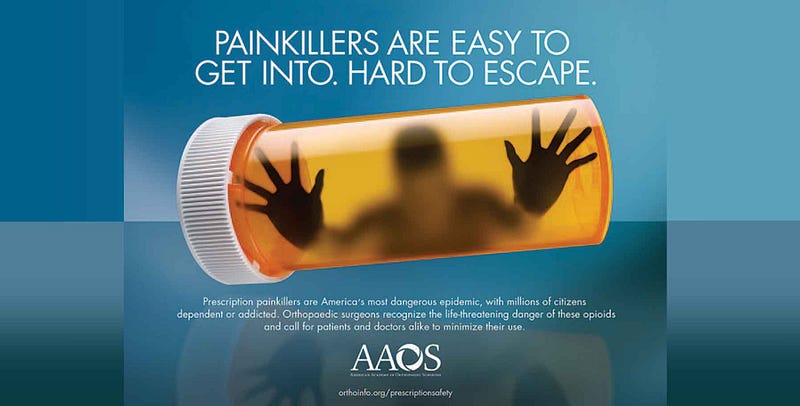
Again this depends on the potential harm to the reader and the greater society. Some sponsored content exists in the form of a Public Service Announcement or PSA. PSAs seek to educate people about some issue the sponsor feels is of importance to the public. The motivations of a PSA will be as varied as the people who are producing them. If you grew up in the United States in the 80’s you remember Schoolhouse Rock! (ABC) and The More You Know (NBC). These groups produced PSA commercials that aired on US television during the Saturday morning cartoon lineup. The most famous of these was “I’m Just a Bill.”
These PSAs were aimed to educate children about topics that the networks believed were important. These ranged from teaching children mathematics to warning them about the dangers of drugs and alcohol. Why these PSAs actually aired is debated even today. Why would these networks give up valuable airtime to show PSAs that held no monetary value? I honestly don’t know but their usage has declined since the 1980s.
Is only commercially sponsored content potentially harmful?
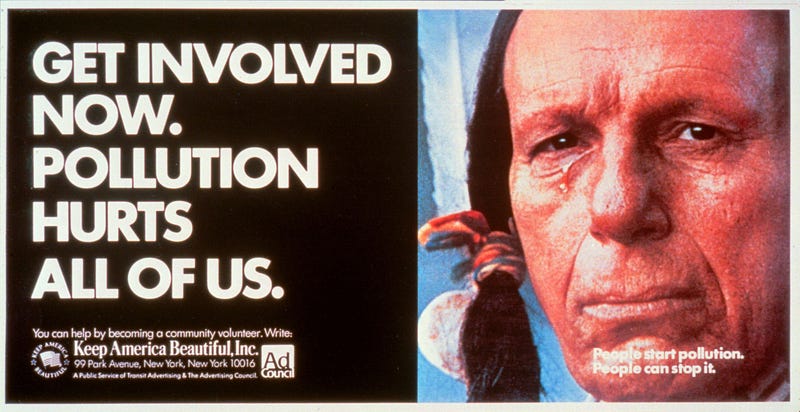
The conclusion you may be tempted to draw is that, if sponsored content is a PSA that isn’t advocating for a commercial product then it’s harmless. Again this depends on the potential harm to the reader and the greater society. Discernment is always required to determine the motives of the sponsor and the potential harm to the reader. The above picture was an iconic ad that was produced by the plastics industry. Certainly, it evokes a great deal of sympathy within us for the environment, but very few people understood what the real intention of the sponsors may have been.
The plastics industry wanted to shift the public’s attention away from the reduction of plastic consumption towards a greater focus on recycling. Given how little of our plastics are actually recycled today, many are starting to question what seemed like a very positive PSA at the time.
Conclusion

Whether or not sponsored content should be allowed depends on the potential harm to the reader and the greater society. This requires us to think critically and to continue to be skeptical even decades after a PSA or other sponsored content is produced and distributed.
Not all advertising is harmful. Only advertising that misrepresents the truth, presents partial or half truths or is outright false is harmful.
To sum up there are three obvious categories of sponsored content which are in widespread use in society today:
- Promotional media such as an advertisement that directly advocates the reader to make a financial transaction. This type of media features a good or service that the reader can purchase from the creator of the advertisement or their affiliate. This type of sponsored content has the greatest potential for harm in the short term as a consequence of readers consuming the publication.
- Promotional media that advocates for a brand. This type of media typically does not feature a specific good or service and is not advocating for the reader to make an immediate financial transaction. The intention of the creator is to increase the value of their brand among consumers. This action is driven by the brands desire to create a relationship with consumers. The brand sponsors the content because they believe that their relationship with the consumer will motivate future financial transactions.
- Media in the form of a PSA which advocates for an idea. This type of media, when taken at face value, does not initially appear to advocate for a product, a service or a brand. PSAs advocate for an issue which the sponsor feels is important to them and to the broader society. PSAs don’t initially seem driven by financial incentives. Since the content never mentions a product, a service or a brand it doesn’t seem to be tied to a financial outcome. Discernment is still required to understand the real motivations of the sponsor. Consumers should determine if there is any financial incentive driving a sponsor to advocate for the idea.
There are two other types sponsored content which I will discuss in my next post. These two types of sponsored content have the greatest potential to shape content on the Medium platform but they operate in different ways.
We know that sponsored content can clearly cause harm, especially when it enables financial fraud. Even when sponsored content appears as a PSA, it may be driven by financial incentives which result in harmful consequences for society. Sponsored content in the form of ads have played an essential role in capitalist societies to fund a variety of publications and media platforms. Without online digital advertising most of the products and services we use on the internet wouldn’t exist.
Still, most people have a mistrust for sponsored content when it isn’t tied to a brand they can recognize. On some platforms such a Facebook, where anyone can buy ads for anything, this mistrust is reduced. On other platforms such as Medium this skepticism is more pronounced. I believe there is a way to incorporate sponsored content into our media diet and I will explain more in the next post:
The Promise of Sponsored Content on Medium
Thanks goes out to Indra Raj Pathak, Indra Raj Pathak, Ann K Frailey, Karen Madej 💛, Dr Mehmet Yildiz, Desiree Driesenaar who inspired me to write this post.


