
The Perils of Being Obstreperous
Nursing home resident meets an untimely demise
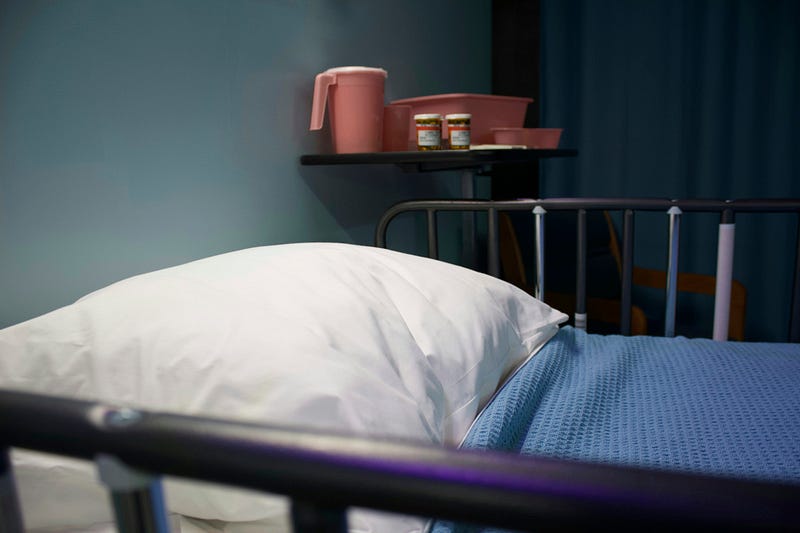
My aunt Jane, a hospice patient, died on March first, at the age of 78.
Jane’s death came as no surprise to me; indeed, I had predicted it, give or take a week.
I do not claim precognition in the paranormal sense. Nor was my foreknowledge based on the prognosis as to Jane’s suffering from terminal illness — she wasn’t.
It was the nursing home staff who were suffering — from Jane’s perpetual ranting.
Jane persistently refused to eat the “lousy” food. She demanded fresh fish, which they declined to provide. A friend obliged her every few days; between times, Jane went without.
Jane had a nasty bedsore on her back, which was treated with antibiotics.
And morphine.
The nursing home administrator had Jane moved to the hospice unit, where — as she explained to the family — they were better equipped to “take care of her.”
“Take care of her,” they did — in the ironically euphemistic Mafioso sense.
Within three weeks of her transfer to hospice, Jane was dead.
I do not mean to imply that hospice programs in general make a practice to hasten death. Their mandate is to keep terminal patients “comfortable” during their final days, generally via intravenous morphine.
Per protocol, patients are assigned to hospice care only if their predicted life expectancy is under six months. Given Jane’s placement in hospice (despite no terminal diagnosis ) — and given the generous administration of “comfort” measures — I accurately “predicted” her death.
I wrote about the “morphing” of another “Aunt Jane.” (refer to: End of Story)


