
The Perfect Storm: How a Triple Threat of Challenges is Threatening American Schools
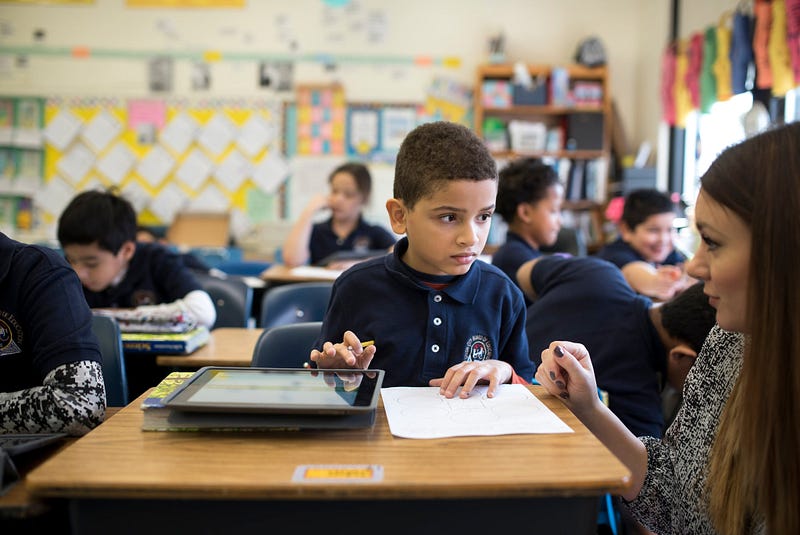
American schools are facing a perfect storm of challenges as they head into the new school year. We are currently facing a nationwide teacher shortage, a nationwide bus driver shortage, and a nationwide mental health crisis, all of which are taking a huge toll on students and educators alike. The percentage of teens (especially young girls) who are suffering from self-reported persistent sadness or hopelessness is currently at record highs.
The Coronavirus global pandemic may be partly to blame as it was well documented to have been a very rough period for students and educators. With fears of infection, sickness, and in some cases death many schools were forced to make drastic changes to the way they operated. Many schools quickly transition from in-person learning to a primarily online education setting. During this period social isolation due to less human interaction appears to have had a mostly negative impact on staff and students. Many students were ill-equipped to be able to successfully navigate such a monumental and abrupt transition. Some of the many contributing factors for this are understood to have been; a lack of access to technology, a lack of parental support, difficulties with self-regulation, as well as reduced amounts of social interaction.
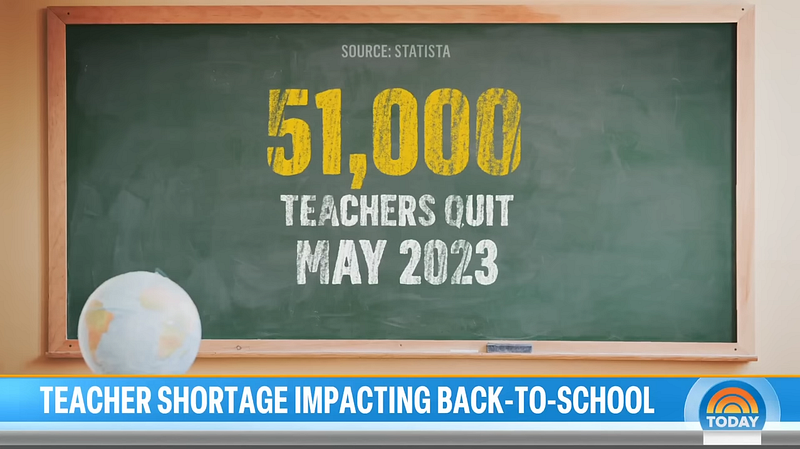
Post-COVID infection rate highs in the US also likely played a role. In 2021 and 2022 as things were slowly starting to return to normal, often students, teachers, and staff absences made for difficult and disconnected routines. In addition to the mentioned challenges, this period saw a large number of resignations and early retirements. This is something quite understandable as the US suffered over 80 million infections (or a quarter of the US population) and around a million deaths during this period. Meaning that individuals and staff had to weigh the risks and benefits of continuing to work, given their health and well-being. Also worth noting is that around a third of those infected were left dealing with ongoing health issues from ailments such as “Long COVID”, and which included lingering symptoms such as heart palpitations, chronic cough, chest pain, brain fog, and extreme fatigue, among others.
Although the global pandemic can only be partly to blame, US teachers have long complained (and occasionally protested) about the lack of funding for US public schools and their notoriously low wages. It is well known in the US that taking on the profession as a public school teacher is typically accompanied by low pay, and infrequent pay increases, with some feeling forced into taking on additional jobs just to be able to make ends meet. The teacher shortage has been particularly acute in high-need schools, where students are more likely to come from low-income families and have learning challenges. In these schools, teachers are often overworked and underpaid, and they may not have the support they need to meet the needs of their students.
The bus driver shortage is also a major problem. In some districts, schools have had to cancel bus routes or consolidate them, which means that students have to walk or bike to school or rely on their parents for transportation. Which can be a major obstacle for students who live in rural areas or who don’t have reliable transportation. With US inflation taking a serious toll on the cost of living nationwide, working as a school bus driver alone is unlikely to produce enough for a living wage. Also, the tight US labor market and shortages in the number of applicants per job, have seen several individuals in the last few years leave low-paying jobs for what are seen to be more lucrative prospects.
Some Additional Contributing Factors often Cited by Teachers:
- The rise of gun violence in US schools (Safety concerns)
- Lack of respect from students (Respect)
- A rise in the number of unruly students (Discipline)
- Lack of support from administrators and parents
- Unmanageable workloads
- Controversial gender ideology policies and ongoing culture wars
The combination of these challenges is creating a perfect storm for American schools. Students are not getting the education they need, and educators are feeling overwhelmed and stressed. This recipe for disaster has been brewing for a very long time. Although many are now wondering what will it take so that the proper amount of attention, funding, policies and or legislation will finally be put into place and enforced at both the State and the National levels, so that our struggling schools and youth might have a fighting chance. As the future of our children and our nation depends on it.
As Medium appears to have recently made changes to the way that they operate, I have also had to make changes to my post-article statement. Please don’t forget to clap, and comment, as I’m always interested to know what others think, and share. If not already a follower of my work then please follow me and subscribe to my mailing list for more great pieces just like this one.


