
The Perfect Gadget to Save Your Self From Traffic Police.
Trust me this Gadget should be Made Illegal, but people use it.
For Knowledge Purposes Only.
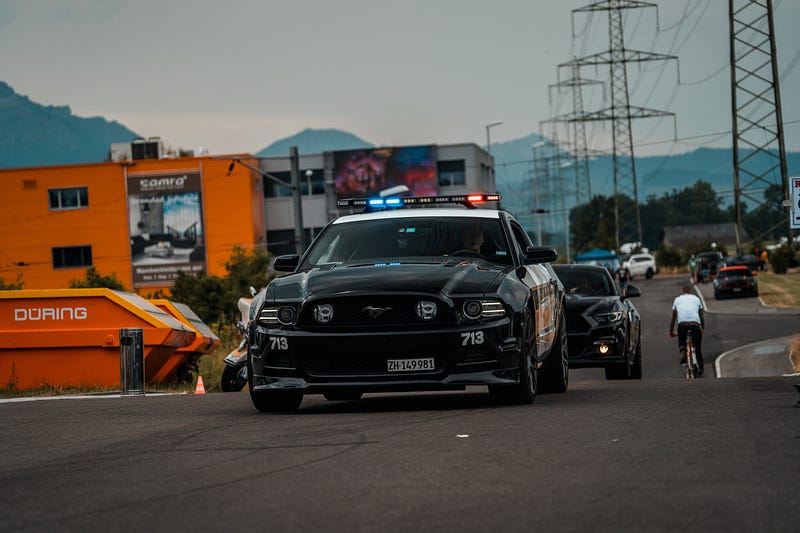
If you love speeding, which you should not, then this article is for you. The fact that traffic police always get you busted for overspeeding is a good thing considering the fact that it is dangerous and lethal for many. I would suggest you first dont read this article but, if you still want to fulfill the devil's wish inside you then go ahead.
The Technology Behind Police Radar for Speed Detection
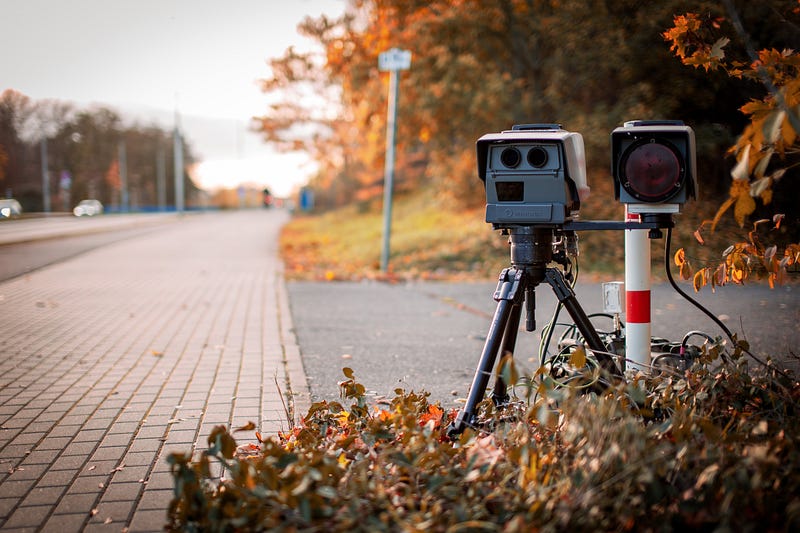
Law enforcement agencies around the world rely on advanced technologies to enforce traffic regulations and ensure road safety. One of the key tools in their arsenal is radar technology, which is extensively used for speed detection. In this article, we will delve into the radars employed by police for monitoring vehicle speeds, exploring the various frequency ranges utilized for this purpose.
Do give a like, comment, and follow if you found this article to be of use.
Radar Technology in Speed Detection:
Radar, an acronym for Radio Detection and Ranging, is a technology that uses radio waves to detect and determine the speed of objects. In the context of law enforcement, police use radar devices to monitor the speed of vehicles on roadways accurately. The primary objective is to identify and deter speeding, thereby reducing the likelihood of accidents and enhancing overall road safety.
Frequency Bands Used by Police Radars:
Police radar devices typically operate in three main frequency bands: X-band, K-band, and Ka-band.
1. X-band: This radar band operates in the frequency range of approximately 10.5 to 10.55 GHz. While it was historically a popular choice for police radar systems, X-band radar has become less common in recent years due to its susceptibility to interference from other sources, including automatic door openers.
2. K-band: K-band radar operates in the frequency range of about 24.05 to 24.25 GHz. It has gained popularity among law enforcement agencies because of its smaller wavelength, allowing for more compact radar units. However, K-band radar is also utilized by various non-law enforcement devices, which can sometimes lead to false readings.
3. Ka-band: The Ka-band radar operates in the frequency range of 33.4 to 36 GHz. It offers a higher level of accuracy in speed measurement and is less prone to interference. Ka-band radar systems are widely used by police for speed enforcement due to their improved performance.
These radar bands are chosen based on a balance between accuracy, range, and susceptibility to interference. Law enforcement agencies often deploy a mix of radar bands to enhance their capabilities and overcome potential limitations associated with specific frequency ranges.
Accuracy and Limitations:
While police radar technology is generally effective in speed detection, there are some limitations to consider. Factors such as weather conditions, the presence of obstacles, and radar detector usage by drivers can impact the accuracy of speed readings. Additionally, modern radar devices often incorporate advanced features like instant-on technology and signal processing to improve accuracy and reduce the likelihood of detection by radar detectors.
GADGET TO SURVIVE FROM THE TRAFFIC POLICE
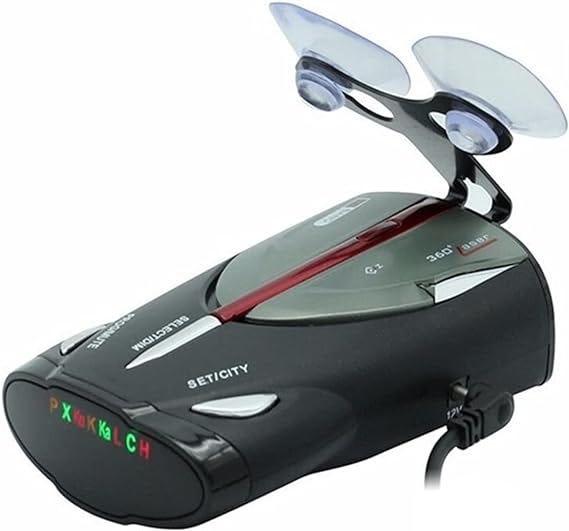
So, this device is a radar detector capable of detecting all the frequency bands from a far distance. They help idiots to save themselves from he police but trust me, overspeeding is not a good thing.
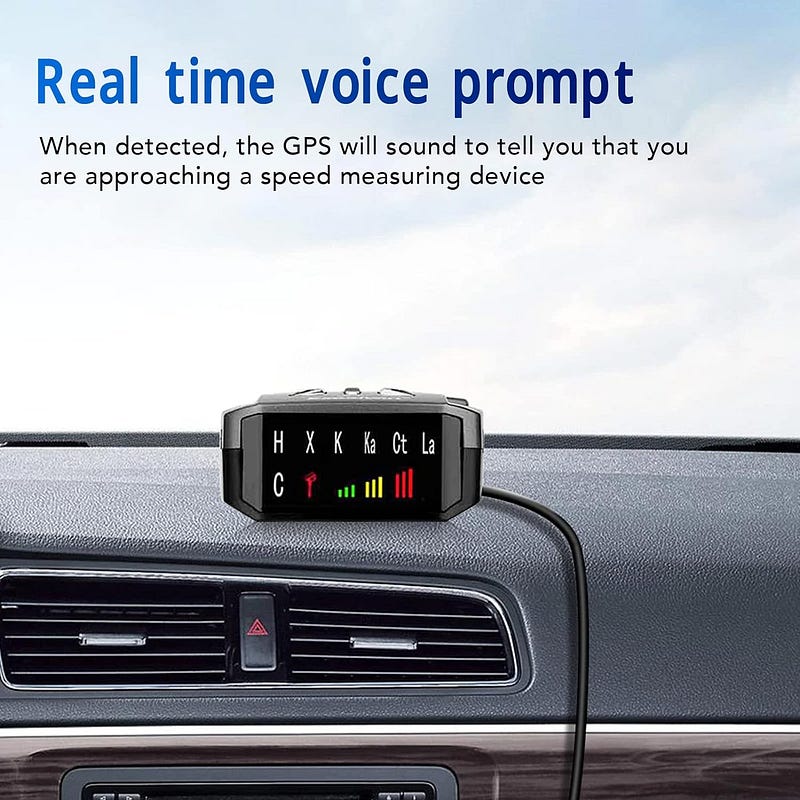
Secondly, this device is really cool, the fact that it can detect almost all RF frequencies of the above bands used by the police, is phenomenal.
Lastly, if you want to buy this radar detector you can buy it without a problem on Amazon. It's quite cheap too.
Thanks For reading.