
The Pandemic Turns Incarceration Into a Death Sentence
As usual, making money is more important than people’s lives
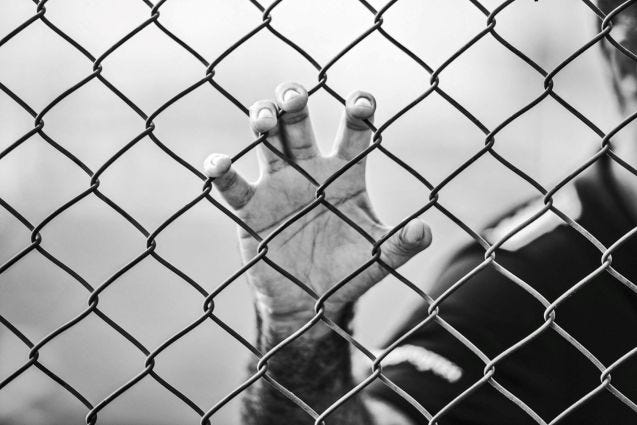
Far too often, to be charged with a crime is to become something less than human.
Jerome F. Buting, Attorney, Author and Speaker
The Coronavirus has finally brought attention to how important it is for the U.S. to dramatically lower the number of people we lock up. For too long, we have defaulted to incarceration as the answer to everything, especially for people of color.
Our country takes such pride in individuals’ freedom yet is quickest to take it away. Now add to that practice the element of COVID-19. The only way to avoid catching and spreading it right now is by physically distancing from others. Because prisoners don’t have a choice to distance, we’re making it more likely that they will die.
This fact is the same whether prisoners are in jails, prisons, or ICE facilities. We can’t turn our eyes away and act like we don’t see these people. Like they don’t matter. They are brothers, sisters, fathers, mothers, and friends. Many were once victims of crimes themselves.
A good portion of the population in local jails are locked up for minor, nonviolent crimes and drug offenses. Others are locked up for half of their lives for something they did as a juvenile. Or immigrants whose only crime was in wanting to live in a better, safer place for their families.
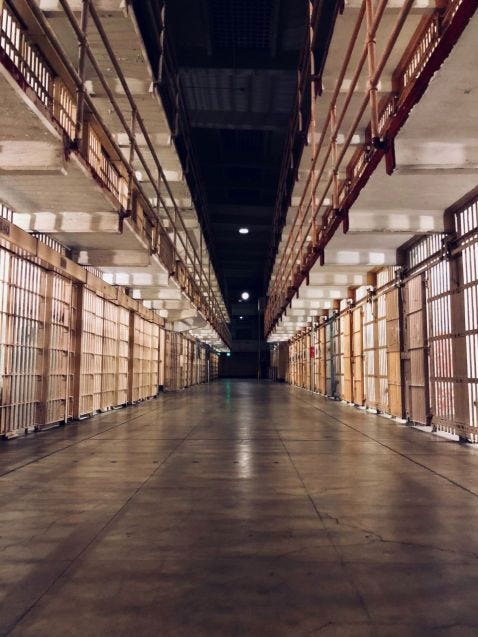
Where has our empathy gone? Many people currently locked up haven’t even been found guilty yet. Others, as shown by the Innocence Project, have been locked up for decades for crimes they didn’t commit. Do we now think it’s ok that they are at higher risk of dying as well?
According to the ACLU, the U.S. has only 5% of the world’s population but 25% of the world’s prison population. Our deep reliance on incarceration has proven ineffective over and over. Many politicians and policymakers are aware that the system is deeply flawed. In the past decade, states have incorporated specialty courts and the use of community programs to keep individuals from being locked up. And the programs have proven to save taxpayer dollars by lowering incarceration numbers. But now, with the perfect storm of Coronavirus and people living literally on top of each other (note the picture), we must do more.
The Color of Incarceration
We also can’t deny that people of color have been locked up for many of the same crimes that white people have not. A Sentencing Project report found that African Americans are incarcerated in state prisons at more than five times that of whites.
And we know about cases like that of Sandra Bland’s in Texas. She committed suicide after being locked up for three days for not using a turn signal when a police officer decided to pull her over. Or how cocaine was often not harshly charged because it was a drug of choice for white people. Yet crack, more commonly used by people of color, led to sentences that were more often enforced and for longer sentences.
Presumed Innocent
One of the most sacred principles in the American criminal justice system, holding that a defendant is innocent until proven guilty. In other words, the prosecution must prove, beyond a reasonable doubt, each essential element of the crime charged. Nolo.com
In the U.S., we often hear the phrase “innocent until proven guilty.” The press is careful to refer to those arrested as “accused.” As well the crime itself is what was “allegedly” committed. In reality, the amount of people that we lock up doesn’t demonstrate that we believe this principle. Those that haven’t had contact with the police don’t realize how easy it is to be locked up in this country.
And many people that can’t afford bail are imprisoned for months or years before being given a trial. Sandra Bland was not only in jail for a flimsy charge, but she was also still there because she hadn’t been able to post $5,000 in bond money yet.
Wealthier people can be let out in under 24 hours if they’re locked up at all. Sadly, once they do get to trial, they’re also more likely to be found “not guilty” simply because they can afford a better lawyer.
Follow the Money
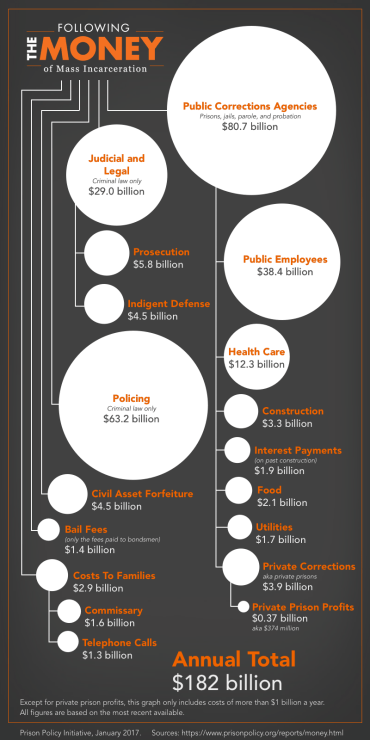
Why is it so hard to break free from our reliance on incarceration if it costs so much and is so inhumane? Because we’re addicted to the money and jobs that the criminal justice system generates. From the profits of building prisons, running them, to jobs in law enforcement, law firms, and courts. And for all those in the bail bonds industry. Most of these groups have lobbyists making sure that the systems are not undercut any farther.
But there is good policy on this subject, and now is the time to utilize that policy to release even more people and increase their chances of surviving the pandemic. Being locked up shouldn’t be a death sentence, and only by raising our voices can we ensure it won’t be.
What else can you do?
Learn more, follow and support organizations that are leading this fight:
Colorofchange.org
For more reading on the inequality in the U.S. justice system read-