
The Pandemic On African American Mental Health
The epidemic of racism has caused a pandemic to our mental health
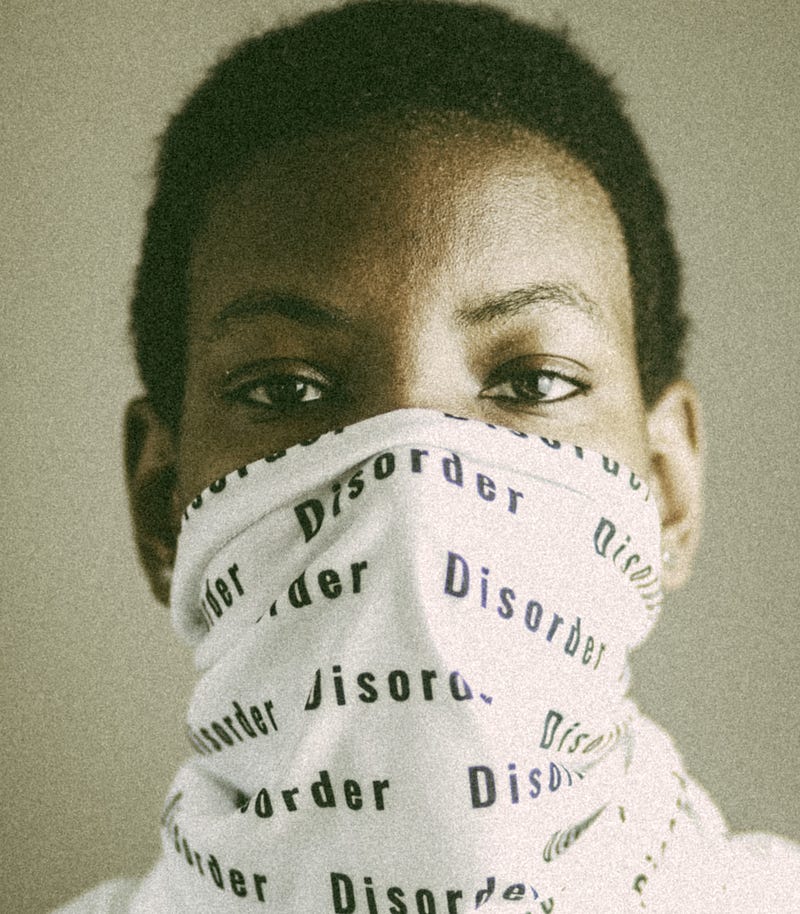
As we approach the month of May, Mental Health Awareness Month, I couldn’t help but think of the many tragedies African Americans have endured that have tampered with our mental health. Many of our catastrophies live on repeat.
Covid has cost countless jobs, cars, homes, relationships, marriages, children, physical and mental health. Covid has customized our living arrangements in ways we disapprove of but have no other choice but to accept. With that said, covid has a vaccination, a two-part vaccination. With this vaccination, many Americans will begin to make an entrance in reconstructing their lives after all the ruination the pandemic has cost them.
While I have no intentions to sound audacious, I, too, have no problem admitting that African Americans live out a pandemic every single day. The epidemic of police brutality is killing black lives way faster than the pandemic. I feel no need to fear catching covid when I have a better chance of catching bullets first.
These same injustices that persist through slavery still stand firm today. You may think it’s a mere shadow that barely exists, but your thoughts are further from the truth. Racial oppression is prevalent through the justice system, employment, public school system, and health care.
Racial discrimination has been a pandemic on our mental health for centuries with little to no alleviation. Let’s dive into the history of how black people were denied proper help care and it exist in today’s world as well.
History on mental health
This history of medical segregation started in the 1800s with hospitals and mental health facilities operating with blacks and whites on separate ends. Through this long history of discrimination, physician’s believed African Americans were biologically inferior. Physician Samuel Cartwright concluded that black Americans were child-like, incapable of looking out for themselves outside of the system, and enslavement was a natural state for African Americans. Cartwright argued that the black brain is way smaller than white people’s brains, and negros should do nothing but serve white people.
Cartwright invented draeptomania derived from the Greek word meaning “runaway slave” and “mania mad or crazy.” Whenever African-Americans tried to flee from bondage to freedom, they were diagnosed with this word. His punishment to blacks was amputation of toes and severe whippings.
Imagine being so full of delusion that your sick-minded system built off of hate fooled you into believing the opinions turned into laws are assumed to be a proper and customary standard of living for those who are not your people?
Hospitals used Cartwrights’ views to treat African American patients less than human by not providing the proper physiatric treatment. Instead, African Americans were a dual system to work areas of the hospital white people deemed below them, such as the kitchen, field, and laundry room.
Though Abraham Lincoln issued the Emancipation Proclamation in 1863, freeing all slaves, Jim Crow laws found a way to ensure slaves were still indeed slaves somehow. Our freedom had mental chains attached to them. Jim Crow laws legalized discrimination in medical care.
During that Era, facilities, staff, entrance, restrooms, dining areas, and admission desks were all segregated to the extent equipment was labeled “white vs. colored.” Statues were upheld to ensure black people were not in close proximity to white people.
- 1915- Alabama law stated, “no person or corporation shall require any white female nurse to perform duties where black men were placed.
- 1917- Mississippi maintained laws where blacks and whites entered the hospital through different entrances.
- A Georgia law established the “Board of Control” to see that black and whites were not housed together.
Present mental health disparities
Mental disorders come with their own set of stigmas, but marginalized groups such as African American’s have a heavier burden to bear with systemic discrimination. Mental illnesses in the black community disparities include:
- Consciously and subconsciously, provider bias and inequality of care.
- The same symptoms diagnosed as a personality disorder in whites are diagnosed as schizophrenia in blacks. Therefore, blacks are being misdiagnosed.
- Less access to well knowledgeable doctors
- Incarceration for being psychologically ill instead of receiving the proper psychiatric treatment
- Lack of diversity amongst physicians leads to an uncomfortable experience with delaying personal information.
How could we challenge these biases?
If we are honest, the wide gap of implicit bias toward black Americans needs to bridge. We can start by diversifying the workplace with colored mental health doctors. Studies have proven most individuals who need mental care do better with someone who looks like them. Far too long African Americans have been demonized, and many do not feel comfortable opening up to white doctors; therefore, diversity is a must.
Second, provide outlets and well researched education when informing about racial traumas. There is a lack of organizations that provide mental health care in rural areas. The lack of organization means a lack of representation. With this knowledge federal tax credit should be set in motion for programs such as Behavioral Health Worforce and Training that fund education for mental health professionals.
Releasing the stigmas on mental health can change the dynamics for people of marginalized groups. They can understand that they are not crazy or weak for suffering mentally and it will encourage them to seek help. Lets us all be a resource of help to those who are suffering with mental disorders. The first step is educating ourselves about mental disorders, the bias attached to them, misdiagnoses and how marginalized groups are affected differently.
Resources for those who are suffering with mental health
https://borislhensonfoundation.org
Citations
Agbafe, V., Boles, W. R., & Gee, R. E. (2020, November 20). Bridging The Black Mental Health Access Gap. Retrieved May 3, 2021, from https://www.healthaffairs.org/do/10.1377/hblog20201113.817116/full/
Murray, P. (2017). Mental Health Disparities: African Americans. Retrieved May 05, 2021, from https://www.psychiatry.org/File%20Library/Psychiatrists/Cultural-Competency/Mental-Health-Disparities/Mental-Health-Facts-for-African-Americans.pdf
Hunkele, K. L. (2014). Segregation in United States Healthcare: From Reconstruction to Deluxe Jim Crow.


