
The Pandemic is Changing How We Use Social Media
New trends are emerging…
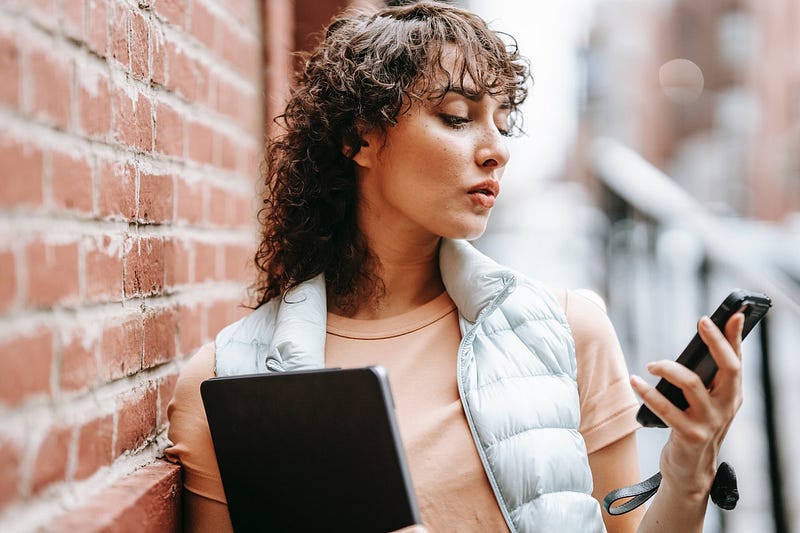
This is the first time the world is experiencing a pandemic during the social media age.
Lockdown orders, quarantine and self-isolation have changed the way things used to be. Engagement on most social media platforms is now higher and more interactive than it formerly was.
These days, people are spending more time on social media.
We are online more than ever. Incessantly working from home, attending online classes, zoom meetings, online shopping and linking up through social media.
This is the new normal.
Online platforms are now “go-to” areas for fun, ease of boredom and loneliness. Many people are relying on social media for daily news and as a forum for interaction and comfort.
With the dynamics changing each day, here’s how the pandemic is changing how we use social media:
1. More People are Discovering Their Creative Skills
As social media trends are changing, more people are realizing their creative skills and using the lockdown to groom their newly discovered talents.
Prior to the lockdown, social media users posted all sorts, but now, these users are drawn to showcasing their creativity by sharing mostly entertaining and educative posts.
The Global Web Index website reports that there is now a major shift towards individuals creating videos, shared messages, skits, instructional posts and inspirational messages by themselves. This trend which has increased significantly in recent times, is unlike it was in the past where content creation was exclusive to popular content creators.
A good example of a platform which has witnessed an overwhelming influx of users is Tik Tok, a viral video sharing app. The site welcomes almost anyone, irrespective of age, knowledge or skills.
Things are moving really fast and it is almost certain that a large percentage of social media users will continue with their newly discovered or acquired skills long after the lockdown is over.
The Crisis has somewhat brought back the “social” aspects of social media- Viktoriya Trifonava
2. Information /Misinformation Sharing

Information on Covid-19 now dominates the news.
The daily statistics and reports on the virus are what people look forward to reading each day.
As we watch the news, we are prone to asking ourselves: Did the numbers rise, did it fall? What new orders or restrictions are being announced?
This wasn’t a growing concern until last year.
There are teeming numbers of online users who are tuning from one online platform/station to the next in a bid to get updates on the spread of the virus.
In times like this, information gotten from social media plays a crucial role in forming people’s perception and decision making choice.
To this extent, The World Health Organization (WHO), had earlier declared an “infodemic”, which means an “outbreak of misinformation causing mass anxiety and uncertainty.”
A large number of online posts/information may not be credible facts.
Reliance on forwarded messages and re-posting unconfirmed texts is causing more harm than we know. In fact, the trend of forwarding unconfirmed WhatsApp message continues to be a menace.
While constant use of social media puts individuals at great risk of being exposed to false news and misinformation, there is an increasing need for media companies to ensure that they take more responsibility in seeing that false news stories do not make way to their social media platforms.
“Social media gives everyone in the world an equal opportunity at getting their message out.” — Alastair Reid
Based on the above, the onus lies on news outlets to ensure that more care is exercised towards filtering topics which are daily posted for public consumption. For instance, Youtube has published restrictions on Covid-19 related content, Quora also has limits on this, WhatsApp has forwarding limits. Twitter is also banning tweets that could cause the further spread of the virus.
These restrictive measures are timely and show the critical role of social media platforms in information sharing.
3. Online Business and Social Media Marketing
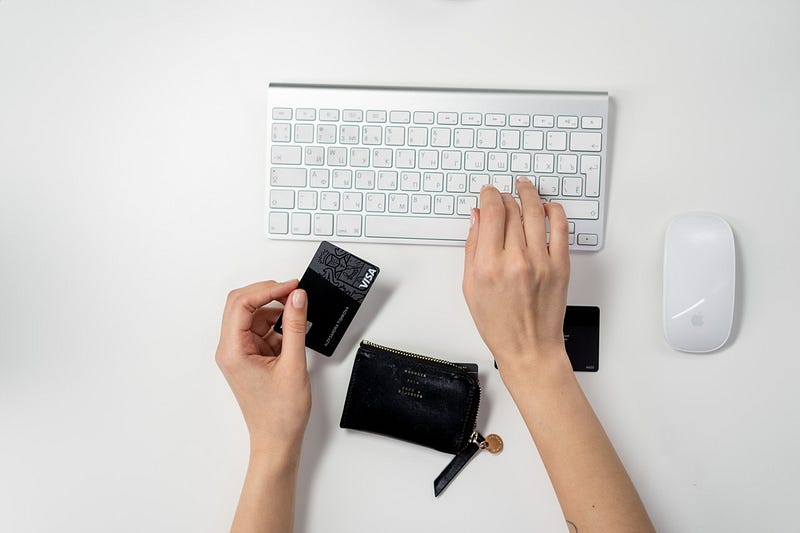
Many business owners may have been forced to stay at home during the pandemic, but this hasn’t stopped them from promoting and doing their businesses online.
The change from physical negotiation to virtual negotiation is now more rampant.
The smallbizdaily website indicates that there has been a significant increase in online buying and door-step delivery.
Recent times show that you are more likely to get customers when you share your business ideas across social media platforms. This is because people are constantly on their phones and laptops shopping for available goods and services.
This is why brands are re-thinking their marketing strategies so as to be readily available to meet each customer’s immediate need.
Many brands are going as far as showing empathy and regularly interacting with customers because they want to drive engagement and boost sales.
SEO techniques have also become well used by businesses that want people to easily find them.
4. Mental Health & Social Media
In times like this, the importance of mental health check cannot be overemphasized.
While social media remains a means of circulating health information and connecting people all over the world, it has induced more panic and anxiety in people who heavily rely on it for information, particularly about the coronavirus.
This tends to have a negative influence on their mental health and psychological well being.
Hearing the news about increasing Covid-19 related deaths has affected more people than can be imagined.
The fact that social media has helped in decreasing feelings of isolation is undeniable. However, the rapid spread of false information through social media doing more harm than good.
New Media also known as social media, is now a sphere where people share their stories, personal experiences, opinions and concerns with members of the public. These stories, some of which are real-life events are causing more panic.
This has pushed many people to adopt various coping mechanism in dealing with the current restrictions; some of which which could yield undesired effects.
In the words of Carl Bergstrom, a Professor of Biological at the University of Washington:
“This is the first time we have had a pandemic where the population is relying heavily on social media for information.”
Final Thoughts
Social Media continues to play a great day role in our lives during this covid-19 era.
While its role in the lives of individuals has somewhat diversified, its position as a center stage for information dissemination remains firm.
Agreed, it is not without its demerits, but it remains a measure of our ability to cope as humans and a true test of how much we can thrive in unforeseen circumstances.