
avatarShayla Renee 💖

Free AI web copilot to create summaries, insights and extended knowledge, download it at here

3648

Abstract

dium&utm_medium=referral">Unsplash</a></figcaption></figure><p id="f2ca" type="7">For those of you who have read my true story, “The Answered Prayer,” and my follow-up poem “Renewed Dreams” you know that I did eventually change my perspective and embrace the gift that my son truly is. I included pictures of my son in those stories.</p><h2 id="ac89">Birth and Death</h2><p id="7033">When people learned that my new baby boy was born with Down Syndrome, they did not know what to say.</p><p id="bc0e">They would either avoid me, or they would awkwardly say something like, “Oh, congratulations. I am so sorry.” As a new mom, what do you say to that?</p><p id="5d4b">It was the strangest feeling. I was adjusting to a birth and a death all at the same time.</p><p id="c008">It was the birth of “my son with Down Syndrome” and the death of “my imagined son of my dreams with the normal life.”</p><h2 id="1324">RIP Dream Baby</h2><figure id="5769"><img src="https://cdn-images-1.readmedium.com/v2/resize:fit:800/0*ShOQz68mbsNduv3O"><figcaption>Photo by <a href="https://unsplash.com/@sandym10?utm_source=medium&amp;utm_medium=referral">Sandy Millar</a> on <a href="https://unsplash.com?utm_source=medium&amp;utm_medium=referral">Unsplash</a></figcaption></figure><h2 id="44e5">Statistics</h2><p id="e2ca">When doing current research for this article, I discovered my knowledge regarding statistics and disabilities was narrow.</p><p id="fd8b">I had spent 35 years focused on Down Syndrome only because that is what affected me and my family.</p><p id="f03c">However, a shocking statistic reported by the <a href="https://www.cdc.gov/ncbddd/birthdefects/data.html"><b>CDC</b></a> states:</p><blockquote id="b039"><p>Birth defects affect one in every 33 babies (about 3% of all babies) born in the United States each year.</p></blockquote><p id="488a">I had no idea. That is a lot of babies with many different disabilities. When reading further, I learned there are three <a href="https://www.cdc.gov/ncbddd/birthdefects/data.html"><b>Chromosomal Birth Defects</b></a><b>.</b></p><p id="a26c" type="7">Down syndrome remains the most common chromosomal condition diagnosed in the United States. Each year, about 6,000 babies born in the United States have Down syndrome. This means that Down syndrome occurs in about 1 in every 700 babies.</p><figure id="9108"><img src="https://cdn-images-1.readmedium.com/v2/resize:fit:800/0*_6IVbA53aMWHxG2H"><figcaption>Photo by <a href="https://unsplash.com/@cdc?utm_source=medium&amp;utm_medium=referral">CDC</a> on <a href="https://unsplash.com?utm_source=medium&amp;utm_medium=referral">Unsplash</a></figcaption></figure><h2 id="8a20">Health Difficulties</h2><p id="2b1d">My son was sick quite often. I spent many days per month (if not per week) at the pediatrics office.</p><p id="c14b">Throughout his childhood, he had ten sets of ear tubes placed to lessen his ear infections and to help him with his hearing.</p><p id="193d">He had his tonsils and adenoids removed to help him breathe. He had tubes surgically threaded through his tear ducts so they would work correctly.</p><p id="b4a5">My son was hospitalized numerous times for asthma. I drove him to the emergency room in the middle of the night because he couldn’t breathe more times than I can remember.</p><p id="1efa">It was a terrifying roller coaster ride of emotions.</p><figure id="1ad2"><img src="https://cdn-images-1.readmedium.com/v2/resize:fit:800/1*[email protected]"><figcaption>A Photo of me feeding my son a bottle during one of his hospitalizations. Photo owned by author.</figcaption></figure><h2 id="bdd4">The Pediatr

Options

ician’s Office</h2><p id="f9cb">Every time, before I walked through the sliding glass doors going into his doctor's office, I had to give myself a pep talk.</p><p id="a89d">I knew all the other mommies and daddies there with their sick children would either stare at my son or avoid looking at him. That was crushing.</p><p id="28c4">It was difficult for me to sit there and watch the “normal” “regular” toddlers running around, knowing that my son was different.</p><p id="8473">I could see the parents sideways glances, and I would hear their whispers. I knew they felt uncomfortable.</p><figure id="679a"><img src="https://cdn-images-1.readmedium.com/v2/resize:fit:800/0*5htbTo9Q2vWRqOjG"><figcaption>Photo by <a href="https://unsplash.com/@unfold_memory?utm_source=medium&amp;utm_medium=referral">Unfold Memory</a> on <a href="https://unsplash.com?utm_source=medium&amp;utm_medium=referral">Unsplash</a></figcaption></figure><h2 id="6306">Awkward Silence</h2><p id="8938">They didn’t know what to say. It was like the pink elephant in the room. To break the awkward silence, I would say, <i>“This is my son; he was born with Down Syndrome.”</i></p><p id="f89e">The relief on their faces was evident. This glaring fact was now out in the open like it had been a secret.</p><p id="55a7">I was always aware that people watched me interact with my son. I modeled unconditional love, acceptance, patience, and humor.</p><p id="f635">I would hold my head high and think, <i>“Shayla, they’re going to take their cue from you. If you treat him normal, they’ll treat him normal.”</i></p><p id="590e">As he grew up, I, of course, realized he was 100% normal. He just happened to also have Down Syndrome.</p><figure id="b9bb"><img src="https://cdn-images-1.readmedium.com/v2/resize:fit:800/0*pRIKNIlZ6sjrmbSW"><figcaption>Photo by Jametlene Reskp on <a href="https://unsplash.com?utm_source=medium&amp;utm_medium=referral">Unsplash</a></figcaption></figure><h2 id="7454">Over Time</h2><p id="bca4">I was still dumbfounded I was the one out of 1000. But it didn’t take me long to realize I was much more blessed than those other 999.</p><p id="145c">We all have crosses to bear in this world. Many children are born without a disability yet grow up and have trouble with drugs and alcohol. Or they struggle with mental health issues.</p><p id="7f06">So, I hope I don’t sound like I’m feeling sorry for myself, because I’m not. I know I am blessed to be my son’s mama.</p><p id="92cb">In fact, his sisters are blessed, his nieces are blessed, his grandparents are blessed. He is loved deeply by his family.</p><p id="4ac6">The world is a better place because he and others like him are in it. They are our teachers. They model for us pure joy and unconditional love.</p><p id="6a97">Those are lessons that are beneficial to all.</p><figure id="e536"><img src="https://cdn-images-1.readmedium.com/v2/resize:fit:800/1*[email protected]"><figcaption>Me and my son taken at his high school graduation. He earned a Certificate of Completion. Photo owned by author.</figcaption></figure><p id="3fda">If you resonate with my story and would like to join me on my recovery journey, please <a href="https://medium.com/@shaylarenee/subscribe"><b>SUBSCRIBE</b></a> and <b>FOLLOW</b>.</p><p id="0cc2">I would be honored to join you on your journey as well.</p><p id="657b">If you feel so inclined, <i>please read my article for at least 30 seconds</i> so that the system acknowledges you.</p><p id="adf2">I would also love to read your comments and greatly appreciate your 👏 claps (1–50 depending on how my writing resonates with you).</p></article></body>

Photo by Hu Chen on Unsplash

STATISTICS

The Other 999

When YOU are the statistic.

If you are a non-member, you can read this post for free via my Friend Link.

Statistics are a part of life. Dictonary.com defines them as:

The science that deals with the collection, classification, analysis, and interpretation of numerical facts or data...

When my son was born with Down Syndrome in the late 1980s, I was 27 years old. I was shocked to find out that he had Down Syndrome because I thought that only happened when the mom was older. I was wrong.

I learned that at my age, in the United States, the statistic at that time indicated one in 1000 births would result in a child born with Down Syndrome.

That little nugget of information haunted me for years.

The risk increases with the mother’s age (1 in 1250 for a 25-year-old mother to 1 in 1000 at age 31, 1 in 400 at age 35, and about 1 in 100 at age 40).

I understood the purpose of statistics. Nonetheless, “those things” would not happen to me. Those facts are for other people.

I was comfortable with that belief until I had a reality check.

Photo by Chris Vanhove on Unsplash

I was that one mom.

The 999 other moms did not have a baby with Down Syndrome. How is that fair? Who made that decision? Why was I “the chosen one in 1000”?

I know this sounds terrible, but I was angry at every mom I looked at after my son was born. I knew they were part of the 999, but I was not. Their babies were not disabled.

A close friend gave birth to a son about three months after me. Of course, her son was fine, and I was very happy for her. I was also reeling in pain.

Even though we were about the same age, and we both had two daughters before our son, she escaped. Was it because she was a stronger Christian than I was. Perhaps it was because her marriage was more secure.

I just knew I was “targeted” because I did something wrong, and all of the other 999 did not.

I believed God was punishing me. I worried my son was paying the price for my mistakes.

Photo by Kaysha on Unsplash

For those of you who have read my true story, “The Answered Prayer,” and my follow-up poem “Renewed Dreams” you know that I did eventually change my perspective and embrace the gift that my son truly is. I included pictures of my son in those stories.

Birth and Death

When people learned that my new baby boy was born with Down Syndrome, they did not know what to say.

They would either avoid me, or they would awkwardly say something like, “Oh, congratulations. I am so sorry.” As a new mom, what do you say to that?

It was the strangest feeling. I was adjusting to a birth and a death all at the same time.

It was the birth of “my son with Down Syndrome” and the death of “my imagined son of my dreams with the normal life.”

RIP Dream Baby
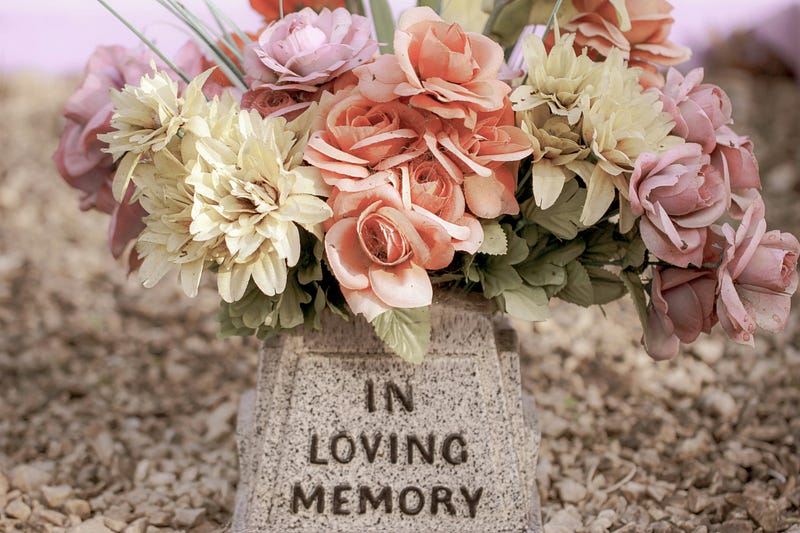
Photo by Sandy Millar on Unsplash

Statistics

When doing current research for this article, I discovered my knowledge regarding statistics and disabilities was narrow.

I had spent 35 years focused on Down Syndrome only because that is what affected me and my family.

However, a shocking statistic reported by the CDC states:

Birth defects affect one in every 33 babies (about 3% of all babies) born in the United States each year.

I had no idea. That is a lot of babies with many different disabilities. When reading further, I learned there are three Chromosomal Birth Defects.

Down syndrome remains the most common chromosomal condition diagnosed in the United States. Each year, about 6,000 babies born in the United States have Down syndrome. This means that Down syndrome occurs in about 1 in every 700 babies.
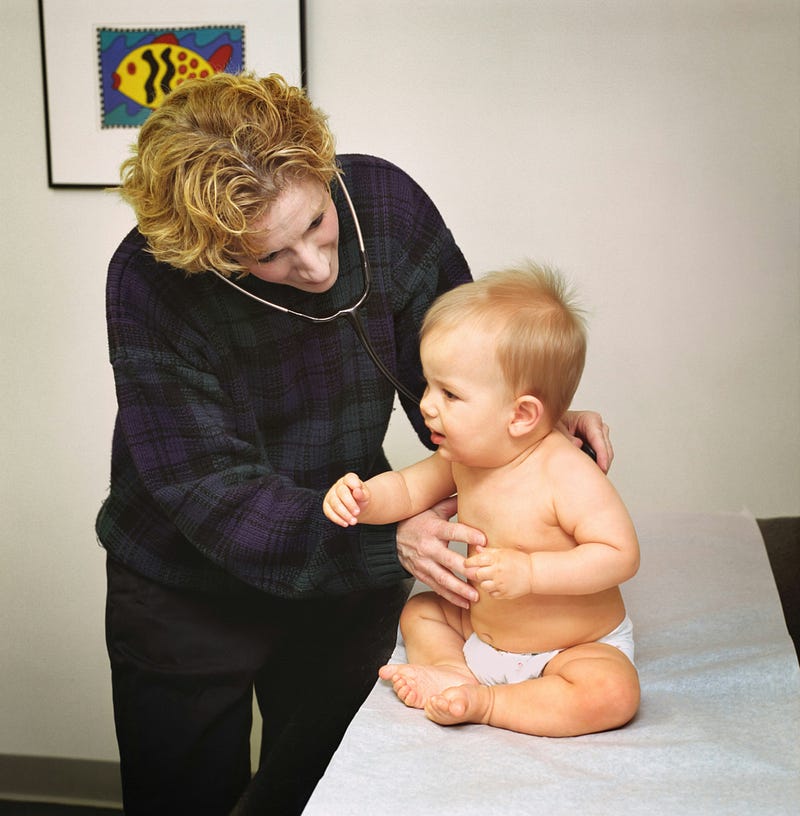
Photo by CDC on Unsplash

Health Difficulties

My son was sick quite often. I spent many days per month (if not per week) at the pediatrics office.

Throughout his childhood, he had ten sets of ear tubes placed to lessen his ear infections and to help him with his hearing.

He had his tonsils and adenoids removed to help him breathe. He had tubes surgically threaded through his tear ducts so they would work correctly.

My son was hospitalized numerous times for asthma. I drove him to the emergency room in the middle of the night because he couldn’t breathe more times than I can remember.

It was a terrifying roller coaster ride of emotions.
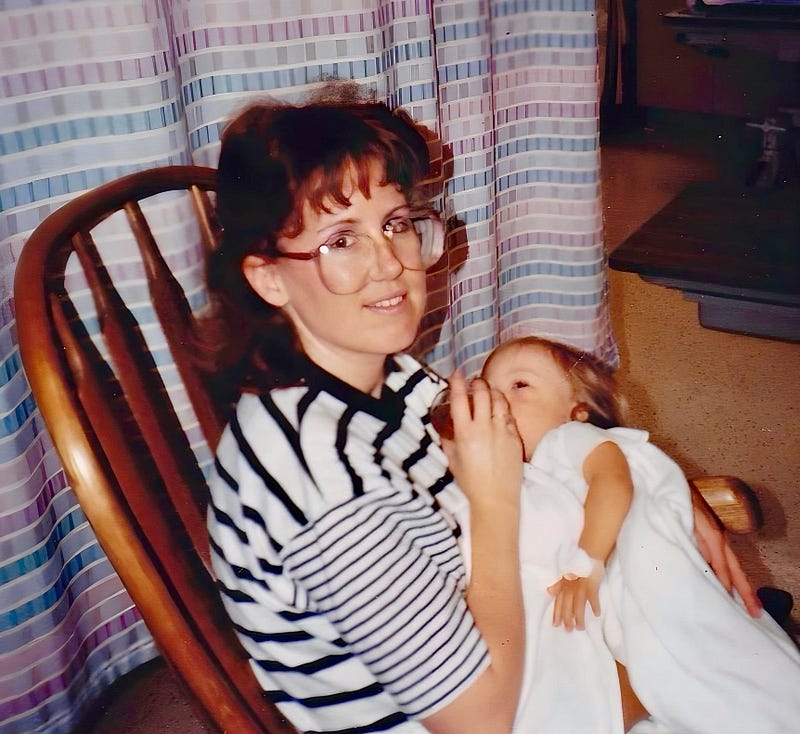
A Photo of me feeding my son a bottle during one of his hospitalizations. Photo owned by author.

The Pediatrician’s Office

Every time, before I walked through the sliding glass doors going into his doctor's office, I had to give myself a pep talk.

I knew all the other mommies and daddies there with their sick children would either stare at my son or avoid looking at him. That was crushing.

It was difficult for me to sit there and watch the “normal” “regular” toddlers running around, knowing that my son was different.

I could see the parents sideways glances, and I would hear their whispers. I knew they felt uncomfortable.

Photo by Unfold Memory on Unsplash

Awkward Silence

They didn’t know what to say. It was like the pink elephant in the room. To break the awkward silence, I would say, “This is my son; he was born with Down Syndrome.”

The relief on their faces was evident. This glaring fact was now out in the open like it had been a secret.

I was always aware that people watched me interact with my son. I modeled unconditional love, acceptance, patience, and humor.

I would hold my head high and think, “Shayla, they’re going to take their cue from you. If you treat him normal, they’ll treat him normal.”

As he grew up, I, of course, realized he was 100% normal. He just happened to also have Down Syndrome.

Photo by Jametlene Reskp on Unsplash

Over Time

I was still dumbfounded I was the one out of 1000. But it didn’t take me long to realize I was much more blessed than those other 999.

We all have crosses to bear in this world. Many children are born without a disability yet grow up and have trouble with drugs and alcohol. Or they struggle with mental health issues.

So, I hope I don’t sound like I’m feeling sorry for myself, because I’m not. I know I am blessed to be my son’s mama.

In fact, his sisters are blessed, his nieces are blessed, his grandparents are blessed. He is loved deeply by his family.

The world is a better place because he and others like him are in it. They are our teachers. They model for us pure joy and unconditional love.

Those are lessons that are beneficial to all.
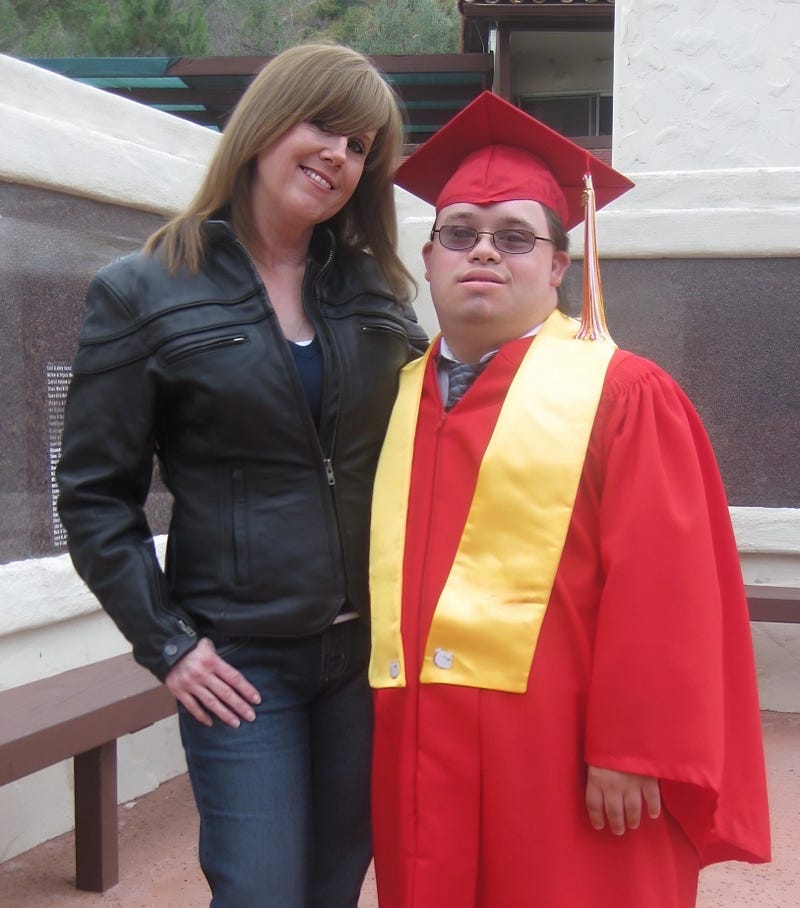
Me and my son taken at his high school graduation. He earned a Certificate of Completion. Photo owned by author.

If you resonate with my story and would like to join me on my recovery journey, please SUBSCRIBE and FOLLOW.

I would be honored to join you on your journey as well.

If you feel so inclined, please read my article for at least 30 seconds so that the system acknowledges you.

I would also love to read your comments and greatly appreciate your 👏 claps (1–50 depending on how my writing resonates with you).

Down Syndrome
Motherhood
Caregivers
Statistics
Illumination
Recommended from ReadMedium