
The Only Book on Nutrition You Will Ever Have to Read
A principled approach to getting and staying lean forever
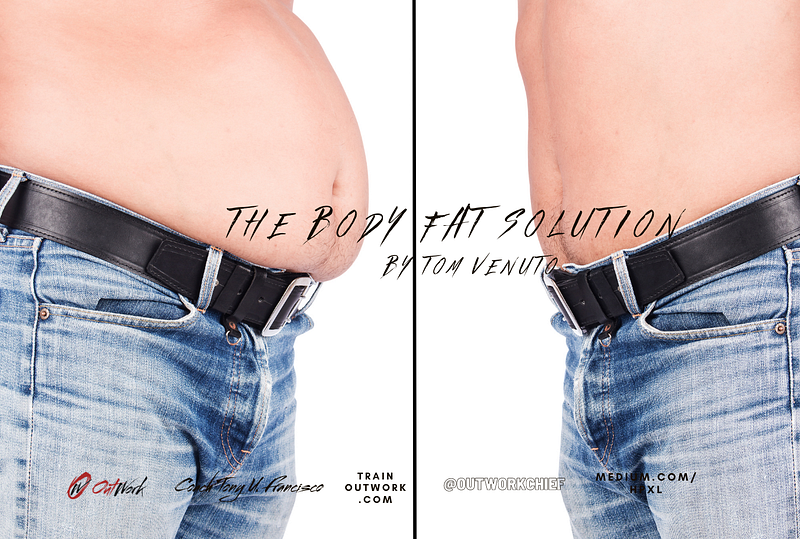
The only book on nutrition that anyone will have ever read is The Body Fat Solution by Tom Venuto. In the book, Tom provides five principles for burning fat, building lean muscle, ending emotional eating, and maintaining a perfect weight that works for you.
The book is not filled with the nutritional dogma that permeates the space. It is simple, sound, and effective advice on how to eat and, most importantly, how to counter the negative emotions that usually come with any type of dietary restriction.
Here’s the thing: almost everyone has tried to alter their body composition in some way. For most people, that means that they have gone on some sort of diet in an attempt to lose weight and body fat and get leaner.
Through this process, most of us failed to achieve long-term success. Many of us have achieved short-term success because that kind of success is easy to obtain at least once in your lifetime.
Here’s another thing: losing weight once time in your life actually hurts your overall perception of what it takes to achieve long-term success. This is because we associate weight loss with the process we used “that one time.”
This process was usually one of the mainstream fad diets: low carb, low fat, paleo, keto, Atkins, extreme caloric restriction, or even more faddish, intermittent fasting, GMAD (Gallon of Milk a Day), Warrior Diet, etc.

The point is that you may achieve some results in losing weight, like I have, using a short-term strategy and end up associating that strategy with “the way.” This process begins the cycle of “yoyoing,” where we gain and lose weight on and off for years or even decades, defaulting to the next “strategy” when “normal” eating starts to lead us astray.
Man, I’ve been there. Over and over again. I have the before and afters to prove it. I have memories of motivational bursts fueled by the next 60-day transformation challenge, only to falter at a moment’s notice (insert any type of celebration or lapse in judgment).
I look back at all those moments and wish I had discovered Tom’s life-changing book when it was first published in 2009. Even better, I wish I had access to a coach like Tom a decade prior when I first began my weight loss journey as a 60 lb. overweight high school sophomore.
The book is that powerful, so I call it the only nutrition book you will ever have to read. It doesn’t preach a particular way of eating, it just talks about the principles of nutrition and body composition. The “how” is predominantly up to you, and if you follow the parameters, success is all but guaranteed.
Body Fat Myths
We are all victims of various body fat myths that have either been passed down to us by our parents or something we observed and adopted as gospel. Here are a few of the most prevalent and perversive that I have also observed in my fitness & nutrition coaching practice:
Excess Calories Don’t Matter
This myth comes from low carbers, paleo, and keto dieters. The premise is that by eating in a certain way (eliminating carbs), we can eat more food because we will naturally eat less. This message usually gets twisted to state that we can eat as much as we want and still lose weight. Not only is this flat-out false, it leads to damaging eating habits that do a lot of harm.
Some People Have Slow Metabolisms
I used to strongly believe that this was me. I was naturally fatter than others, so my metabolism was obviously “slower.” This myth has been proven false many times over in controlled studies. The issue of caloric burning is not as clear-cut because some people tend to move more/eat less, and the balance of the two is always behind the weight gain when you truly delve into the details.
Some People Are Diet-Resistant
Many people truly believe that no diet will ever work for them. Unfortunately, these may also be the people that believe the key to losing weight is eating MORE. Yes, some people don’t believe they eat enough to lose weight. Additionally, some people think they are too old, have bad genetics, medical problems, glandular problems, or are simply too busy ever to lose weight.
“I often joke around and say, “You have a glandular problem all right, your mouth gland is malfunctioning several times a day and you’re eating too much.” — Tom Venuto
Some People Have Bad Genetics
Dr. Bouchard of the Human Genomics Laboratory states clearly: “The obesity epidemic that we are facing today has developed only over the past fifty years and can’t be explained by changes in our genome.”
Simply put, it’s not genetics. It’s environment and excuses. Your familial lineage may appear to suggest a genetic component, but most likely, it's the habits, attitudes, beliefs, and traditions (and recipes) that have been passed down from generation to generation that are to blame.
Dietary Fat/Carbs Make You Fat
At the peak of the low-fat movement, it seemed as if all food packaging had low-fat/no fat on it. The same for the low-carb movement, which is still alive today via the paleo and keto diets. As the trends play out, the obesity epidemic continues to trend upward; people are still getting heavier, and food groups are still being demonized. Eating a certain food group won’t make you fat. Eating too many overall calories, whether that be from delicious fatty foods like bacon or carb-heavy foods like bread, or a combination of both like bacon cheeseburgers. Yes, those foods are easy to overeat, and that’s what makes them bad. Not the dietary fat or carbs themselves.
Proven Nutritional Strategies
Learning about the various bodyfat myths is among the most powerful lessons that Venuto shares. The next is the sound nutritional strategies that can make an impact on anyone, in any circumstance, and with practically any outcome goal.
Change Your Attitude
The absolutely most powerful thing you can do is change your attitude regarding nutrition. Let go of all the myths and dogma and focus on making small, positive changes daily. Instead of looking to lose 20 lbs. in 60 days, try to lose 20 lbs. in six months, and you’ll be far better off in six months. Instead of a full diet rehaul, start with being more mindful about what you eat and practice nutrition skills to build confidence.
“One of my greatest discoveries is that successful people share similar attitudes and beliefs, and that these thought patterns can be learned and duplicated. That’s an exciting prospect. It means that if you learn to think like a lean person, you’ll increase your chances of becoming one.” — Tom Venuto
Reframe With Words
According to Tom, healthy and successful people have their own vocabulary. They don’t see problems, they see challenges. They enjoy feedback as a signal to get better. Results are not permanent, they are simply another opportunity to keep doing what’s working or change what’s not. If you think of a diet as restrictive and deprivation, you’ll never become the type of person that is lean.
You’ll always be a person that is avoiding negative outcomes by indulging in whatever you want. To shift your mindset into more abundance, change “I can’t” into “How can I?” Use powerful words as affirmations to stay on track in pursuit of becoming a lean person, who eats healthy most of the time and enjoys using their body to do amazing things.
Build Self-Awareness
You have to learn about how and why you eat. Most people today don’t just eat because of hunger. There is a host of reasons people eat nowadays, such as boredom, habit, celebrations, stress, sadness, holidays, parties, overwhelm, weather, and a myriad of other events (simply commuting to work every day may add additional calories). Becoming aware of when and why you eat will help you manage those excess calories and plan ahead to make better choices.
Eat High/Low
Tom states that the key to optimizing fat loss is to eat a high nutrient-density diet that is lowest in calories. Highly nutrient-dense foods also tend to provide the highest satiety value, which means they will keep you satisfied and full longer. Processed foods such as fast food tend to be very high in calories but provide a low satiety value, meaning you will become hungry again sooner.
In this regard, the type of food you eat matters a lot. They will help you control your overall caloric intake without a superhuman amount of willpower. Choose to eat lean proteins, plenty of vegetables, some fruit and nuts, other healthy fats, and some starch. You’ll also want to track your calories for some time, a key skill that I highlight in my 28-Day Nutrition Skills Challenge.
If you want to get a copy of Tom’s excellent book, you can find it on Amazon using this link. This story contains affiliate links which means I get a portion of what you pay at no extra cost to you.