
The Only 7 Exercises You’ll Ever Need
Don’t Make it Complicated- Make it Functional
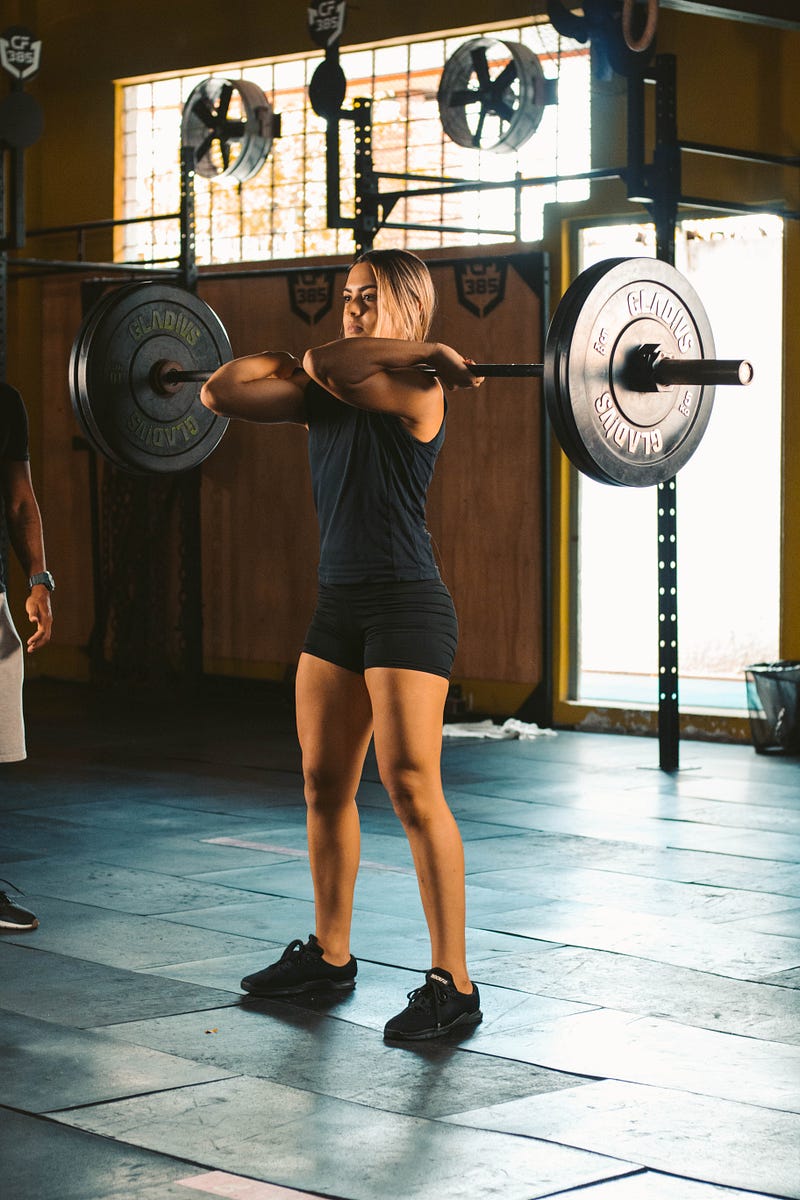
Exercise is becoming more complicated than it needs to be. It seems like every week there’s a new exercise trend deemed “the best for building muscle” or “guaranteed to lose X amount of fat in X amount of days.” Some of these trends are very useful; group classes such as orangetheory can actually be an enjoyable way to work out. Some of them, however, are not very useful (I’m looking at you, crossfit).
With so many different niche gyms, content creators, fitness influencers, and fitness trends, it can be a little overwhelming trying to decide which is best. Especially for someone new to fitness. Trying to decide between peloton classes, pure barre, planet fitness, your friend’s cousin’s online zoom workout at home program, and Thor’s super hardcore iron muscle paradise, can be more confusing than calculus.
I hope to make this as simple as possible, because exercise truly doesn’t need to be complicated. Exercise can be completed in a simple gym setting, or at home with equipment or items you can find around your house. A balanced exercise program is centered around resistance training and cardiovascular training. Exercise is meant to make us healthier and improve our quality of life.
Keeping all of those variables in mind, I’ve simplified it all down to seven fundamental exercise movements. Whether you’re a beginner, or an experienced gym-goer, these seven movements are the foundation to a well-rounded exercise program. By incorporating these seven movements into your exercise routine, you will not only simplify the chaos of the modern fitness world, you’ll make your body healthier, stronger, and more functional in day-to-day life.
For each of the seven exercises, I will discuss:
- The functionality of the exercise (how it carries over into day-to-day life)
- The major and supplementary muscles targeted by the exercise
- Different ways to perform the exercise
- Squat
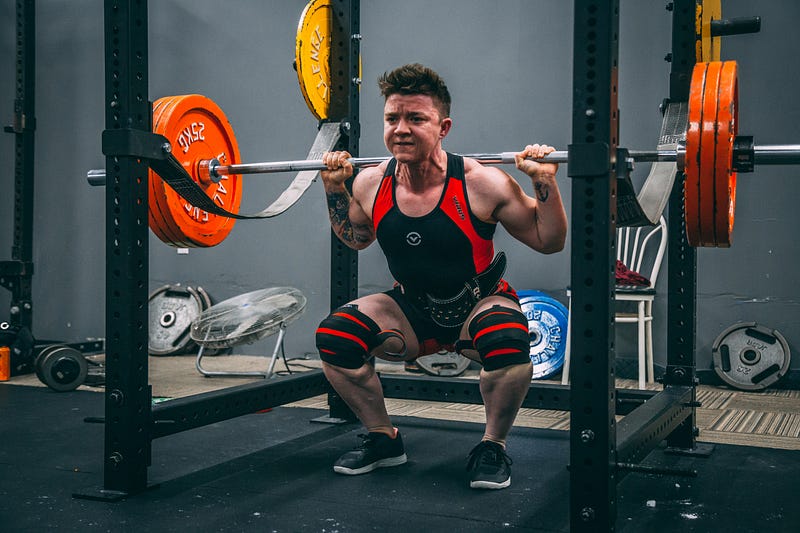
Functionality: The squat is hands-down the most functional exercise for anybody and everybody regardless of our level of exercise experience. The squat improves our ability to stand up or sit down from a chair or some other seating surface- something everybody does day in and day out (unless they’re bedbound). Squatting also strengthens our legs and our core to improve our ability to go up/down stairs, jump, and lift from the floor.
Muscles Targeted: The primary muscles the squat targets are the quads, glutes, and hamstrings. The accessory muscles the squat targets are the calves, abdominals, foot intrinsics, and lower back muscles.
Ways to Perform: Squats can be performed with just bodyweight. The simplest way to perform a squat (and the way I teach beginners) is to stand up and sit down from a chair. Squats may be performed with a weight in the hands, a barbell on the shoulders, or with bands placed on the floor and held up by the arms. Advanced performers can perform squats with one leg. The squat is a very versatile exercise, but the foundational movement remains the same, and should be a staple of everybody’s routine, so long as they are physically able to perform the movement.
2. Hinge
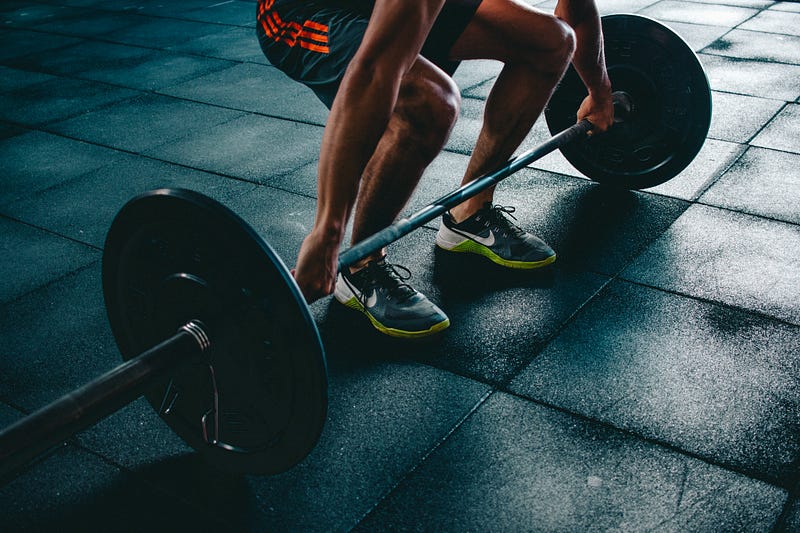
Functionality: The hinge movement is both efficient and protective. You should hinge at your hips the way a door spins on its hinge. When you bend forward at your hips to reach for something on the floor, or to put on your pants and shoes, you’re preventing your back from rounding and putting extra pressure on your lower back. Hingeing protects our lower back every time we lift something heavy from a lower surface, reach down to pet a dog, or do chores around the house.
Muscles Targeted: The hinge targets the entirety of our posterior chain- aka, the muscles on the back of our bodies. The glutes, hamstrings, calves, lower back muscles, and back extensor muscles are all primary movers of the hinge movement. They work to control our spine as we lower ourselves down, and actively assist to bring us back up. The accessory muscles of the hinge movement are the abdominals, lats, quads, feet, and traps.
Ways to Perform: The primary hinge movement seen in the gym is the deadlift exercise. This can be performed with a barbell, dumbbells or kettlebells, cables, or anything that can be picked up from the floor. There are many variations of the deadlift that target different muscles more than other variations, but the concept remains the same- hinge at the hips, pick something up, and put it back down. Other variations of hinge movements include kettlebell swings, good mornings, pull throughs, cleans, hip thrusts, and squats (again!)
3. Push
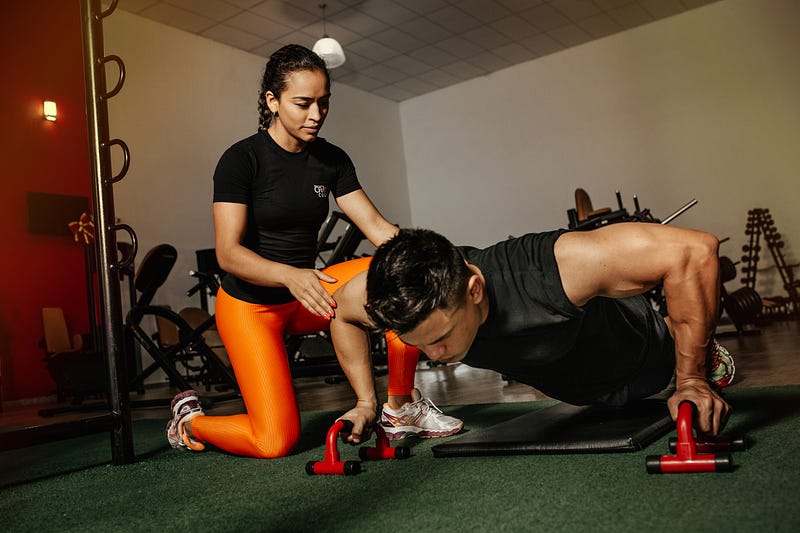
Functionality: Push movements carry over into many day-to-day activities, for athletes and non-athletes. Athletic movements such as throwing a ball or pushing someone out of the way come to mind. Day-to-day movements such as opening doors, moving furniture, getting out of bed, and punching in martial arts or self-defense are all improved by performing push movements.
Muscles Targeted: Push movements often target the pectorals (chest muscles) and shoulders primarily. The rotator cuff muscles, shoulder blade stabilizer muscles, traps, biceps, triceps, and abdominals all aide in performing push movements.
Ways to Perform: The big push movement most commonly performed in the gym setting is the bench press, either with a bar or with dumbbells. Other exercises such as shoulder presses, flyes, sled pushes, and jerks are all common movements in the gym setting that improve our capacity to push. There is also the much dreaded pushup (arguably the best upper body exercise in my opinion). Boxing and hitting a punching bag are also ways to incorporate push movements that can improve our power and help relieve stress!
4. Pull
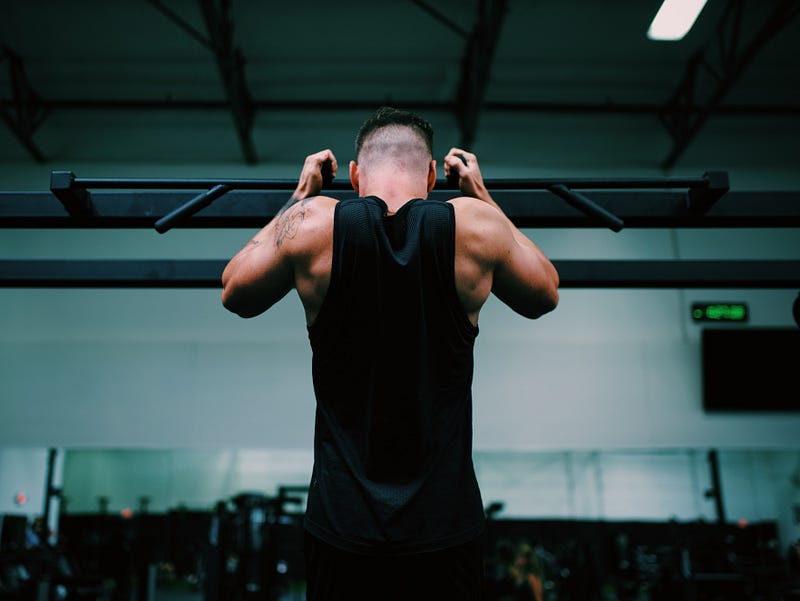
Functionality: We use our upper body to pull as often, if not more, than we use it to push. From pulling our pants up, to pulling something (or someone) off the ground, to pulling open a door. While not directly related to pulling movements themselves, pulling exercises also target the same muscles that function in posture control. By keeping our back and shoulder muscles strong and functional, we keep a good posture when sitting at a desk, reading a book, and standing upright, preventing pain in our shoulders and neck. Of all the upper body exercises, the pull is arguably the most beneficial when it comes to upper body strength, and carryover into daily life.
Muscles Targeted: The prime moving muscles involved in pulling motions include the lats, rhomboids, traps, biceps, and back extensor muscles. The rhomboids and traps are the upper back muscles, while the lats are the broad muscles that often give us our “width” in our upper body- originating from our spine and fanning out across our back to connect to our shoulder. The accessory pull muscles include our rotator cuff muscles, neck muscles, and abdominals.
Ways to Perform: The classic pull-up is the most common form of pull exercise in the gym for those that can do them. Modifications can be made, such as machine-assist, or assist from a band or another person. Rows are probably the other most common method of pulling. Rows are versatile and can be performed with a barbell, free weight, cable, or machine. Rows can be performed horizontally, vertically, or inverted, and can be performed with one or two hands at a time. Other forms of pulling exercises include curls, rowing machines, shrugs, and deadlifts.
5. Lunge
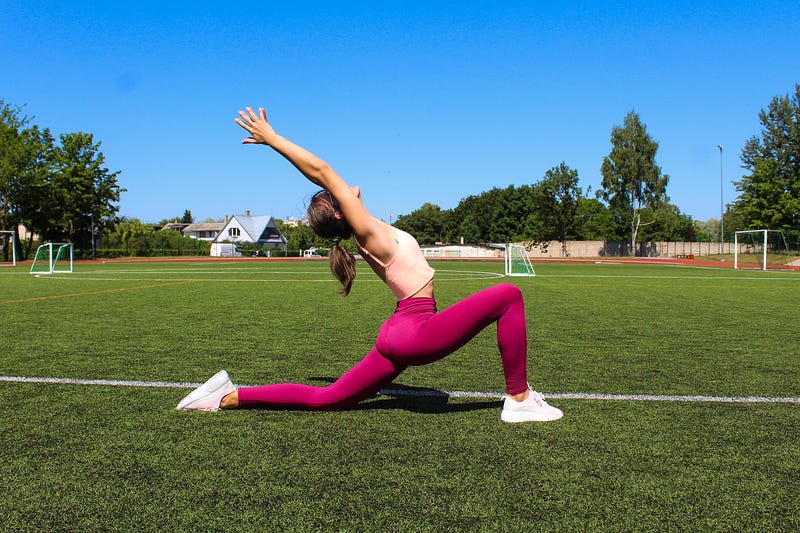
Functionality: The lunge is arguably the most challenging of the seven exercises on this list; however, it’s also arguably the most effective of them all for lower body and core strength. When we lunge down to pick something up off the ground, pet a dog/cat, or tie our shoes, we rely on the strength in our legs. Lunging is also essential for activities such as going up/down stairs. Lunges are also the best exercise on this list when it comes to balance, core strength, and posture control. The stability required to balance mostly on one leg, remain upright, and stretch our often tight hips and ankles makes this exercise a well-rounded, total-body exercise.
Muscles Targeted: Depending on the variation of the lunge, the major muscles targeted are the quads, glutes, hamstrings, inner/outer thighs, calves, and abdominal muscles. These muscles are also the primary accessory muscles, again dependent on the variation of the lunge being performed.
Ways to Perform: The forward lunge puts most of the workload on the quads and calves, with the glutes and hamstrings acting as accessory muscles. The reverse lunge works in the opposite manner- putting less load on the knee and more on the hip. Lateral lunges target the inner and outer thigh musculature a bit more. Other variations of lunging includes split squats and step-ups. Lunges can be performed stationary or walking, with or without a twist, in one, two, or all three planes of motion.
6. Carry

Functionality: The often-forgotten carry is a functional movement that challenges every muscle in the body. Carries in the gym can translate to carrying groceries, carrying a suitcase, carrying a pet, or carrying a child (or an adult, if needed). Every time we hold something in our hands and move, from the size of a cell phone to the size of a human, we are carrying. Carries are also a great way to challenge core strength, posture, and balance. By holding something in one hand, we’re challenging the other side of our body to keep us upright, balanced, and symmetrical.
Muscles Targeted: With unilateral carries, the muscles on the side carrying the object being worked are the shoulder girdle muscles, biceps, triceps, hand and grip muscles, obliques, and lateral hip/ankle musculature. On the opposite side, the obliques, abdominals, glutes, and ankle stabilizers work to maintain our upright posture and keep us upright. Our leg and trunk musculature is involved in walking and being worked regardless of the side being challenged. With bilateral (two-handed) carries, the weight is transferred to the front of our body. As a result, the muscles in the front of our body are working to carry the weight and advance us forward, while the muscles on the back of our body are working to keep us upright.
Ways to Perform: Carries may be performed unilaterally or bilaterally. Unilateral carries include suitcase carries and overhead carries. Bilateral carries include box or weighted carries, as well as sled drags, which put more emphasis on the legs. Carries may be performed at slower speeds to target strength, or faster speeds to target speed/power. Carries may be performed with unequal weight distribution on each side to further challenge our balance and posture control.
7. Walk
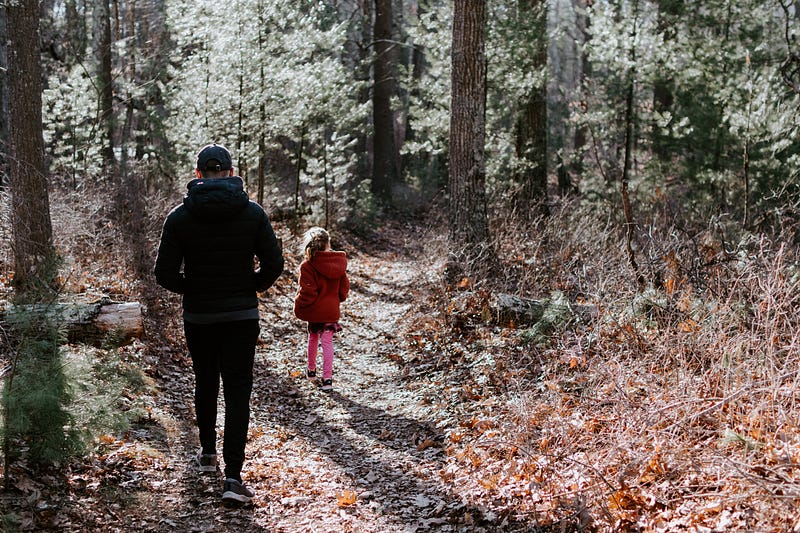
Functionality: Cardiovascular exercise can be performed in numerous different ways; however, walking is the one form of exercise that (nearly) all of us do on a day-to-day basis. Changing speeds, changing surfaces, changing inclines, are all things we can do to make walking more or less intense, and improve how we walk up hills, up/down stairs, on uneven terrain, and in different environments. Walking is also the best exercise for our general health- every system in the body benefits from walking.
Muscles Targeted: The quads, hamstrings, calves, ankle musculature, glutes, abdominals, and postural muscles are all responsible for walking (every skeletal muscle in our body helps us walk). Our cardiac (heart) muscle is also challenged and strengthened every time we go for a walk.
Ways to Perform: Treadmills, ellipticals, hills, parks, tracks, sidewalks: the possibilities for walking are endless. Get off the couch and go for a walk!
Regardless of where or how you exercise, these are the seven foundational movements of any well-rounded exercise program. All of these movements can (and should) be modified based on your needs, experience level, and willingness to be challenged. With that said, these seven exercises are the best ways to structure your exercise program, move your best, and improve your functionality in your day-to-day life.
When you’re ready, there are a few ways I can help you structure your workouts using these seven foundational movements:
Follow me on Instagram here for exercise demos, free exercise routines, and additional ideas and inspiration.
Apply for Online Coaching, or a 1-on-1 Consultation here.
Expect a new post from me on Medium every Monday and Friday. I want to help you all move better, feel better, and live a healthier life. Thank you all for taking the time for reading, I hope you can learn a thing or two from my work.