
The One Thing On Founders’ Minds & How it Could Reshape the Entire Start-up Ecosystem in 2024 (and beyond)

2024 is a very different world from what it was at the start of the decade. Aka Jan ’20. Before COVID, wars and high interest rates. But hey, here we are.
Interest rates are the highest they’ve been in 23yrs and don’t tell me that all will be well.
We’re nowhere finished with Q1 and so many companies have already begun those brutal layoffs.
But here’s why embracing the barbell strategy will give you the best shot at wealth + peace of mind. Just remember there’s a person behind every statistic.
And with interest rates still this high (yes, the Fed hasn’t cut anything yet) its impact on the start-up ecosystem is starting to show.
This special ecosystem functions best when you have free-flowing capital. But capital in excess is not always a good thing.
Being flush with cash is great but it doesn’t mean you’re sitting on a unicorn waiting to be born
Low rates = less scrutiny + more capital
Ultra-low interest rates meant that start-ups didn’t face such an uphill battle when it came to raising cash. Investors were practically begging “TAKE MY MONEY!!”.
Rates were glued to the ground which meant that the opportunity cost of investing in a start-up (super-duper risky) versus, say, an established public company (a lot less risky) was much smaller.
Now, start-ups are riskier than they’ve ever been because of the macro scene. And they’re having the toughest time — but here’s how you can back the best.
Rates are high (so cash is now actual competition) and uncertainty is as high as it’s been in a really really long time.
None of this is healthy for these tiny companies wanting to grow.
Since they guzzle cash like no tomorrow and they have a bad track record. More than 90% will fail and 10% do so within 2yrs.
I happened to be the unlucky investor of this company that went bust within 2yrs but it taught me some lessons so perhaps that makes it money well spent. (spoiler: it was not).
High-interest rates saw hotter-than-ever competition among start-ups because investors are scrutinising them more than ever before.
During COVID, when the money taps got turned on, it wasn’t hard to raise capital. Not if you were anything tech-related. You were almost guaranteed to raise your capital (and then some).
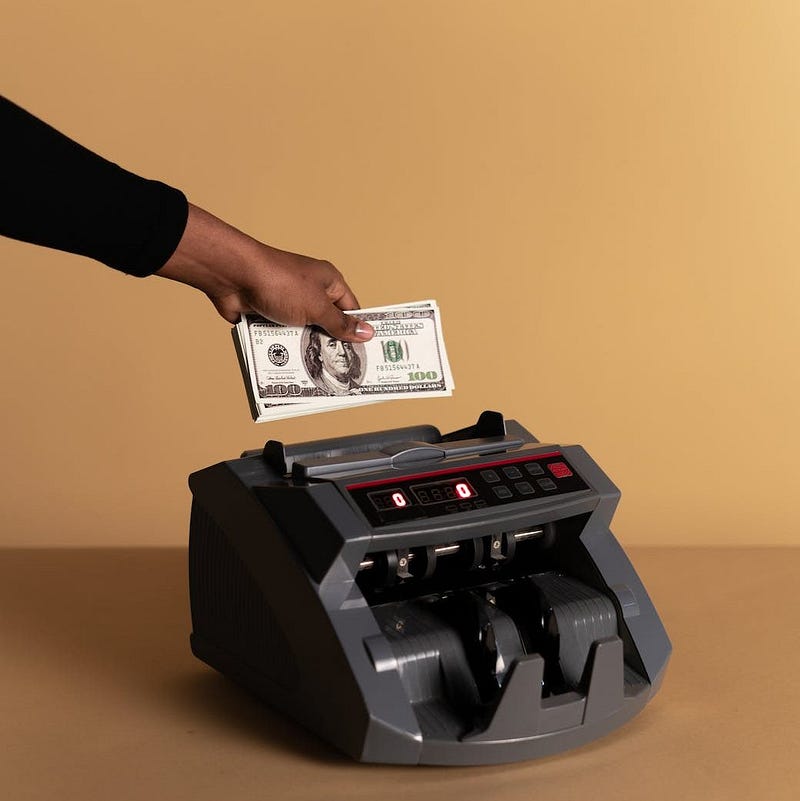
Investors are dialing up the scrutiny
Everyone wanted a piece of you. But now, high rates make it way less attractive. Investors are getting pickier about the sorts of companies they want to be backing. I’ve seen this first-hand.
A start-up I invested in back in 2020 was using AI to reshape farming and in Q3 of 2023 they struggled to secure an additional round of funding.
They almost thought they would go under (they did, just 6 months later lol) but they managed to secure some last-minute funding.
It was all hanging by a thread. But rewind the clock about 2 years or so and they had interest from household names in the agricultural space as well as tech investors.
They won many awards in the space and had a lot of attention. Now that’s all in the past (along with my money!).
But VCs know the risk. And most start-ups do not make it. That is the harsh reality of it. Though the handful that survive — and thrive — will make up for the other rotten apples!
The big question on founders’ minds (and all of ours too!)
So naturally the question of what the heck will happen with interest rates and when is top of mind for any founder out there!
There’s so much uncertainty hanging in the balance from geopolitics to macro rumbles, it feels like founders are having to juggle 20 pineapples on their heads, acting cool in front of investors.
Founders need to think about the world they’re entering. Not the one today (or even the one of the past).
Interest rates take a long time to work their way through the economy.
Like a teen trying to weave their way through a frat party. You’re bound to bump some heads in the process and it’s not a quick in-and-out.
And you almost always end up lingering more than you had planned.
Founders have to think how all this is gonna impact their biz. How do they think consumers will react? Will their spending habits evolve?
How “sticky” is their product/service? Will there be opportunities to tap into new consumers or should they be focused on serving their core customer base?
They need to make sure they plan and bake in all sorts of macro trends into the equation! If you want your start-up to survive you have to think about things no one else is.
You have to picture those unknowns. Risks can be the best thing ever or they can tear you down
Some of the best businesses were founded during macro chaos
Isn’t it ironic how the very best times to start your biz were when there was macro chaos on a different level? Think the dotcom bust, ’08.
From Amazon to Microsoft, these exceptional once-in-a-generation companies were built during periods of uncertainty and total mess.
Investors (like their founders) who were able to be patient and hold on, were rewarded.
And then some.
Its stock price is up 190,000% since its IPO.

Founders will need to understand that rates could remain higher than we want (even though everyone and their aunt still thinks the Fed will cut rates 6X) and how the political scene could create further dislocations.
2024 will be the biggest election year in history. From the US to Taiwan. However, I wonder whether the lowest point for VC is over and if things will start to get a little easier.
Capital raising is probably front-and-center for start-ups. The best bet is to raise as little equity as you can (valuations are still in the gutter) and plan for a larger round later on in 2024.
However, not every biz can afford that. Some might need $$$ right away.
And securing that will be tough. But don’t over-raise.
Obviously, don’t keep your start-up cash in one bank (well, that can’t be SVB), and make sure your biz is positioned for 2025. Not 2024. Think ahead and look ahead.
Be conservative when you don’t need to
Most founders who start a biz are not conservative characters! They want to make sure their cash (99.9999% is probs, not theirs) is working hard.
And I mean hard. From product & marketing to sales & distribution.
They wanna get their name out there and make their investors some money. They aren’t worried about what will happen next year.
They’re trying to stay alive and make it through the year since they know the odds usually are stacked against them.
Gates’ magic
But Bill Gates was unusual. At the same time as being insanely risk-taking, he was also conservative.
He always made sure to keep a year’s worth of salary in cash should their biz generate $0 in revenue.
This meant that Microsoft survived the dot-com bust when others weren’t as lucky. Btw, Gates did not start Microsoft with a loan from his parents.
Both he and Paul Allen saved from contract work and together they seeded their biz. That later grew to $3 trillion! I wonder what his younger self would’ve thought!
That’s probably where his conservatism came from since he didn’t exactly get handouts from their rich dads! He knew he had to succeed.
There really was no other option. So, he operated his start-up with this mindset. With failure not being a choice.
Right now, surviving is start-up #1 option so they can be in a better position (or a position at all!) later on this year and further ahead when those grey clouds move along.
Because start-up success is good for everyone.
The health of this beautiful ecosystem needs to remain intact.
So keep building! And never give up.
Disclaimer: This blog is not investment or financial advice. It is my opinion only. This blog is not a personal recommendation to buy/sell any security or to adopt any such investment strategy. Always do your own research before you commit to any investment.
This article has also been published on my personal website: https://kneadyourdough.uk/


