avatarDenise Shelton

Free AI web copilot to create summaries, insights and extended knowledge, download it at here

3806

Abstract

be okay. The hearing test, I decided, would only be a formality. When I got in the isolation booth; however, my cheerful little bubble of denial burst.</p><p id="a826">I was asked to repeat some words that came through the headphones and then raise my hand whenever I heard a series of beeps. Most of the words I could hear, although I wasn’t always sure I repeated them correctly. When we did the beeps, there were several places where the pauses between beeps were uncomfortably long. I started to hyperventilate, just a little.</p><p id="c804">When the test was over, the technician showed me the results. My ability to hear lower tones is close to normal, but higher frequencies present a problem. This explains why I have no trouble understanding what my husband with the baritone voice is saying, but women’s voices, in particular, are more challenging.</p><p id="31ae">When I spoke to the doctor about the results, he told me that my hearing loss was significant. I was stunned. He set me up for an educational session where I’d learn about the various options for correcting my hearing. I’ll be going to that in a few weeks.</p><h1 id="81bc">Facing Facts</h1><figure id="71d8"><img src="https://cdn-images-1.readmedium.com/v2/resize:fit:800/1*JGzAg5VdSzJ7_wZLMXi72w.jpeg"><figcaption>(Source: wikimedia.org)</figcaption></figure><p id="c892">I didn’t take it well.</p><p id="082c">I went home, got drunk, and cried a lot.</p><p id="ea8d">I remembered the ugly, low-tech boxes that hung around hard-of-hearing people’s necks in my youth. I thought how many jokes I’d heard about older people going deaf. They were made to seem ridiculous.</p><p id="0e1b">I recalled my own frustration having to repeat myself to my grandmother and then my father as he got older. I didn’t want to be that person, the old fossil people had to learn to put up with.</p><p id="645f">But I also knew that putting off doing something about it wasn’t the answer.</p><p id="de05">Here are some statistics from the <a href="https://www.nidcd.nih.gov/health/statistics/quick-statistics-hearing">National Institute on Deafness and Other Communication Disorders</a>:</p><ul><li>Age is the strongest predictor of hearing loss among adults aged 20–69, with the greatest hearing loss in the 60 to 69 age group.</li><li>Men are almost twice as likely as women to have hearing loss among adults aged 20–69.</li><li><b>Nearly 25 percent of those aged 65 to 74 and</b> <b>50 percent of those 75 and older have disabling hearing loss</b>.</li><li>About 28.8 million U.S. adults could benefit from using hearing aids.</li></ul><p id="c4ff">And yet…</p><ul><li>Among adults aged 70 and older with hearing loss who could benefit from hearing aids, <b>fewer than one in three</b> (30 percent) has ever used them. Even fewer adults aged 20 to 69 (approximately 16 percent) who could benefit from wearing hearing aids do.</li></ul><h1 id="8fcd">Why Acting Early Is So Important</h1><figure id="e90a"><img src="https://cdn-images-1.readmedium.com/v2/resize:fit:800/0*-pSqnGdWOGS7_TKe"><figcaption>Photo by <a href="https://unsplash.com/@mark0polo?utm_source=medium&amp;utm_medium=referral">Mark Paton</a> on <a href="https://unsplash.com?utm_source=medium&amp;utm_medium=referral">Unsplash</a></figcaption></figure><p id="5324">Nobody much thinks about Medicare until they have to sign up for it. I’m 63, so although I’ve meant to, I’ve yet to do much research into what Medicare benefits I can expect. Luckily, my sister clued me into one significant fact: <b>Medicare does not cover hearing aids.</b> So, if you’re waiting for Medicare to pick up the tab, you’re going to be disappointed.</p><p id="09b2">Currently, I’m on the excellent health insurance plan that’s one of my husband’s job benefits, but shockingly, few medical insurance pla

Options

ns cover hearing aids either, and ours is no exception. We can, however, put money aside in a flexible spending account. That will give me $2,750 in pretax dollars for aids, batteries, and maintenance.</p><blockquote id="995a"><p><b>NOTE: Some federal workers and <a href="https://www.prosthetics.va.gov/psas/Hearing_Aids.asp">veterans</a>, and residents of Arkansas, Connecticut, New Hampshire, and Rhode Island, may be eligible for hearing aid coverage.</b></p></blockquote><p id="6644">According to <a href="https://www.consumerreports.org/cro/hearing-aids/buying-guide/index.htm">Consumer Reports</a>, “Evidence is mounting that untreated hearing loss is a significant national health concern, and studies have linked it with other serious health problems, including depression, a decline in memory and concentration, and perhaps even dementia.”</p><h1 id="7328">Points To Ponder</h1><figure id="2416"><img src="https://cdn-images-1.readmedium.com/v2/resize:fit:800/0*z3YYiGB32Gza3MvL"><figcaption>Photo by <a href="https://unsplash.com/@mark0polo?utm_source=medium&amp;utm_medium=referral">Mark Paton</a> on <a href="https://unsplash.com?utm_source=medium&amp;utm_medium=referral">Unsplash</a></figcaption></figure><ul><li>Most people with hearing loss require two hearing aids, one for each ear. Unfortunately, these can cost thousands of dollars each. So it’s best to assume you’ll need them at some point and plan that as part of your retirement budget.</li><li>Hearing loss can significantly impact your quality of life. It can also, as in my case, cause issues in social situations.</li><li>Once your hearing is damaged, you can’t repair it, but it can always get worse. So protect yourself by avoiding loud noises. Earplugs or noise-canceling headphones may be required in extreme situations.</li><li>Our five senses are essential to contact and integration with the world around us. Most people wouldn’t think of depriving themselves of the benefits of glasses or contact lenses if they need them. Hearing aids are just as important.</li><li>No matter your age, I advise you to have your hearing tested once you have the slightest hint that something may be wrong. Remember, your financial situation may make it more difficult to afford hearing aids once you’re on a fixed income, so don’t wait.</li><li>President Biden recently signed an executive order aimed at reducing the cost of hearing aids. You can read about it <a href="https://www.medtechdive.com/news/biden-order-takes-aim-at-high-cost-of-hearing-aids-calls-for-otc-sales/603114/">here</a>.</li></ul><p id="7cdd">Once I get my situation sorted out, I’ll report back on my experience adjusting to my new normal. Stay tuned!</p><p id="922c">©2021, Denise Shelton. All rights reserved.</p><p id="cf01">Why not sign up for my <a href="https://deniseshelton.substack.com/p/coming-soon">newsletter</a>? <i>What’s Denise Shelton Writing Now? </i>It’s free and infrequent!</p><p id="3a85">Do you hate being bombarded with ads? Read as much ad-free content as you like by becoming a member of Medium. Details below:</p><div id="8117" class="link-block"> <a href="https://denisesheltonwrites.medium.com/membership"> <div> <div> <h2>Read every story from Denise Shelton (and thousands of other writers on Medium)</h2> <div><h3>As a Medium member, a portion of your membership fee goes to writers you read, and you get full access to every story on…</h3></div> <div><p>denisesheltonwrites.medium.com</p></div> </div> <div> <div style="background-image: url(https://miro.readmedium.com/v2/resize:fit:320/0*A42vfXGQtZLgDJ4C)"></div> </div> </div> </a> </div></article></body>

Health

The One Thing Nobody Plans for When They Get Older

And denial could end up costing more than you think

Photo by Chris Murray on Unsplash

“Denise, you’re rude!”

“What?”

“You’re talking over her.”

“I am?”

“Yes, you’ve been doing it for a while now. How about giving the rest of us a chance to talk?”

I was stunned.

It was humiliating being scolded like a child in front of the other members of the book club, and I felt it was terribly unjust. Due to the pandemic, we had started meeting via Zoom, and I wasn’t yet familiar with how it worked. I attributed my inability to tell when someone else started to talk to a technological issue.

Furious with how this woman attacked me, I quit the club and then forgot all about it.

The Pieces Begin To Fall Into Place
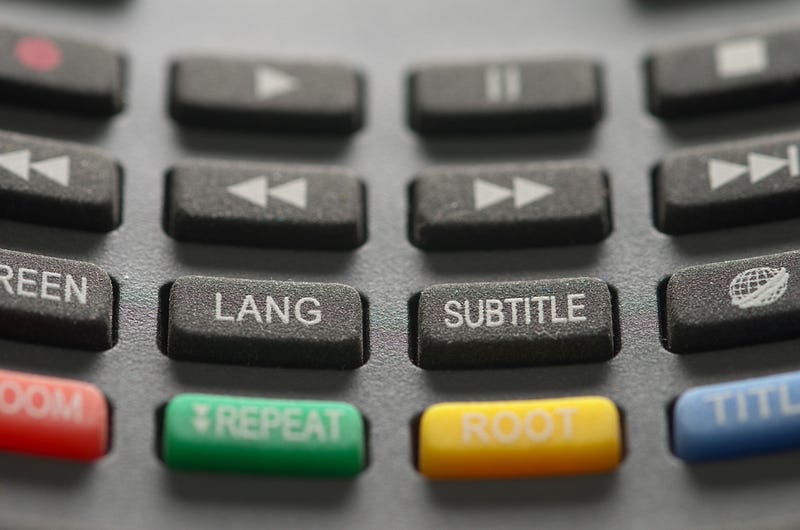
Photo by Immo Wegmann on Unsplash

About a year later, I was rehearsing a play and having a blast. Finally, I’d found people with whom I clicked. I hadn’t made any friends in the four years I’d been living in my new city and was ecstatic about beginning to.

Nobody in this group thought I was rude, so there, book club bitches!

However, I did start to notice something. At the end of each rehearsal, the actors gathered on the stage for notes from the director and discussed certain aspects of the show. It was a lively group, and sometimes two or three conversations were going on at once.

Unfortunately, when this happened, I got lost. I couldn’t pick out what others were saying when more than one person in the room was talking. It was like being in a bar where the music is so loud you can’t hear what someone next to you whispers in your ear.

Another thing I noticed is that when a television show played background music over the dialogue, I couldn’t always make out what was going on. So I began turning on the closed captioning, but I didn’t think much of it even then. I watch a lot of British programs where the accents can be difficult to understand. A lot of people have that problem.

It wasn’t until I spoke to one of my four older sisters that I learned that one of the others has hearing aids. When I asked her about it, her symptoms were almost identical to mine. So I made an appointment with my doctor for a hearing test. In preparation, I used over-the-counter eardrops to clean the wax out of my ears. I thought maybe that’s all it was.

At The Doctor’s Office
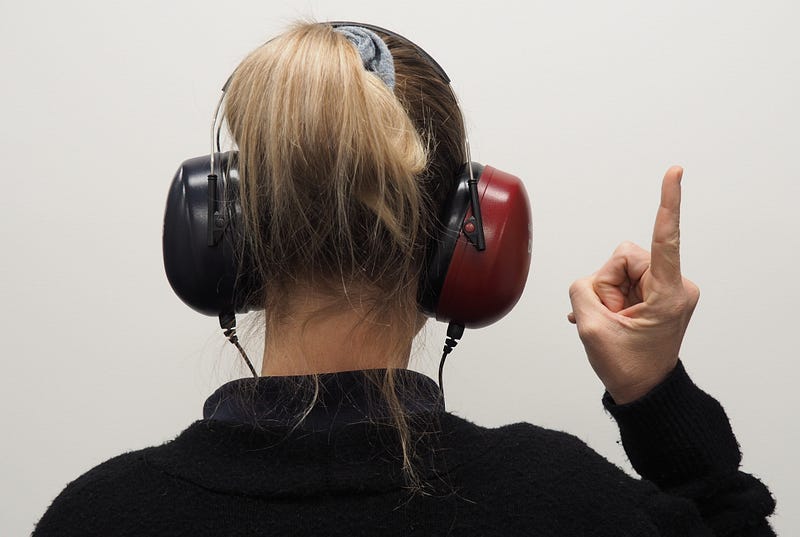
Photo by Mark Paton on Unsplash

When the doctor examined me, he noticed that there was still quite a bit of wax in my ears, and he used a special machine to remove it. Finally, I was beginning to think everything would be okay. The hearing test, I decided, would only be a formality. When I got in the isolation booth; however, my cheerful little bubble of denial burst.

I was asked to repeat some words that came through the headphones and then raise my hand whenever I heard a series of beeps. Most of the words I could hear, although I wasn’t always sure I repeated them correctly. When we did the beeps, there were several places where the pauses between beeps were uncomfortably long. I started to hyperventilate, just a little.

When the test was over, the technician showed me the results. My ability to hear lower tones is close to normal, but higher frequencies present a problem. This explains why I have no trouble understanding what my husband with the baritone voice is saying, but women’s voices, in particular, are more challenging.

When I spoke to the doctor about the results, he told me that my hearing loss was significant. I was stunned. He set me up for an educational session where I’d learn about the various options for correcting my hearing. I’ll be going to that in a few weeks.

Facing Facts
(Source: wikimedia.org)

I didn’t take it well.

I went home, got drunk, and cried a lot.

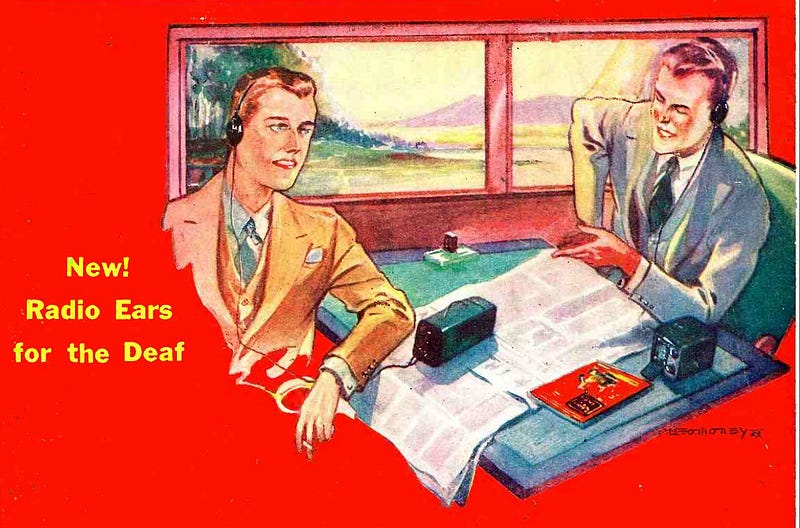
I remembered the ugly, low-tech boxes that hung around hard-of-hearing people’s necks in my youth. I thought how many jokes I’d heard about older people going deaf. They were made to seem ridiculous.

I recalled my own frustration having to repeat myself to my grandmother and then my father as he got older. I didn’t want to be that person, the old fossil people had to learn to put up with.

But I also knew that putting off doing something about it wasn’t the answer.

Here are some statistics from the National Institute on Deafness and Other Communication Disorders:

  • Age is the strongest predictor of hearing loss among adults aged 20–69, with the greatest hearing loss in the 60 to 69 age group.
  • Men are almost twice as likely as women to have hearing loss among adults aged 20–69.
  • Nearly 25 percent of those aged 65 to 74 and 50 percent of those 75 and older have disabling hearing loss.
  • About 28.8 million U.S. adults could benefit from using hearing aids.

And yet…

  • Among adults aged 70 and older with hearing loss who could benefit from hearing aids, fewer than one in three (30 percent) has ever used them. Even fewer adults aged 20 to 69 (approximately 16 percent) who could benefit from wearing hearing aids do.

Why Acting Early Is So Important
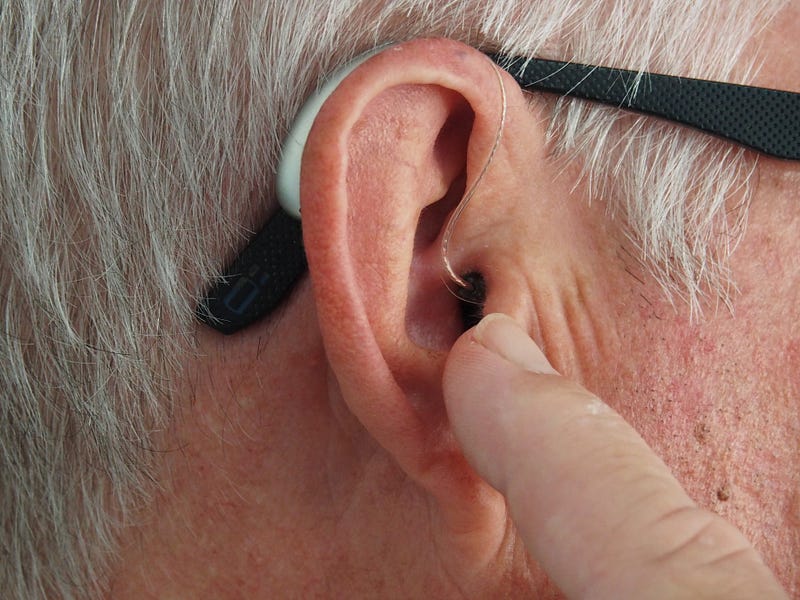
Photo by Mark Paton on Unsplash

Nobody much thinks about Medicare until they have to sign up for it. I’m 63, so although I’ve meant to, I’ve yet to do much research into what Medicare benefits I can expect. Luckily, my sister clued me into one significant fact: Medicare does not cover hearing aids. So, if you’re waiting for Medicare to pick up the tab, you’re going to be disappointed.

Currently, I’m on the excellent health insurance plan that’s one of my husband’s job benefits, but shockingly, few medical insurance plans cover hearing aids either, and ours is no exception. We can, however, put money aside in a flexible spending account. That will give me $2,750 in pretax dollars for aids, batteries, and maintenance.

NOTE: Some federal workers and veterans, and residents of Arkansas, Connecticut, New Hampshire, and Rhode Island, may be eligible for hearing aid coverage.

According to Consumer Reports, “Evidence is mounting that untreated hearing loss is a significant national health concern, and studies have linked it with other serious health problems, including depression, a decline in memory and concentration, and perhaps even dementia.”

Points To Ponder
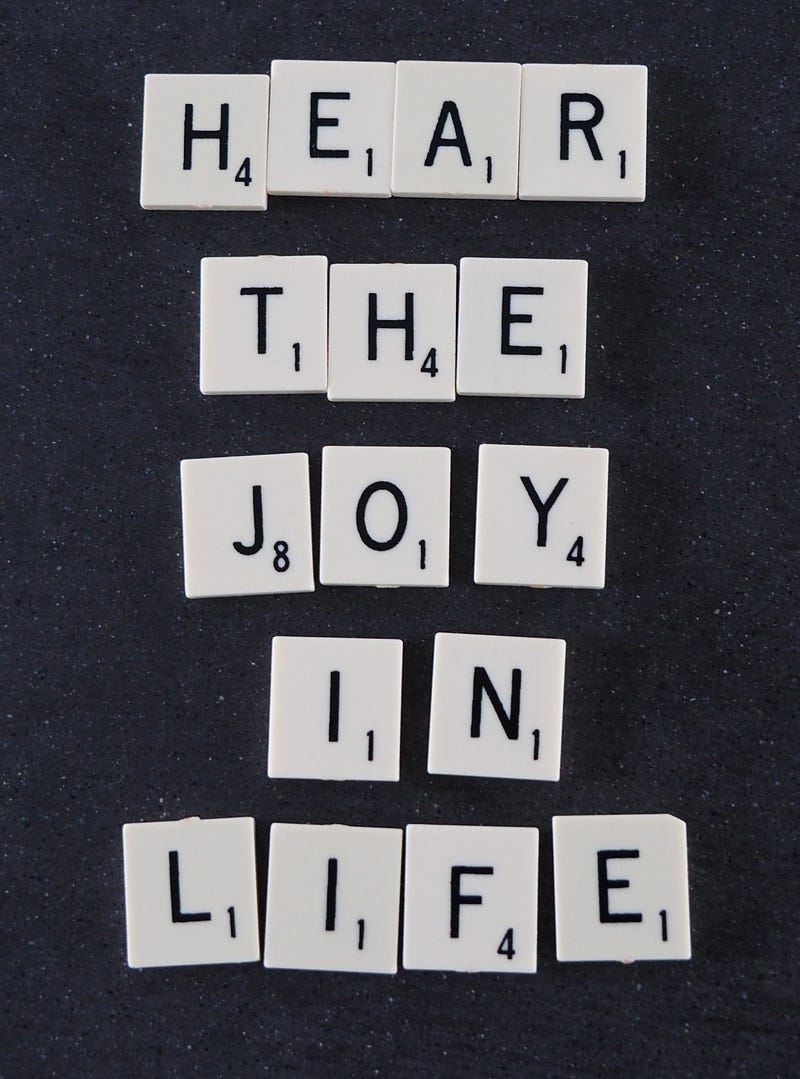
Photo by Mark Paton on Unsplash
  • Most people with hearing loss require two hearing aids, one for each ear. Unfortunately, these can cost thousands of dollars each. So it’s best to assume you’ll need them at some point and plan that as part of your retirement budget.
  • Hearing loss can significantly impact your quality of life. It can also, as in my case, cause issues in social situations.
  • Once your hearing is damaged, you can’t repair it, but it can always get worse. So protect yourself by avoiding loud noises. Earplugs or noise-canceling headphones may be required in extreme situations.
  • Our five senses are essential to contact and integration with the world around us. Most people wouldn’t think of depriving themselves of the benefits of glasses or contact lenses if they need them. Hearing aids are just as important.
  • No matter your age, I advise you to have your hearing tested once you have the slightest hint that something may be wrong. Remember, your financial situation may make it more difficult to afford hearing aids once you’re on a fixed income, so don’t wait.
  • President Biden recently signed an executive order aimed at reducing the cost of hearing aids. You can read about it here.

Once I get my situation sorted out, I’ll report back on my experience adjusting to my new normal. Stay tuned!

©2021, Denise Shelton. All rights reserved.

Why not sign up for my newsletter? What’s Denise Shelton Writing Now? It’s free and infrequent!

Do you hate being bombarded with ads? Read as much ad-free content as you like by becoming a member of Medium. Details below:

Hearing Loss
Health
Aging
Medical Devices
Medicare
Recommended from ReadMedium