
The Ominous Darkened Clouds of Racism — Sowing racist seeds
The ruling that rendered Black people in the US stateless
It was March, March 6th, 1857 to be precise, but it wasn’t like any other day of March. St. Louis Missouri was about to go into the annals of US history. The dark clouds laden with rain were an ominous sign.
The motley crowd of mostly white slave owners standing on the steps of Missouri’s Federal court accompanied by a sprinkle of black faces, slaves chaperoning their masters’ waited with different expectations.
The crowd was unperturbed, hurdled against the cold wind blowing from the Missouri river, they waited for the Supreme court’s verdict. Anxiety etched their faces –two kinds of anxiety. It was a different kind of anxiety for the boisterous cigar-smoking White slaveholders. Theirs was anxiety to stamp authority.
Unobtrusively Black slaves whispered behind their master’s backs, anxious about the outcome. They sought to understand. They exchanged snippets of what it would mean when the decision was announced. Both races waited patiently.
As the sun peeped from its lofty abode, barely warming the scrubby Missouri landscape. The US Supreme court’s verdict in the case of Dred Scott, a slave was pronounced –
Black people, their families, descendants, and progeny were not and could never be American citizens not now not ever — so ruled Chief Justice Roger Taney in a majority opinion.
He wrote, — “All people of African descent, free or enslaved, were not United States citizens they had no right to sue in federal court” in addition, he wrote — “the Fifth Amendment protected slave owner rights because enslaved workers were their legal property.”
The court’s majority opinion also declared that the 1820 Missouri compromise was unconstitutional and that the U.S. Congress could not prohibit enslavement in the U.S. territories that had not attained statehood.
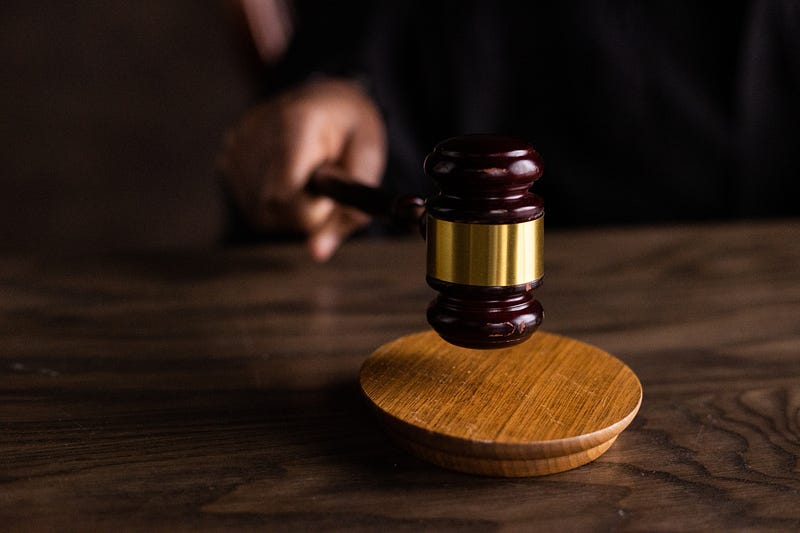
The ruling was controversial, poignant, and inhumane. With one strike of the hammer Chief Justice Taney rendered all Black people living in America stateless.
The injustices that would plague descendants of slaves were instituted. It would take a bloody civil war, two reconstruction amendments, civil rights marches countless court cases to achieve some semblance of equality……
Join me tomorrow. Let’s walk through the annals of history, flip through hidden chapters of slavery and taste the bitter roots of racism.
This is a snippet from the book — YAS Lives Matter: The Narrative of Liberty
A Narrative of Black lives. A retelling of Black history that unveils the cloak of time. A Reconstruction of an altered past bringing back forgotten Black heroes.


