
The Old Testament Book of Judges
Judges Shows a Decline in God’s People, the Nation of Israel, After a Time of Prosperity, Growth, and Advancement Under Joshua

The Old Testament is a lot more than just an ancient history lesson. The New Testament gospel tells us there are many stories and examples for us to learn from so we can live life better.
The Book of Judges Can Be Depressing
Judges is a depressing book that sets the stage for much of what will continue to happen later in the Old Testament. Following this is the kingship of David and his son Solomon, both of which were positive in certain perspectives. But after them, Israel declined totally and went into captivity.
Joshua is a book of God’s people conquering. Judges is a book of God’s people being conquered — not always by enemies, but by their apathy and self-focus. They were later conquered by their enemies. The last sentence in Judges shows why they fell away: “Everyone did what was right in his own eyes.”
We face much the same battle today as the people did back then. We are into a self-focus that psychology says is narcissism in many people.
Joshua Was a Great Leader After Moses
Joshua led the people well and they conquered most of the land they were instructed to by God. But now it says, ‘There was no king in Israel.’ There was no one to lead the people. Joshua was the common denominator in the last book, but in Judges, there is no common denominator, no vision, no unity in the nation.
It says, ‘without a vision, people perish.’ The same type thought is in the New Testament when it says people are ‘destroyed’ for not living in God’s ways. It doesn’t mean literal destruction, but life is affected negatively if we live in SELF, not in GOD. It is said we are ‘individualistic’ today, and there is little or not ‘common bond.’
Judges reveals a type of human anarchy. It’s a replay of Adam and Eve in the Garden: they wanted authority in themselves, and independence from God to do their own thing. Satan tempted them saying, “You will be like God.”
‘Worshipping the Creature’ is Modern Idolatry

Most of us are too intelligent and sophisticated and modern to worship literal man-made idols today, as people did in ancient times. But if we don’t worship God, we tend to worship, adore, and adulate something or someone keeping us captivated and enthralled.
Paul speaks of people ‘worshipping the creature and not the Creator God’ (Romans 1:25). Of course, the creature is ‘US.’ This can describe what was happening in Judges. God responds when we call upon him in repentance, as he did here in this book.
But if we are preoccupied with SELF, we don’t call upon him. However, we do see the Spirit of God coming on some of the judges in this book.
The people felt entitled, and relied on their own ability. If you think about it, this describes many modern people today! Most of life is centered on them, their needs, their wants, and their need to control other people.
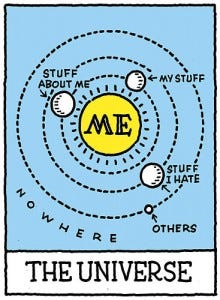
This is how people were in Judges — that is until things got too bad for them to handle. Then they would cry and plead and call upon God to help them, and he would do so by sending them a ‘Judge’ to govern them.
Our Ability vs. Our Availability to God
What God looks for is our availability to him, not our ability. He looks for us to respond to him in any life situation we face, and not try to initiate handling it on our own. He wants to partner with us in all areas of life. He looks at our hearts, and looks for our faith in him in them.
We often feel we have the ability to defeat sin in our lives, without needing God to do so. But the longer we live, we do battle with the same temptations and sins that we thought we could conquer. We will all die with sin in us, or at least something that is not proper for a ‘religious person’ to think or do.
Life is often like a rally-coaster to us: sometimes we’re up and sometimes we’re down. When we wait until we’re down, as people did in Judges, it’s often too late. In Judges, God usually gave into the complaints of the people and sent them a judge to help them out.
But sometimes, God must let us endure until we become despondent of doing things ourselves, and in our ability, and we’re willing to seek him. Sometimes we must hit the bottom of the barrel before we’ll look up toward God.
The folks in Judges never looked at themselves to see what they lacked. They just turned to God to get what they needed. We often do the same thing today. “Lord, give me a better life — the way I define it.”
The judges show how much we like to be led — by politicians, pastors, or whoever. We want answers: “Tell me how to get what I want.” And this is what so many preachers give us. It’s often said, “Go try A-B-C this week and see if it works. If it doesn’t, come back next week and I’ll give you X-Y-Z to try.”
This is why pastors and politicians are so prominent: we almost worship them. They can become like ‘JUDGES’ over us if we allow them to be.
But today we should be much more confident in a God we know as faithful because of the unlimited, unilateral blessings the gospel of Jesus reveals he gives us.


