
A NOVEL SET IN PREHISTORY
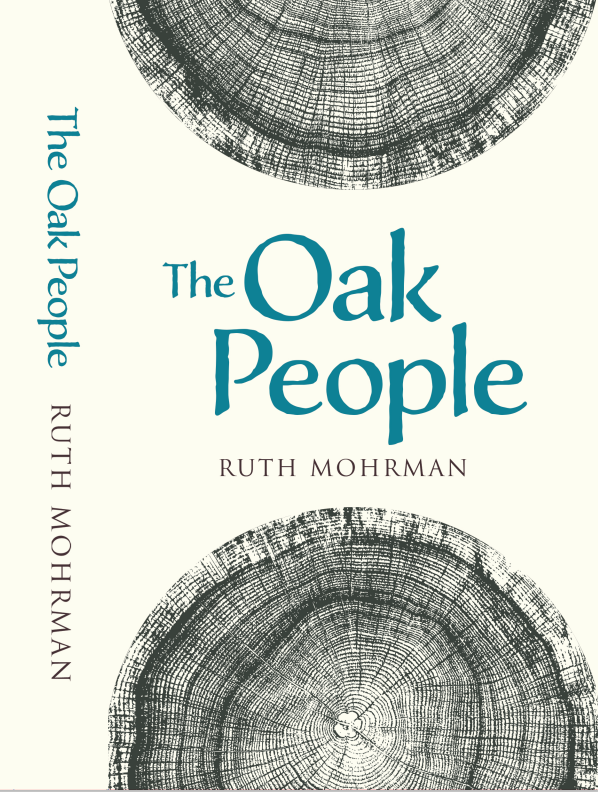
The Oak People
Chapter 1: Ansa is made ready
Ansa
Ansa squats by the stream to wash, being careful to wet between her legs like the women told her. The fingers of Eshtu play hot on her shoulders as she walks back to the camp. Soon the tents come into view, the summer grass long since trampled down around them. Her heart drops like a stone in water when she sees wood being heaped up for the feast tonight and thinks of what must follow. In the morning, the camp will be broken up.
Garoa is by the shelter, watching. ‘What took you so long?’ There is no trace of softness in the voice of her father’s wife. ‘Get over to the fire. They’re mixing the kho.’
Ansa turns obediently towards the nearest hearth, where some of the Oak women are squatting around a flat pounding stone. She is glad to see that the wrinkled one who will be her mother-in-law is among them. Koru has kind eyes and the stories she tells around the fire fill Ansa with wonder.
The women look up, excited to see the bride approaching. She kneels in the space they have made, folding her long legs beneath her like an antelope. She keeps her head down.
‘You needn’t look so scared,’ one of the women says. ‘We’ll make you beautiful for him.’
‘That’s why she’s frightened!’ There is shrill laughter. ‘Or maybe she knows what to expect — maybe she’s done it before.’
Ansa feels the warm colour rising up and spreading over the dark skin of her face. There is no real malice in the words of the women but their curiosity is like a blade scraping her skin. Then comes an older voice and she risks a fleeting upward glance.
‘Leave the child in peace,’ says Koru.
The others settle down to their pounding. Closing her eyes, Ansa thinks about what is to come. Though she tries to grasp and hold them, the thought pictures pass overhead like a flock of birds, out of her reach. Women taking down the shelters in the early morning light. Her own people with packs on their backs, turning to wave. Ita putting his hand on her head, then walking away with Garoa and the children. He does not look back.
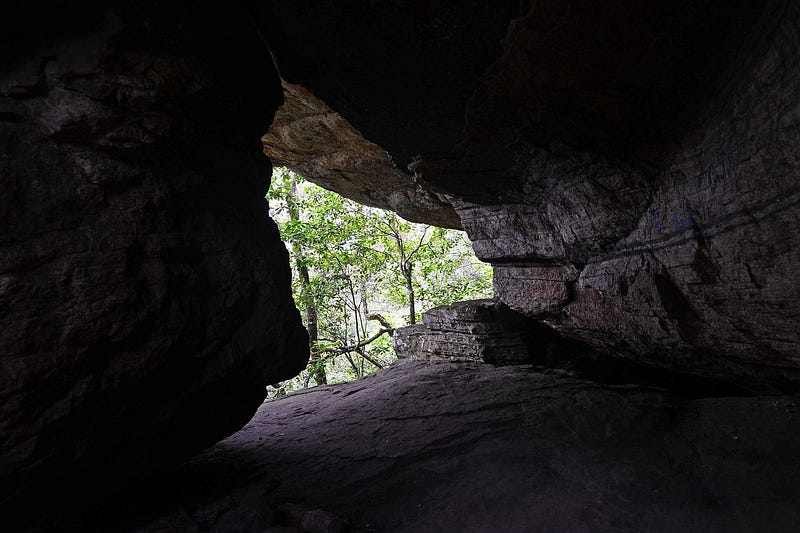
She tries to picture herself trekking across the plain with these Oak People to their mountain range — the Nose of the Antelope. Climbing up to their cave. What can it be like to sleep in the dark nostril of a mountain? With strangers? To gather food with those women? One by one, the thoughts dip down then race up, away from her grasp. Only one thought remains, still and glowering, like a waiting vulture. After tonight’s Balqa feast and the joining, she must lie down under a skin with the gap-toothed man, Bidari.
She looks up to see Koru peering short-sightedly at the red heap on the flat stone, feeling the smoothness of the powder between her fingers. Ansa has never seen kho of such a red before. When it is mixed with water, the bowl looks as if it is full of blood. It is so beautiful that she forgets her fear.
‘Where did you find it?’ she whispers.
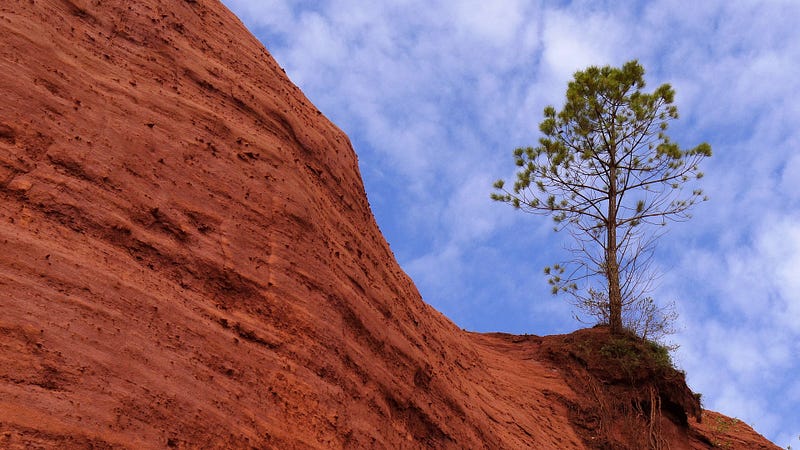
The woman who is mixing the paste smiles. ‘So you do have a tongue.’ She bends over, her mouth close to Ansa’s face. She smells strange. ‘The kho comes from a place high up on our mountain.’
High up on the mountain. Isn’t that where the wild men live? Ansa’s heart beats faster as she remembers all she has heard around the fire. The Sakaitz are pale, with huge gaping nostrils — the offspring of men and she-boar. They are no taller than children but they are very strong. One old man said they can climb for a whole day, without stopping. She shivers, glad that they keep to the high places and are only seen when Balqa is in the land of death and the nights are dark.
The women form a circle around Ansa, to hide her from prying eyes. The heat of their bodies, the unfamiliar smell of them, is overwhelming. A young woman starts to paint her chest with a brush made of goat hair: unseen others are painting her back, her arms. She submits to the soft stroking and soon her breath starts to come more easily. Though their hands are pulling her this way and that, the women demand nothing from her. When they speak it is not to her, but to each other. ‘Isn’t she thin?’ ‘See how long her neck is!’
She looks with wonder at the red lines curving along her arm. Is it their rivers the women are painting, or perhaps the patterned bark of their oaks? A wind begins to blow up. Ansa looks across the plain at the red circle on the horizon, dipping further and further out of sight. Someone grasps hold of her chin and she closes her eyes as they start to paint her face. Behind her eye-lids the half-face of Eshtu still shines, no longer red but green.
Ansa cannot remember a time when she didn’t know the story of Eshtu. The Skyfather withdrew beyond sight into the high heavens, and wept. A hot tear of rage fell from his eye and became Eshtu, who toils up through the sky and down again each day, shedding his fierce heat and light. The Skymother sat with her husband to soothe him. When his anger had cooled, the Skyfather began to weep once more, this time with sadness. A cold tear of mourning fell from his eye and became Balqa, who gives his soft light to the night sky. Balqa is not fierce like his older brother Eshtu, but he has greater wisdom. He knows the secret of death.
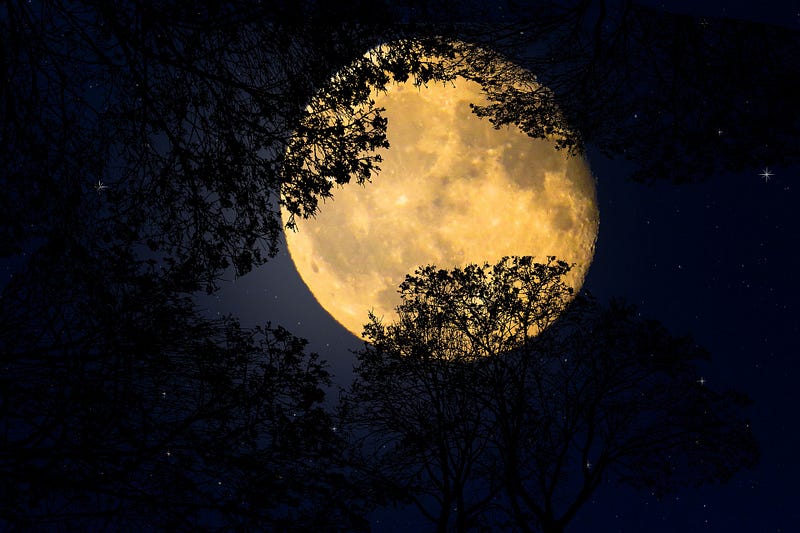
She thinks of all the dark nights back in her desert home, when Balqa was in the land of death. She would watch the sky with the other children, each one wanting to be the first to see him born again, the thinnest blade of light. Tonight, he will be swollen with life, huge and round. This is the time for a man and a woman to be joined.
‘Just your eyelids now and then it will be done,’ says the voice of the young woman.
Thank you for reading. Chapter 2 is here:
An introduction to the novel is here:
Or if you prefer, the novel can be ordered in paperback from almost any bookshop, and as an ebook or paperback from Amazon here: https://mybook.to/PYld2


