
The nutritional quality of plant protein sources (part 1)
Amino acid profile

Proteins are essential macronutrients for human nutrition. The general recommendation for protein ingestion proposed for normal adults is 0.83 grams by body weight (kg) per day, which recommends by WHO and other international organizations. Pregnant (1.1 g/kg/d), lactating women (1.3 g/kg/d), and infants (1.2–1.52 g/kg/d) need higher ingestion of protein than adults do. Protein quality has been defined by nutrition scientists as the ability of a dietary protein to meet needs for regular metabolism and maintenance or growth of body tissues.
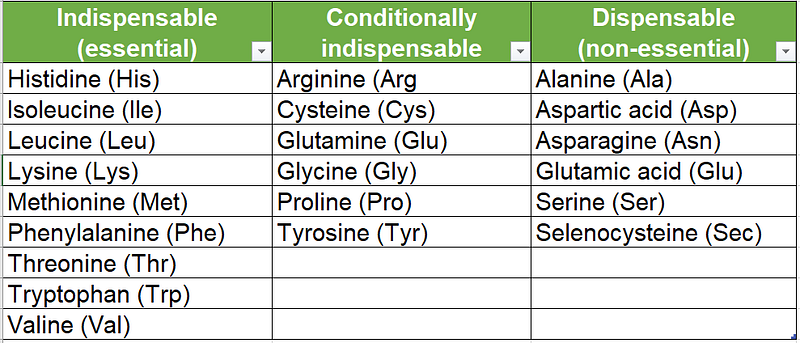
Animal foods are usually considered to be the highest quality protein sources that provide all essential amino acids, whereas vegetable sources generally lack one or more of the essential amino acids. Amino acids are the major nitrogen-containing elements and structural compounds of proteins in the human body. Each amino acid performs a different and essential role in the functioning of the organism. There are nine indispensable (essential) amino acids that cannot be synthesized in the human organism and must be provided in the diet. Six amino acids are conditionally indispensable which means their synthesis can be limited under special pathophysiological conditions, such as prematurity in the infant or individuals in severe catabolic distress. Dispensable or non-essential amino acids can be synthesized in sufficient quantities in the body.
However, there is an overconsumption of protein across the world and several disadvantages claimed to livestock and traditional animal protein sources including climate change, environmental pollution, world hunger, or moral consideration. Thus, in a continuously increasing world population, a current challenge is the consumption of proteins with low-cost and easily supply, meeting environmental and social aspects. There are several well-known sources of plant proteins that may supply the human diet and help to overcome the population growth challenge.
In 2020, a critical review of several well-known sources of plant proteins that may supply the human diet, named “Plant proteins as a high-quality nutritional source for human diet” published on Trends in Food Science & Technology Journal — one of the premier international peer-reviewed journals publishing critical reviews and commentaries of current technology, food science, and human nutrition. The nutritional quality of protein sources varies substantially depending upon their bioavailability, digestibility, amino acid profile, purity, antinutritional factors, and processing effects.
This paper mentioned the protein content and profile in terms of essential, conditionally essential, and non-essential amino acids for the main plant proteins available for humans.
1. Legumes
A diet rich in legumes ingestion could bring many beneficial physiological effects for the human body. Legumes are an excellent option for human nutrition since they are economical and abundant sources of protein, energy, carbohydrates, fibers, vitamins, and minerals for most of the world’s population.
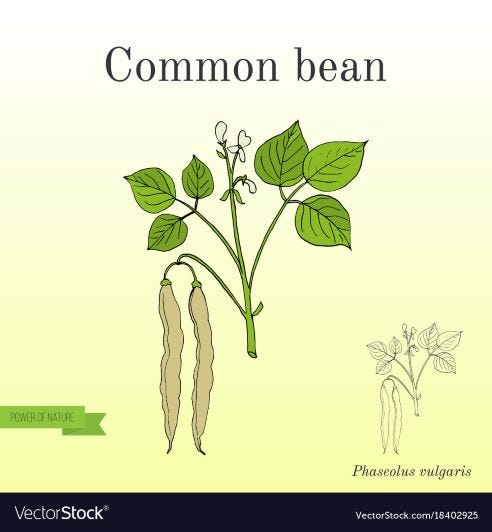
Among them, soybean protein is the one that has been extensively processed and studied. In developing countries, the common bean or also known as Phaseolus vulgaris is one of the main sources of vegetable protein available. Peas are highly nutritious that can be used for many food formulations to improve human protein intake. Although the consumption of legumes can fulfill the majority of essential amino acid requirements, as well as they are characterized by high Lys content; several studies reported legumes as a limited source of sulfur amino acids (Met and Cys) and Trp. This deficiency of sulfur amino acids is remarkable and is present in the vast majority of leguminous species.
However, some studies demonstrated specific legumes presenting a balanced content, including the sulfur amino acids. Chickpea food products are confirmed as a suitable dietary source of high-quality protein. The defatted flour and protein isolates of lupin were evaluated, which fulfilled the essential amino acid pattern requirements. Pigeon pea and its protein isolates were founded as a well-balanced and promising source that contains a high content of sulfur amino acids, suitable for human consumption.
2. Cereals
The consumption of cereals for human and animal nutrition is typical worldwide, mainly rice, wheat, corn, and barley.
Rice is widely consumed in developed and developing countries. Rice is also the staple food of Asia and part of the Pacific. However, Lys is the most limiting amino acid for rice protein isolates; nonetheless, this particular cheap protein source could provide a significant added value to some food products.
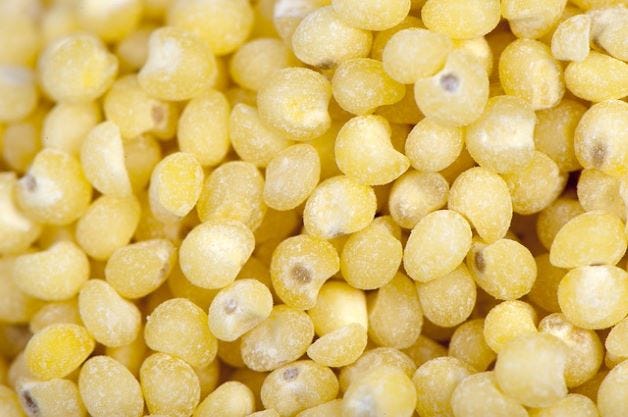
Millet and its protein concentrates are a highly nutritious cereal source of proteins, especially consumed in developing countries. Millets contain high quantities of essential amino acids, above the amounts recommended by WHO/FAO/UNU (2007) for humans, including Lys, suggesting it as an excellent option to enrich the protein content in diets.
3. Pseudocereals
Pseudocereals, such as quinoa, amaranth, and buckwheat, are not true cereals in botanical terms since they are dicotyledonous plants as opposed to most monocotyledonous cereals (e.g., rice, wheat, and barley).
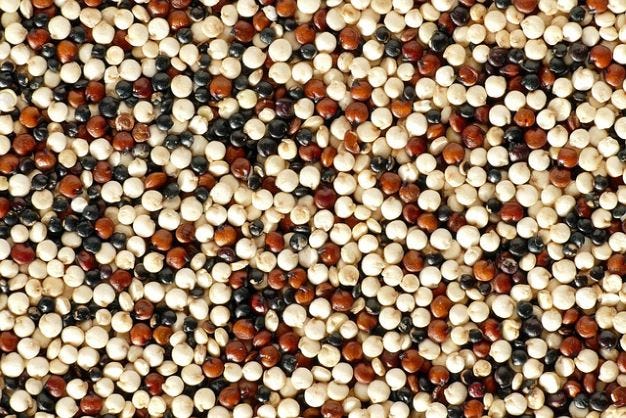
In recent years, there has been a great interest in using pseudocereals protein, such as quinoa and amaranth, due to the consumer demands for different sources nutritiously balanced. These sources provide high-quality protein, fibers, unsaturated fatty acids, and desirable levels of vitamins and minerals. They have high bioavailability and a good profile of essential amino acids. Additionally, they are gluten-free, ensuring an adequate intake for people who have celiac disease. Quinoa and amaranth have a high content of Lys, higher than the standard recommendation. This amino acid is the key component found in insufficient amounts in cereals, suggesting both as optimum and useful dietary supplements.
4. Seeds
The concern of consumers worldwide for the consumption of ingredients derived from natural sources like plant origin is increasingly growing, and the inclusion of seeds in the diet is an actual trend towards increasing the quality of nutrition.
Flaxseed is a rich source of high-quality protein, fibers, and phenolic compounds, with a favorable profile of essential amino acids to human nutrition, while some authors demonstrated that Lys is limiting. The supplementation of flaxseed flour (defatted or not) in wheat flour bread was studied, and the levels of essential amino acids were substantially enhanced when adding the flaxseed flour.

The essential amino acid composition of chia seeds was demonstrated that has some deficiencies concerning the standard pattern and indicated supplementation with a Lys rich source. The nutritional composition of watermelon seeds was investigated and reported a high content of Leu and Arg, however, the total amount of essential amino acids was lower than the WHO/FAO/UNU (2007) reference standards. Paprika seed flour was studied and found that those seeds were rich in aromatic amino acids, Lys, Thr, and Trp when compared to reference patterns, but poor in Ile and sulfur amino acids. Paprika seed protein could complement plant protein sources that have low Lys content to increase its biological value.
5. Leaves and shoots
When it comes to plant proteins, consumers usually use those that are easily known and often found in markets as quality food. However, there are other non-popular protein sources with nutritional quality, such as leaves and shoots.
Ora-pro-Nobis (Pereskia aculeata) is a popular vegetable in parts of the Brazilian state of Minas Gerais. The ora-pro-Nobis (OPN) leaf has a high protein content when compared with other well-known vegetables, and the essential amino acid amounts are higher than standard patterns for adult consumption, except Met. The Lys content in this leaf can suggest it as supplementation of some cereal-based foods. Trp was the most abundant amino acid found in this leaf (around 20%), which is the precursor of serotonin that has a sleep-regulating function. The incorporation of OPN dried leaves flour into a regularly eaten food product, such as pasta, could be a healthy and low-cost strategy to improve nutrient intake and promote exploration into a new fresh market food.
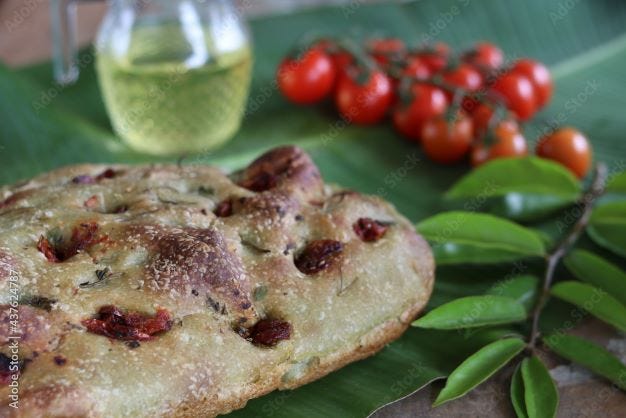
Bamboos are a very versatile protein source. Bamboo shoot is a familiar ingredient in some Asian cuisines, like China or Vietnam. The protein content of bamboo shoots may be rich and could supply a generous quantity of protein for human consumption.
6. Almond and nuts
Nuts and almonds are popularly known to have high lipid content, including fatty acids. Moreover, it has been shown a relevant protein content.
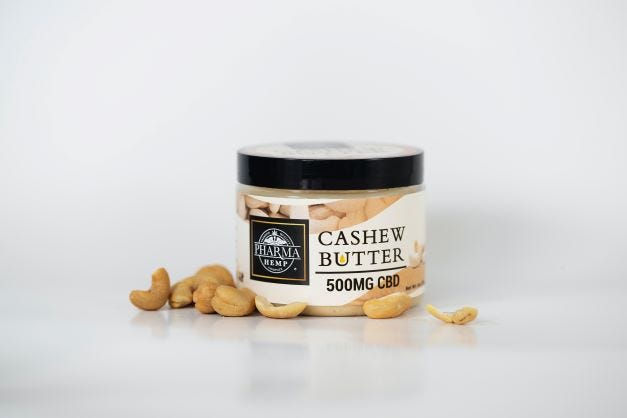
Native species from the Brazilian Savannah (Cerrado), such as baru (Dipteryx alata) and pequi (Caryocar brasiliense), are examples of non-traditional almonds and are good complementary protein sources due to their complete amino acid profile. Baru almonds reached 100% of reference requirements for essential amino acids, while pequi almonds presented higher content of sulfur amino acids and Lys as the first limiting amino acid, which is similar to cashew nut (Anacardium othonianum). Peanut has Val and Lys as limiting amino acids and can be seen as an inferior protein source when compared to the previous.
7. Agro-industrial by-products
The recovery of protein from agro-industrial by-products and residues from the food industry is a sustainable alternative to minimize waste disposal, maximize resources, and add market value to different products. Also, it contributes to developing nutritional products with reduced cost.
Watermelon, pumpkin, and paprika seeds could be successfully used as a protein supply for human consumption, besides the use of edible oils. The residue of pumpkin oil extraction contains up to 70% of protein, which is often discarded. The production of protein hydrolysates concentrates, and isolates are alternatives to convert waste to high added value products with high protein digestibility and a balanced amino acid composition similar to the reference pattern (WHO/FAO/UNU Expert Consultation, 2007).
The residual sunflower oilcake and its protein concentrates were studied and observed a high protein digestibility. The protein composition of sunflower protein isolate from the by-product of fat extraction was evaluated and found the amino acid composition fulfilling the standard requirement, except for the Lys content. The canola oil extraction by-product has up to 50% in proteins, and the amino acid profile is well-balanced for human nutrition. The rapeseed meal (a by-product of oil extraction) includes about 40% of protein, rich in Lys and sulfur amino acids, implying a high nutritive value. The high-value and low-cost peanut oil extraction by-product could reach 50% in protein content, and the amino acid profile constitutes a remarkable alternative for protein fortification.
Amino acids are essential compounds common to human bodies. For example, Lys is essential for the body’s nitrogen balance, calcification of bones, synthesis of blood and muscle, and liver activities; Met and Cys are sulfur amino acids that have important roles in proteins, such as for functioning and maintaining the immune system and peroxidative protection function in muscles, and cardiovascular and nervous systems; Val assists in motor coordination; Ile and Leu are building blocks present in most proteins; Glu and Asp are significant in immunological stimulation and hormonal regulation, respectively. Therefore, evidently deficiency in amino acids causes many body malfunctions.
=> A balanced plant-based diet concludes:
Among the legumes, some promising plant-based sources of high-quality protein are chickpea, lupin, and pigeon pea. Besides, legume and cereal mixtures can be an effective fortification strategy to achieve the appropriate levels of essential amino acids, satisfying the reference patterns. Moreover, in the last decade, the alternatives millet and pseudocereals (e.g., quinoa and amaranth) have been highlighted due to their excellent protein quality, and their consumption is continually increasing. Traditional cereals, such as rice, wheat, and maize, are big crops around the world. Different seeds, leaves, and shoots present different limiting amino acids and require mixing to reach the standard composition. Despite that, they are still important in many regions of the world.
In conclusion, the world’s population increases continuously, and it is becoming a challenge to guarantee food security based on Earth’s limited resources. Plant proteins are an abundant and relatively inexpensive source of proteins that are widely recognized for their high nutritional value and excellent functional properties. Plant proteins supply all essential amino acids and are environmentally friendly. Thus, plant proteins may be intelligent alternatives to meet the nutritional needs of humankind, protecting the environment and animal welfare.
Sources:
“Plant proteins as a high-quality nutritional source for human diet” — Trends in Food Science & Technology

#Medical Disclaimer: My article is only for information purposes based on reliable sources. The medical and/or nutritional information on my article is not intended to be a substitute for professional medical advice, diagnosis, or treatment.


