The Nutrition Message Nobody Wants to Hear
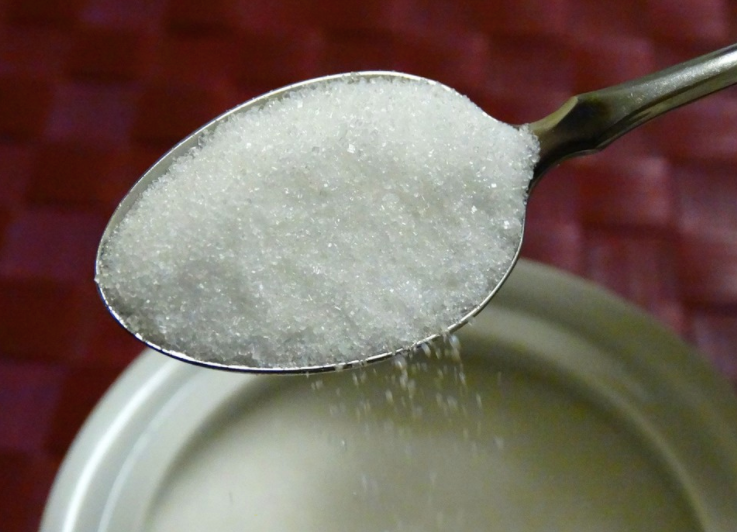
I won’t keep you in suspense. The message is about sugar.
Sure, you’re thinking everyone knows sugar’s bad. That does seem to be true. But not everyone stays away from it, and that’s a problem. Or at least a problem waiting to happen.
When I was training to be a life coach, one of our coaches was 40 to 50 pounds overweight. When she said, “I’m addicted to sugar, but I’m okay with it,” it was clear she didn’t connect sugar with either her weight or her health problems.
Cravings that Never Go Away
I see newsletter articles on sugar cravings that “never seem to go away.” The authors present themselves as nutrition experts. The solution? They recommend products — that they sell — that taste like chocolate and take away sugar cravings. (Of course. They’re sugar.)
Apparently, whatever these experts are doing with their daily food plans doesn’t help with food cravings long-term.
Fact: Sugar cravings absolutely DO go away over time — potentially permanently. It’s a red flag for me when a nutrition ‘expert’ doesn’t know how to make that happen..
Falling for Sneaky, Sexy Sugars
It’s a fairly long list: agave, coconut sugar, maple syrup, fruit juice, honey, monk fruit extracts, date paste, and more.
It’s no surprise if someone who uses these sneaky sugars is addicted to them or has cravings that never go away completely. After all, they’re sugar.
I’m on lots of mailing lists and receive many menus for Paleo desserts that use the above sneaky sugars. They’re delicious, we’re told.
My wisdom is simple: “Delicious” is suspicious.
And sugar is sugar. Maybe not what anyone wants to hear, but it’s true.
Fruits and Vegetables
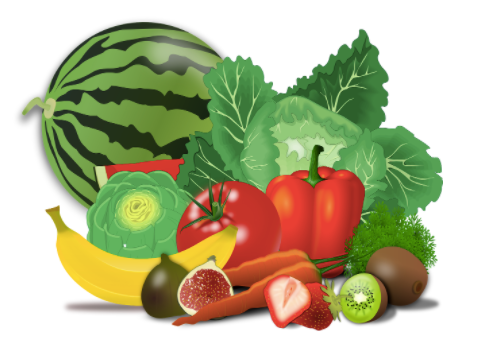
If only people would stop lumping these two together! It makes them seem equally healthful, but they’re not.
Fructose, the sugar in fruit, is harmful. In fact, it’s what makes sucrose — half fructose, half glucose — the junk we know it is. All science researchers seem to know this. I wish the rest of us were willing to accept that.
Two servings of fruit a day is probably okay for most people. A serving is ½ cup or 1 medium fruit.
Yet some fruits may trigger an addictive reaction in some people. Self-awareness and self-honesty are key survival tools, and better than just grabbing those fancy sugars.
My Message Had to Change
Months ago, when joining a women’s networking group, I made the mistake of introducing myself as a sugar addiction expert in my 30-second pitch. It triggered fear, so I switched to talking about metabolic conditions.
People are afraid to deal with sugar addiction, very likely because they know what happens when they go without sugar for any length of time.
But I’ll end with this important message, anyway. It truly matters more than ever:
Sugar is arguably the biggest health obstacle we might face.
• Sugar is at the heart of the obesity epidemic. Not fat, not supersizing.
• Sugar can increase appetite. • Sugar can lead to eating more fat. Many high-sugar foods contain fat. Fat also makes sugar taste sweeter, so foods with both sugar and fat can encourage overeating, and the calories can add up quickly. • Sugar can increase blood pressure. More than salt. • Sugar can increase serum cholesterol. More than fats. • Sugar can raise triglycerides. More than fats. • Sugar can lead to type 2 diabetes.
• Sugar can promote inflammation, known to be the root cause of chronic disease.
• Sugar can negatively affect the immune system. • Sugar can contribute to mood swings, anxiety, depression and other mood issues. • Sugar can interfere with optimal brain focus and work productivity.
I maintain it can be easy to quit sugar if you know how — and to eliminate cravings, potentially permanently.
I’d love to help you. Just visit www.LastResortNutrition.com and grab your free Empower Me Consult. Find out how a few easy steps can help you conquer sugar and cravings, and potentially transform your moods and your health.
Brought to you by Dr. Joan Kent, best-selling author of Stronger Than Sugar: 7 Simple Steps to Defeat Sugar Addiction, Lift Your Mood, and Transform Your Health.