avatarCurious & Hungry by Carly Dela Cruz

Free AI web copilot to create summaries, insights and extended knowledge, download it at here

3142

Abstract

ms of man and nature.</p><p id="567b" type="7">Satoyama landscapes embody the concept of a shared space where humans have shaped the land for generations, promoting biodiversity and contributing to Japan’s cultural and agricultural heritage.</p><figure id="2acc"><img src="https://cdn-images-1.readmedium.com/v2/resize:fit:800/1*UJ9C7ohxBAuOHBVCMDo29w.jpeg"><figcaption></figcaption></figure><p id="33ee">Satoyama isn’t some untouched wilderness or a concrete jungle; it’s a sweet spot, a space shared by people and the land. It’s about generations tending to the fields, letting the forests shape their surroundings, and creating this sustainable harmony that’s not just good for the locals but also a boon for biodiversity.</p><p id="2f99" type="7">It’s the essence of Japan’s rural soul, a concept that’s more than just ecological — it’s cultural, it’s artistic, and it’s damn inspiring.</p><p id="ed6d" type="7">Satoyama, my friends, is where humanity and nature exchange high-fives in a way that just makes sense.</p><figure id="a79b"><img src="https://cdn-images-1.readmedium.com/v2/resize:fit:800/1*_9hPwkFPHn5Tw4WLb0GdFQ.jpeg"><figcaption>Tanaka-san showing us how to sustainably forage wild mizubuki.</figcaption></figure><p id="93d8">Tanaka-san, a conduit to the satoyama wisdom of village elders, led our twilight foraging adventure. Each step brought us closer to the bounty of the land: udo, with its slender stalks and crisp texture; yomogi, a fragrant herb with hints of bitterness; mizubuki, a delicate water parsley; mitsuba, the Japanese wild parsley; sansho, the citrusy zest of the Japanese prickly ash; and myoga, the distinctive Japanese ginger bud.</p><figure id="a944"><img src="https://cdn-images-1.readmedium.com/v2/resize:fit:800/1*eTBMwPJETdsVgDbWEpmBJQ.jpeg"><figcaption></figcaption></figure><figure id="876b"><img src="https://cdn-images-1.readmedium.com/v2/resize:fit:800/1*tTBvKj99dDkCFN2jYftBCg.jpeg"><figcaption></figcaption></figure><figure id="98d8"><img src="https://cdn-images-1.readmedium.com/v2/resize:fit:800/1*My2Chzs8YvPJOnf3fYnVrg.jpeg"><figcaption></figcaption></figure><figure id="b14c"><img src="https://cdn-images-1.readmedium.com/v2/resize:fit:800/1*kViK6lj94aft249uh_ptsA.jpeg"><figcaption>Young mountain vegetables only found in the spring.</figcaption></figure><p id="e845">Tanaka-san imparted not just the art of harvesting sustainably, but also the importance of gratitude towards the earth that provided these treasures.</p><p id="5742">As we wandered through the village, Tanaka-san painted a vivid picture of communal effort and collective pride — meticulously tended vegetable gardens and sprawling rice paddies mirrored the commitment of the people to their time-honored traditions.</p><p id="7a7b">He revealed the poignant tale of abandoned homes, once grand in size, relics of a time when life’s major milestones unfolded within the walls of these family abodes.</p><p id="2b56" type="7">The village’s heartbeat echoed in the air as the stories unfolded with each step.</p><figure id="27d6"><img src="https://cdn-images-1.readmedium.com/v2/resize:fit:800/1*6nQ8hg313q86SBpw2DKp0w.

Options

jpeg"><figcaption>Our humble forage.</figcaption></figure><p id="c0d2">Our journey culminated at a traditional thatched-roof house, a kayabuki, where the harvested vegetables, in the hands of the local grannies, metamorphosed into a feast that celebrated the essence of Noto.</p><p id="90a0">With a humility reserved for true artisans, we handed our foraged treasures to a diminutive Japanese granny, who, with a touch of culinary magic, transformed them into the highlight of our meal — tempura.</p><figure id="6f34"><img src="https://cdn-images-1.readmedium.com/v2/resize:fit:800/1*-xeVIiVwVbhskhnH9dFtAA.jpeg"><figcaption>Mountain vegetables prepared tempura style.</figcaption></figure><p id="0ed0" type="7">Each bite carried the pride of our hands-on contribution to this gastronomic masterpiece.</p><p id="2567">As we bid farewell, my heart overflowed with gratitude for the warmth and generosity of the people of Noto. Despite the recent earthquakes that shook the northern tip just before our arrival, their resilience and unwavering commitment to preserving their cultural landscape resonated.</p><p id="5b49" type="7">As I contemplate the recent earthquake in Noto on January 1st, 2024 — a place that holds profound meaning for me, my heart is stirred with a mix of emotions, buoyed by a resilient spirit forged through my own community’s experience.</p><p id="d082">Having faced the devastating wild fire disaster on Maui, my home, just last year, I intimately understand the arduous journey of grieving, acceptance, and finding a way to move forward, let alone the energy and hope to do so.</p><p id="93a2">Yet, it’s precisely from that shared place of empathy that I draw hope for Noto’s future. The indomitable strength exhibited by my own community in the face of adversity serves as a beacon, illuminating the path towards renewal and recovery.</p><p id="4010">It is my fervent belief that the people of Noto, and of Japan, with their unwavering determination and the support of a global community, will emerge stronger, breathing new life into the very essence that makes Noto a cherished and resilient haven.</p><p id="5a13">Should you feel compelled, <a href="https://medium.com/@robintlewis">Robin Lewis</a> shared some ways you can help from afar.</p><div id="48a7" class="link-block"> <a href="https://readmedium.com/how-to-help-survivors-of-the-2024-noto-peninsula-earthquake-in-japan-13c1a8f1bfba"> <div> <div> <h2>How to help survivors of the 2024 Noto Peninsula Earthquake in Japan</h2> <div><h3>Support these organisations accepting international donations for earthquake survivors</h3></div> <div><p>medium.com</p></div> </div> <div> <div style="background-image: url(https://miro.readmedium.com/v2/resize:fit:320/1*9VGLZWZdexpDeH2uPTqVTQ.jpeg)"></div> </div> </div> </a> </div><figure id="e3ae"><img src="https://cdn-images-1.readmedium.com/v2/resize:fit:800/1*3RbZswLBxTCq4RIWHqnafg.jpeg"><figcaption></figcaption></figure></article></body>

The Noto Peninsula — Will it exist like this ever again?

As I contemplate the recent earthquake in Noto, a place that holds profound meaning for me, my heart is stirred with a mix of emotions, buoyed by a resilient spirit forged through my own community’s experience.
All photos by Carly Dela Cruz

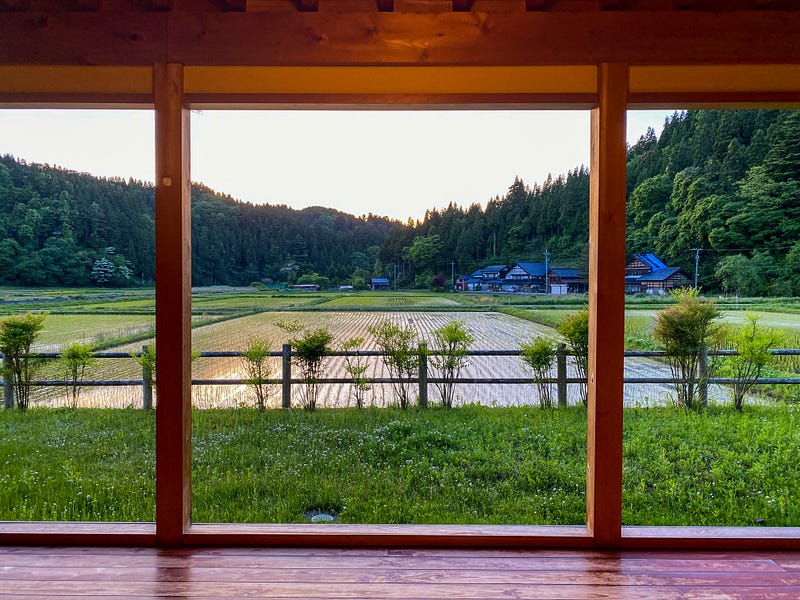
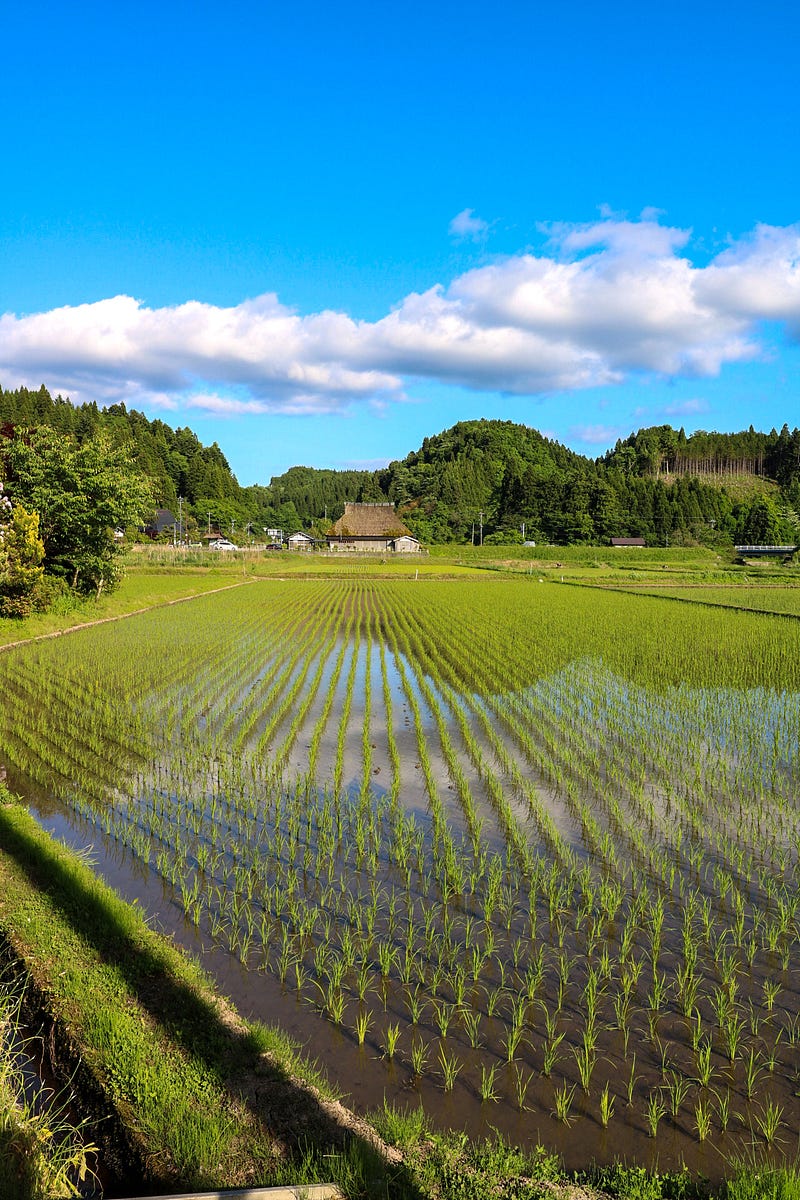
As the sun dipped low over the picturesque Noto Peninsula, casting a warm golden glow across the fields of freshly planted rice paddies, I found myself strolling through the mystical forested region of Wajima with my host, we shall call him Tanaka-san, the owner of a local B&B.

Tanaka-san, the laid-back samurai of Urushihara, is the visionary owner of the eclectic haven we called home — a B&B, cafe, farm, and the beating heart of down home local experiences rolled into one. With his bandana and apron, and the happiest of smiles with his eyes that crinkle upwards and his laughter that resonates through the entire space, Mr. Tanaka embodies a genki spirit, turning our stay into a celebration.

His hospitable energy permeated every minute of our day. Having left the hustle and bustle of Tokyo for a more serene existence, Tanaka-san embodied the spirit of those who seek solace in the Japanese countryside.
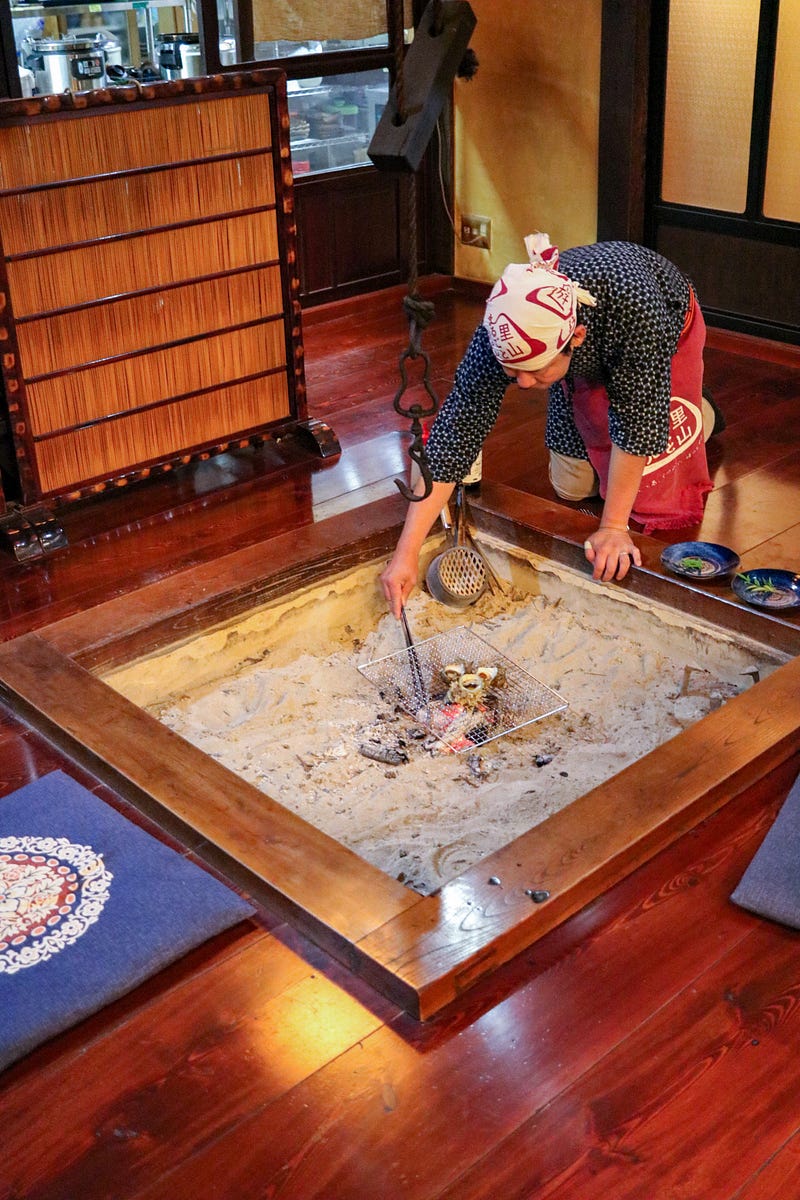
A traditional ‘irori’ a Japanese sunken hearth fired with charcoal. Used for heating the home and for cooking food in traditional houses.

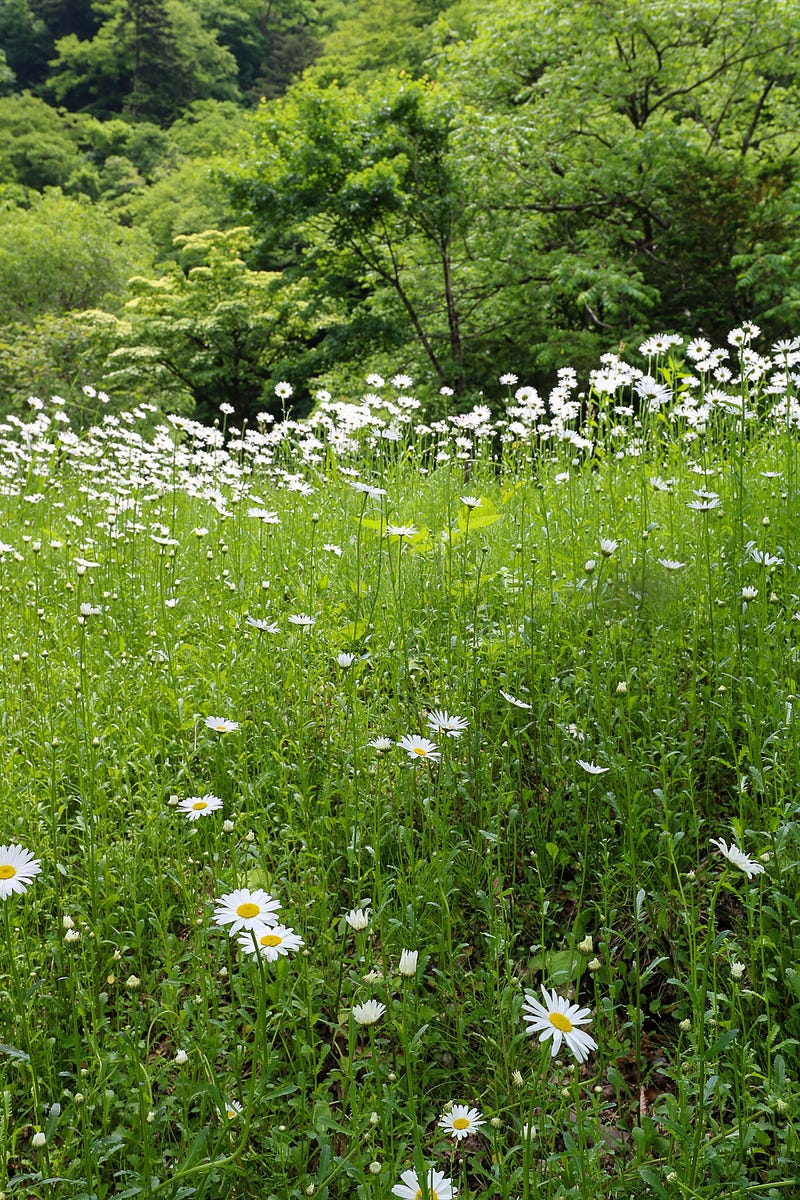
In late May, the cherry blossoms had long bid their farewell, making way for a vibrant confetti of iris, cosmos, daisies, and more.
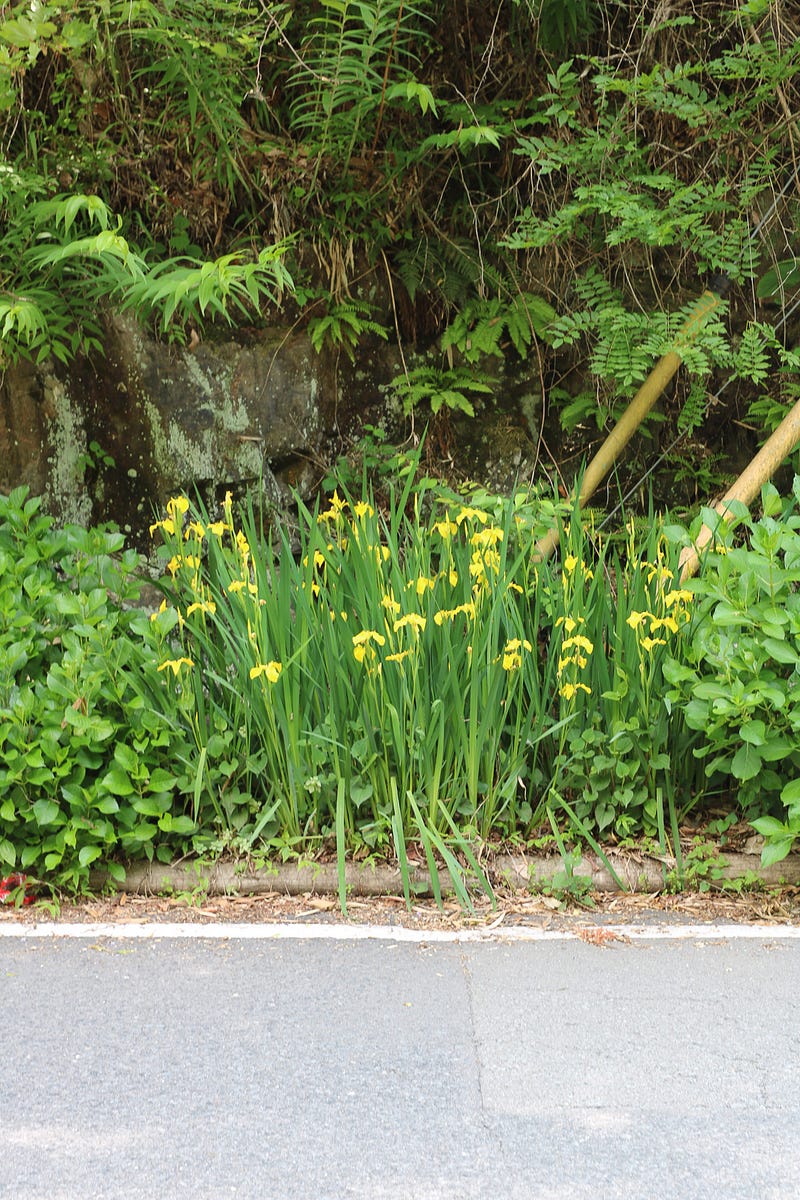
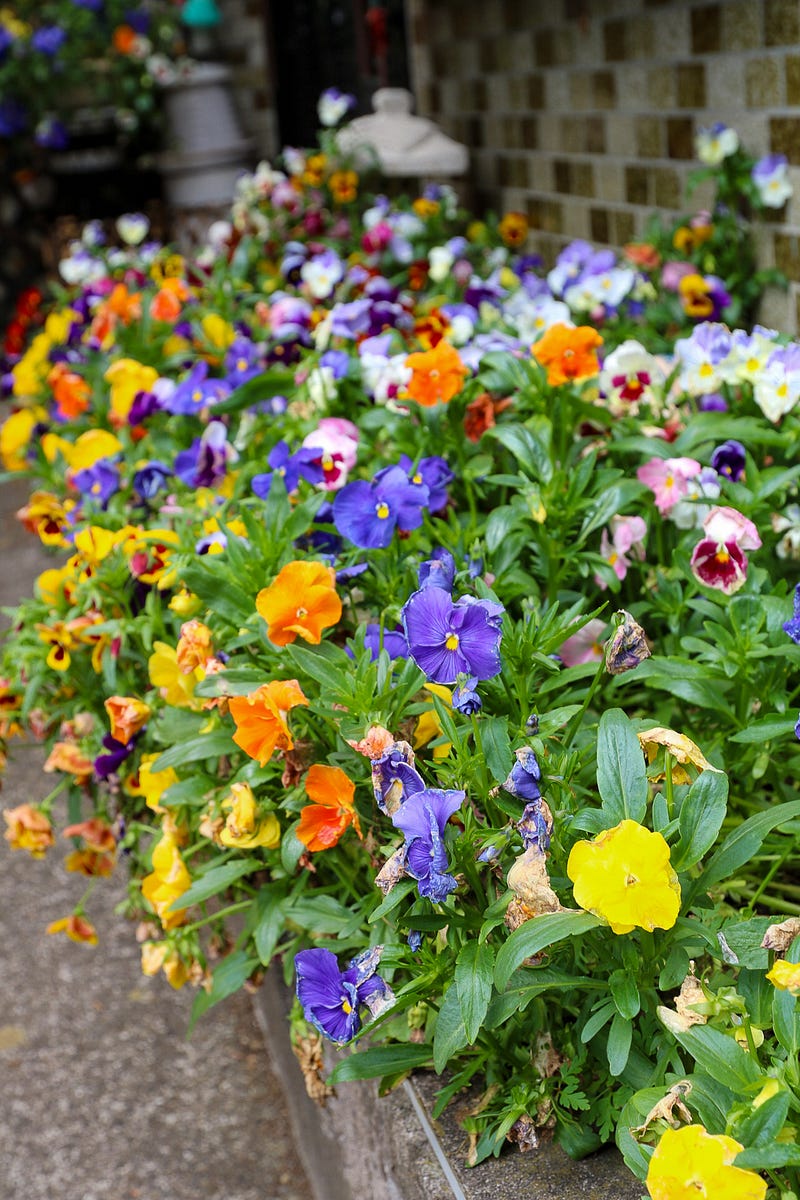
The Japanese spring no one talks about.

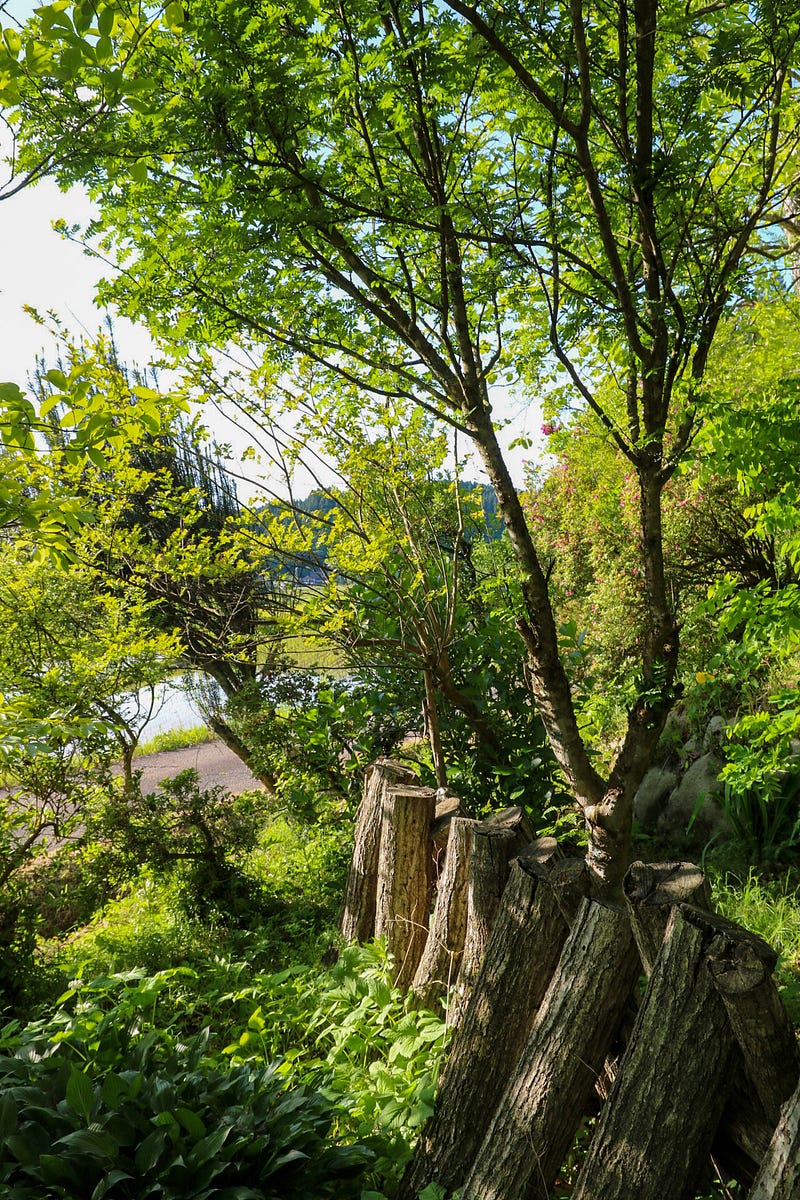
The air was crisp, the sky a canvas of pastel hues, and the earth beneath our feet alive with the emergence of young mountain vegetables. The Noto Peninsula, deeply rooted in satoyama culture, embraced the harmonious coexistence between humans and nature, a concept that unfolded before my eyes.

Satoyama is a Japanese term signifying a rural landscape where human activities and nature coexist harmoniously. Combining the Japanese characters “sato” (village) and “yama” (mountain), it represents a sustainable balance between agriculture, managed forests, and local communities. This intermediate zone, neither purely wild nor cultivated, showcases diverse ecosystems of man and nature.

Satoyama landscapes embody the concept of a shared space where humans have shaped the land for generations, promoting biodiversity and contributing to Japan’s cultural and agricultural heritage.
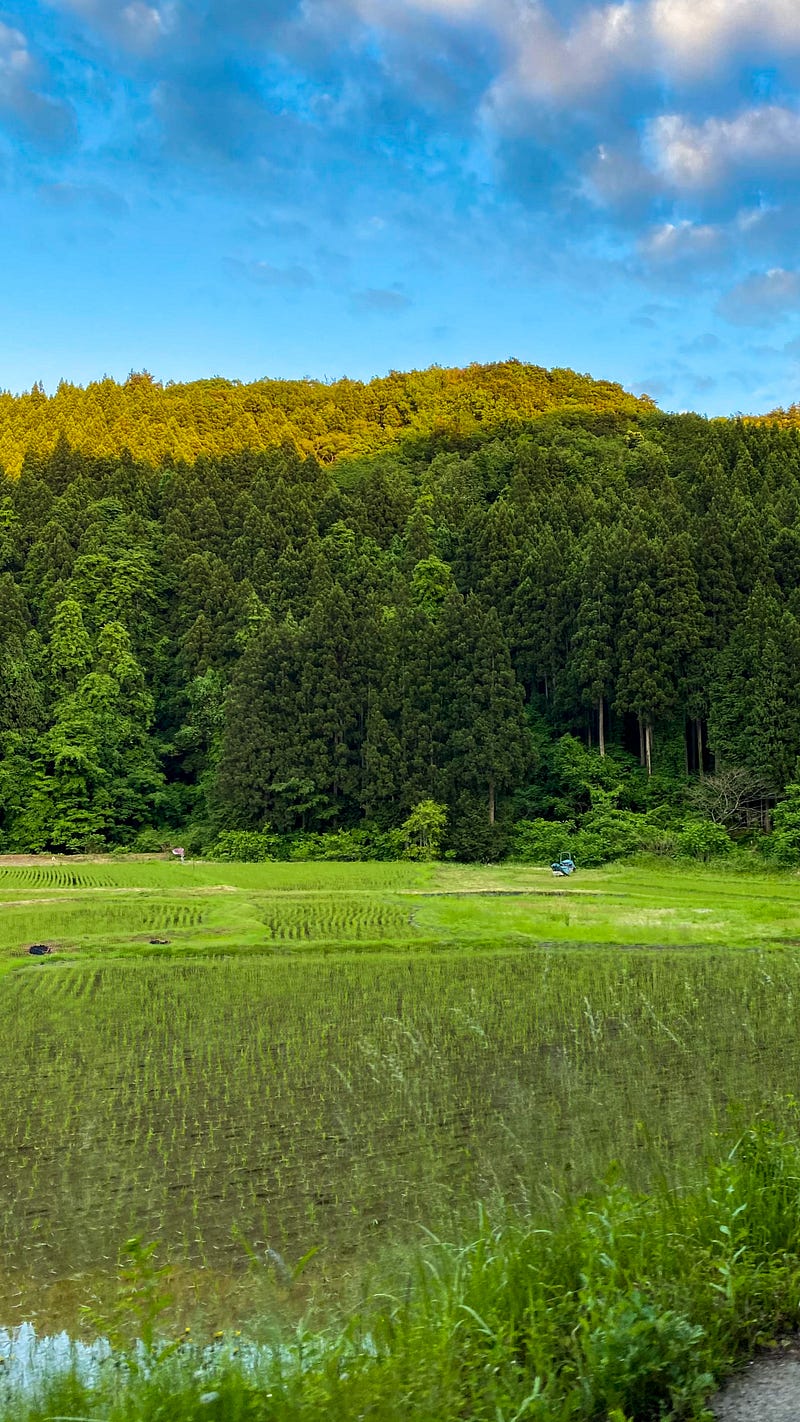
Satoyama isn’t some untouched wilderness or a concrete jungle; it’s a sweet spot, a space shared by people and the land. It’s about generations tending to the fields, letting the forests shape their surroundings, and creating this sustainable harmony that’s not just good for the locals but also a boon for biodiversity.

It’s the essence of Japan’s rural soul, a concept that’s more than just ecological — it’s cultural, it’s artistic, and it’s damn inspiring.

Satoyama, my friends, is where humanity and nature exchange high-fives in a way that just makes sense.
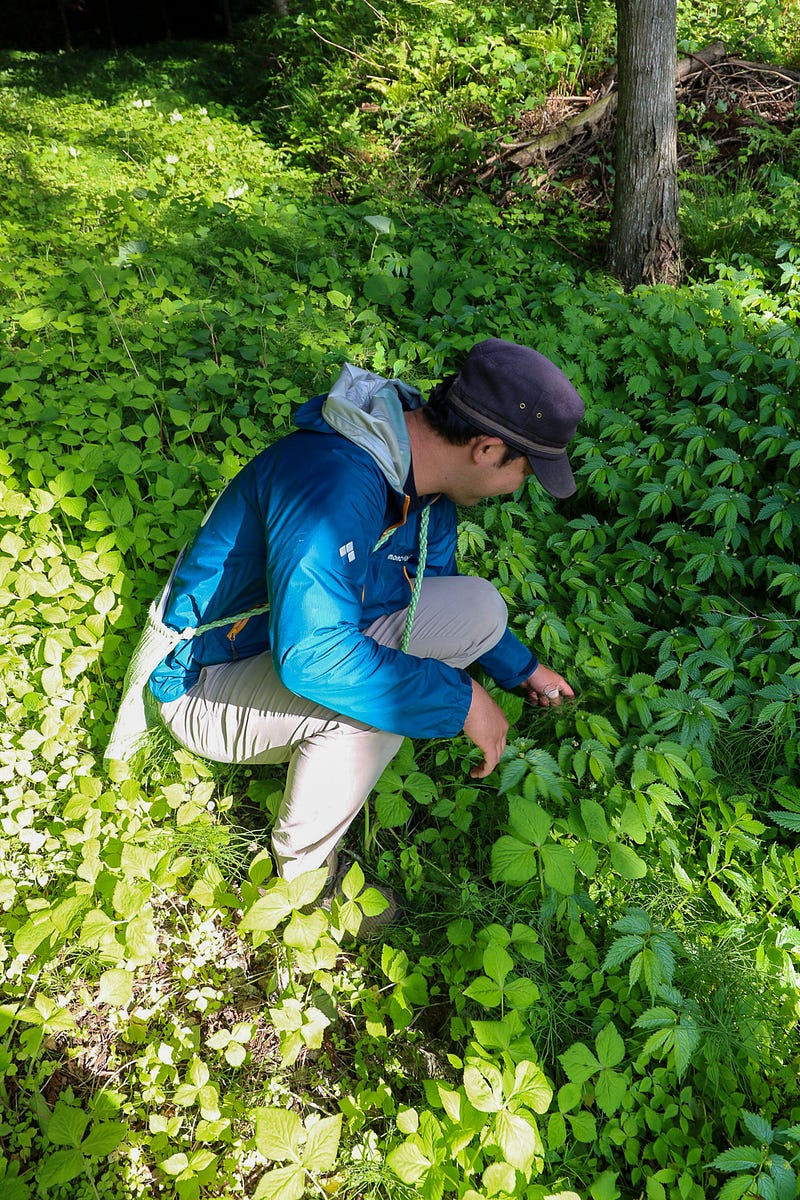
Tanaka-san showing us how to sustainably forage wild mizubuki.

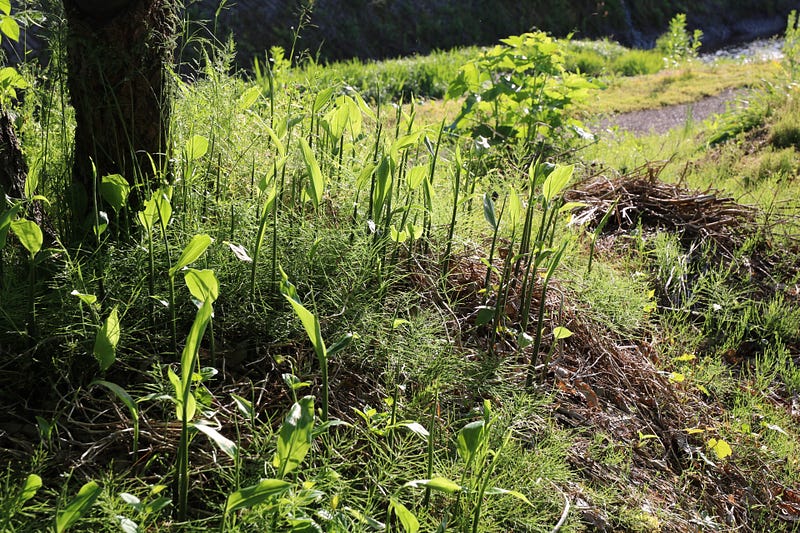
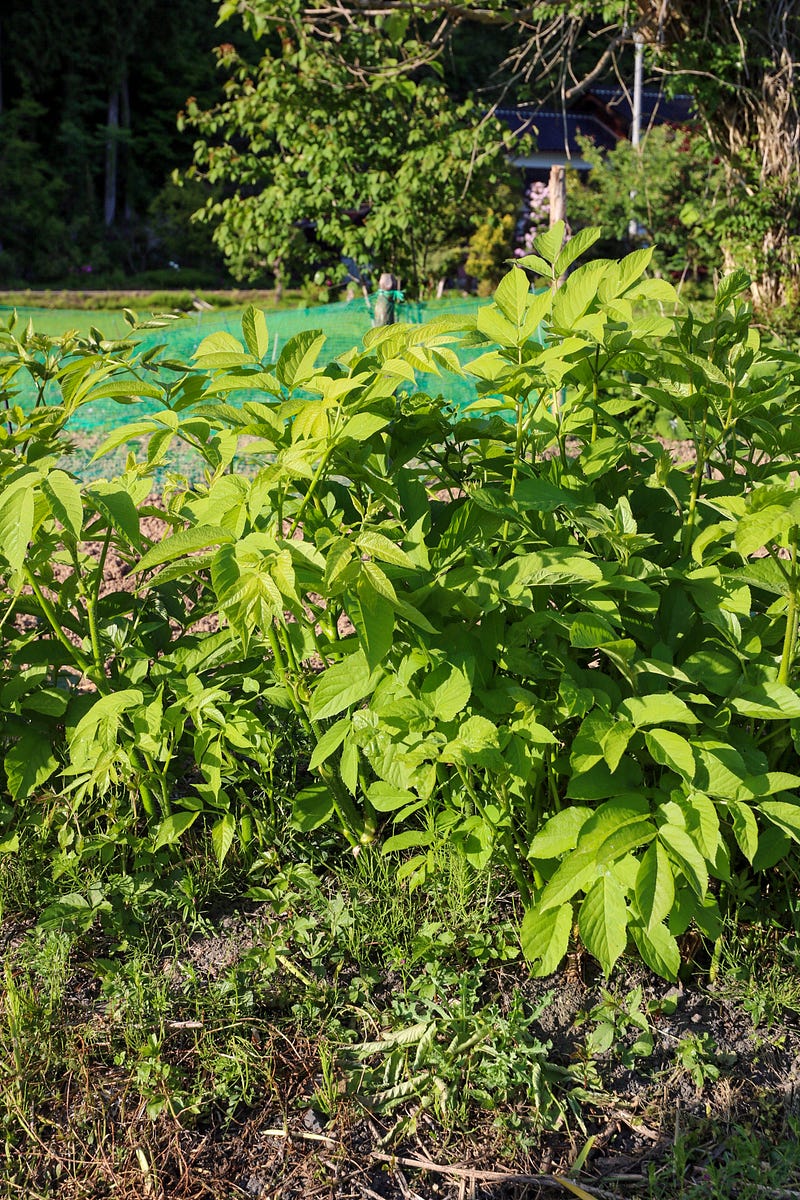
Tanaka-san, a conduit to the satoyama wisdom of village elders, led our twilight foraging adventure. Each step brought us closer to the bounty of the land: udo, with its slender stalks and crisp texture; yomogi, a fragrant herb with hints of bitterness; mizubuki, a delicate water parsley; mitsuba, the Japanese wild parsley; sansho, the citrusy zest of the Japanese prickly ash; and myoga, the distinctive Japanese ginger bud.
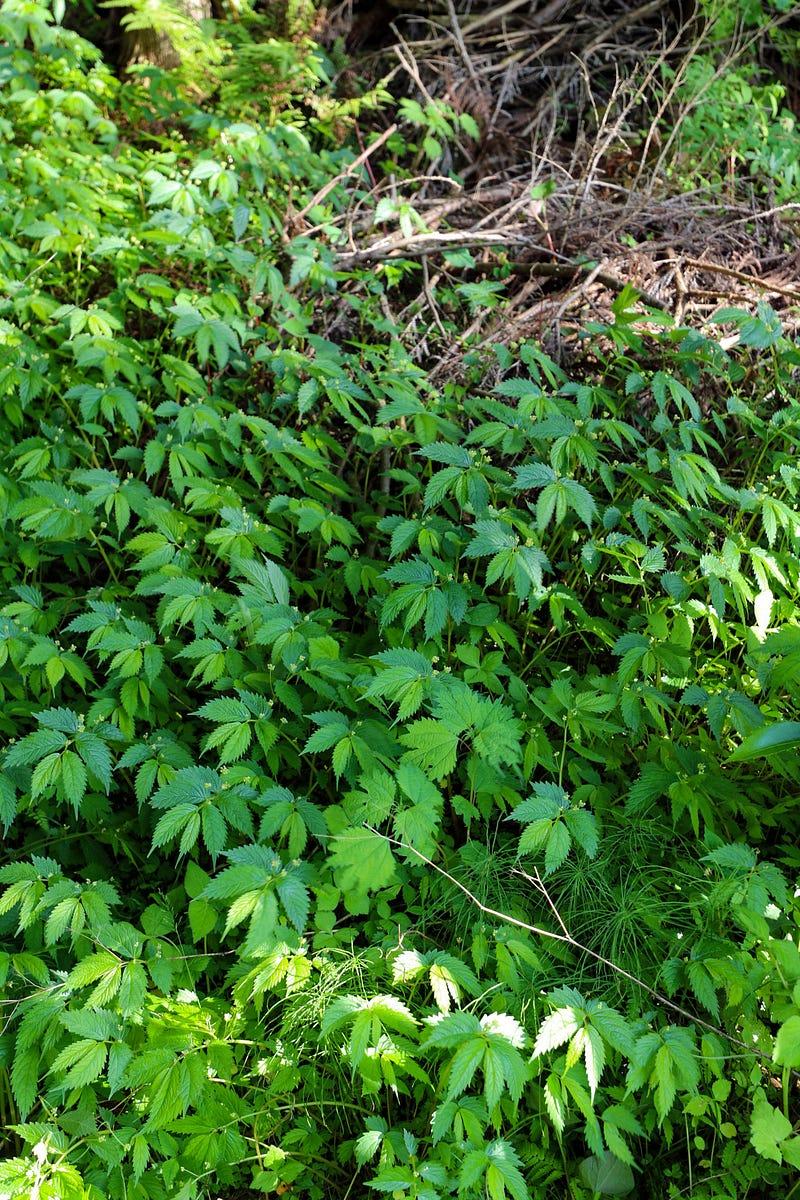
Young mountain vegetables only found in the spring.

Tanaka-san imparted not just the art of harvesting sustainably, but also the importance of gratitude towards the earth that provided these treasures.

As we wandered through the village, Tanaka-san painted a vivid picture of communal effort and collective pride — meticulously tended vegetable gardens and sprawling rice paddies mirrored the commitment of the people to their time-honored traditions.

He revealed the poignant tale of abandoned homes, once grand in size, relics of a time when life’s major milestones unfolded within the walls of these family abodes.

The village’s heartbeat echoed in the air as the stories unfolded with each step.
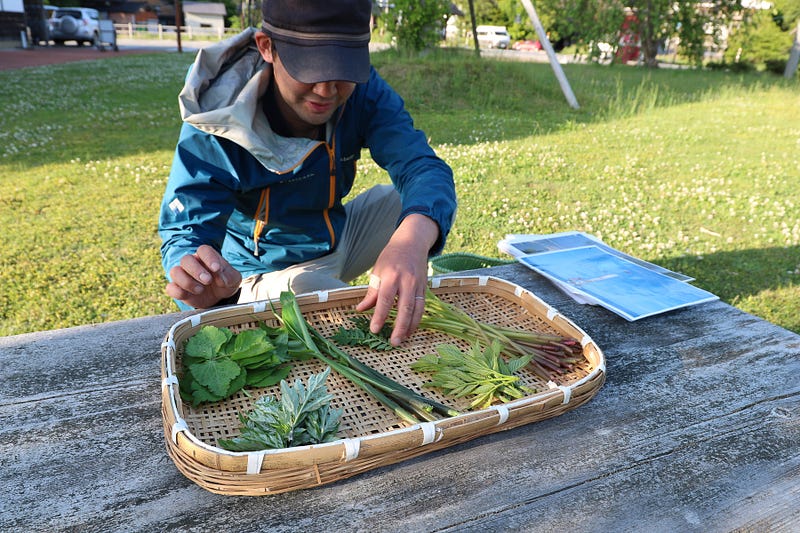
Our humble forage.

Our journey culminated at a traditional thatched-roof house, a kayabuki, where the harvested vegetables, in the hands of the local grannies, metamorphosed into a feast that celebrated the essence of Noto.

With a humility reserved for true artisans, we handed our foraged treasures to a diminutive Japanese granny, who, with a touch of culinary magic, transformed them into the highlight of our meal — tempura.
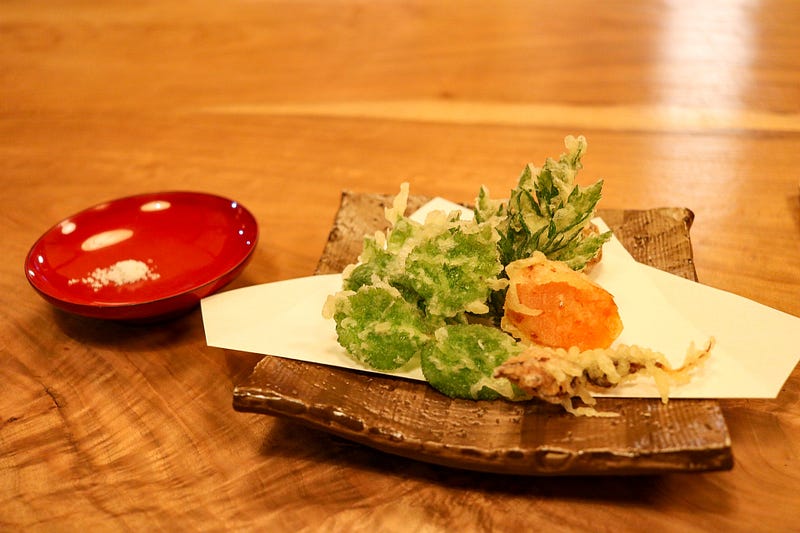
Mountain vegetables prepared tempura style.

Each bite carried the pride of our hands-on contribution to this gastronomic masterpiece.

As we bid farewell, my heart overflowed with gratitude for the warmth and generosity of the people of Noto. Despite the recent earthquakes that shook the northern tip just before our arrival, their resilience and unwavering commitment to preserving their cultural landscape resonated.

As I contemplate the recent earthquake in Noto on January 1st, 2024 — a place that holds profound meaning for me, my heart is stirred with a mix of emotions, buoyed by a resilient spirit forged through my own community’s experience.

Having faced the devastating wild fire disaster on Maui, my home, just last year, I intimately understand the arduous journey of grieving, acceptance, and finding a way to move forward, let alone the energy and hope to do so.

Yet, it’s precisely from that shared place of empathy that I draw hope for Noto’s future. The indomitable strength exhibited by my own community in the face of adversity serves as a beacon, illuminating the path towards renewal and recovery.

It is my fervent belief that the people of Noto, and of Japan, with their unwavering determination and the support of a global community, will emerge stronger, breathing new life into the very essence that makes Noto a cherished and resilient haven.

Should you feel compelled, Robin Lewis shared some ways you can help from afar.
Noto
Japan
Foraging
Foraging For Food
Travel
Recommended from ReadMedium