
Christmas
The Non-Christian Origins of Christmas
Christmas used to be celebrated long before Christianity with a different name; Nardugan. It was a festival to celebrate a cosmic event.
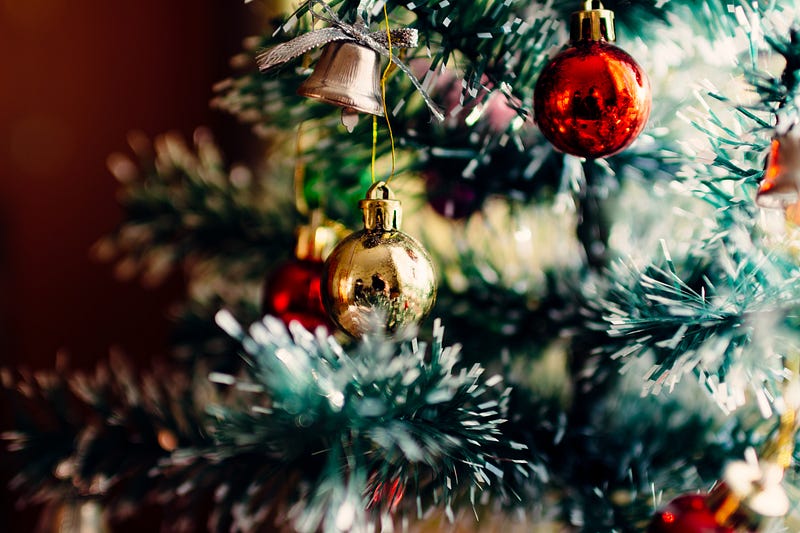
May abundance, abundance, and beauty be with all of us. The end of the year is approaching. In this great time of the year, let me share the least-known pre-Christian roots and origins of the Christmas tradition. You will be surprised.
Please note that this story’s true intent is just to share a historical detail instead of questioning, criticizing, or discriminating the faith, tradition, and customs of my Christian sisters and brothers.
Many things that we blindly think of as true or take as granted have origins beyond our knowledge because life is like a sinusoidal curve with ups and downs with each trend impact the other. Everything is interconnected in the universe and life. Hence, history is also is a chain of interlinked events and traditions with ancient roots.
Nardugan was a pine decoration tradition in ancient Turks.
According to the beliefs of the Turks, before they entered monotheistic religions, there is a maple tree in the middle of the earth. They called it the tree of life. You can see this tree as an image in Anatolian carpets, rugs, and embroidery. Sun was significant for Turks 2400 years ago and even before when they lived in the tundras of Middle Asia in a vast land between the Caspian Sea and the Pacific Ocean. According to their beliefs, it fights day and night on December 22, when the nights are getting shorter and the days are getting longer. After a long war, it gains glory by beating day and night. It is the glory of the sun, its rebirth. Thus, the ancient Turks used to celebrate with grand festivities under the maple tree. The rebirth of the sun was perceived as a new birth. The name of the feast was NARDUGAN or, in other words, nar-dugan. Nar meant sun, and dugan meant rising. During the feast, Turks used to pray to God Ulgen that she gave the sun back. They were placing gifts under the tree so that their prayers go to God; tying mottled ropes to their branches, they wish God for that year.
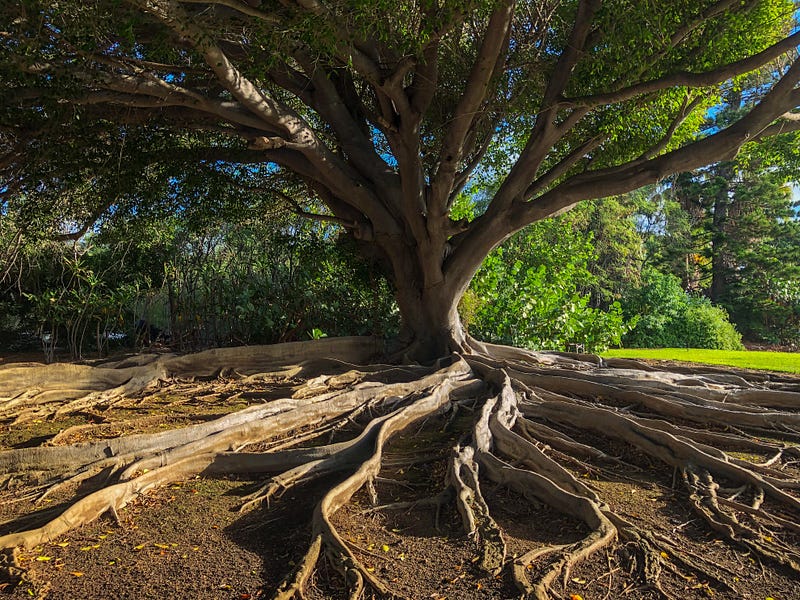
For this holiday, the houses were cleaned. Nice clothes were worn. They sang and played games around the tree. The older adults, grandfathers, and grandmothers were visited; they used to come together, eat, and drink together. They used to eat fresh and dried fruits, special food, and confectionery. When the holiday was celebrated by coming together with relatives, life was believed to increase and bring good luck. The maple tree grows only in Central Asia. Arabs did not know about that tree, so it is said that the festive passed from Turks to Christians, and they got it from the Huns after they came to Europe. Hun Turks established the first Turkish empire in the world 2400 years ago in the north of modern China, and their raids to China led the Chinese to build the famous Great Wall.
Long before Christianity, Nardugan was about the rebirth of the sun. With Christianity, it became a significant festival to celebrate the birth of Jesus.
All religions were built upon the foundations of the previous beliefs, traditions, and customs because they are nothing but a revolution. For any revolution to succeed, it is a must to earn public approval and consent. Religions make it happen by transforming the old traditions and rituals and revising them to meet the new requirements so that people do not suffer a sharp change but a soft transition. Therefore, when Christianity became a religion of the Romans, it was essential to transform the paganic rituals and make people a part of the change.
Whatever has happened in the past has happened and is long gone. The important thing is that billions of people have cherished Christmas as a joyous festival to end the year with appreciation and get ready to welcome a new year full of hope, health, prosperity, happiness, serenity, and love. With love,
Kenan
Join my newsletter to search after truth and expand your consciousness.