
The Nightly Mystery of Dickens: In Search of Lost Sleep
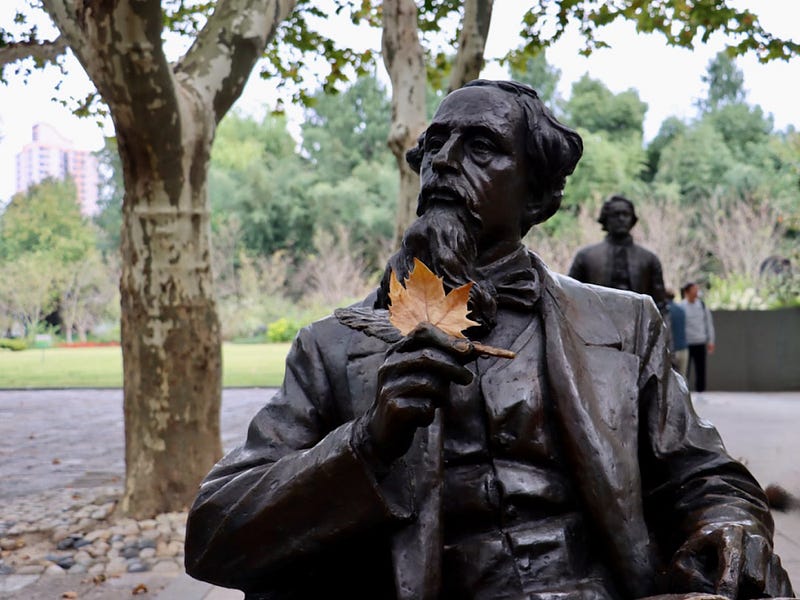
Charles Dickens, the acclaimed Victorian writer known for his timeless works such as “Oliver Twist” and “A Christmas Carol,” was not only a master of prose but also a man afflicted by a mysterious nocturnal torment: insomnia. Countless stories surround his struggle with sleep and the extraordinary solution he believed could solve his problem: resting on a bed facing north, with arms outstretched at his sides.
The Legend of the Insomniac Literary Giant
Dickens, a literary genius, was also a complex individual, with his idiosyncrasies and peculiar beliefs. The insomnia that plagued him was not a well-guarded secret but rather a well-known aspect of his private life. It is said that he was tormented by sleepless nights, where sleep seemed an elusive illusion.
The Hunt for a Solution
But what path did Dickens take to conquer this nocturnal demon? His solution, at least according to the legends surrounding his name, was as singular as it was captivating: lying down on a bed with arms outstretched and the head pointed north. This ritual, according to Dickens, could induce sleep and defeat the insomnia that haunted him.
The Mystery of Northward Orientation
But why north? The answer to this question is shrouded in mystery and speculation. Some argue that Dickens believed that facing north could harmonize his spirit with the Earth’s magnetic forces, thus inducing a deeper and more rejuvenating sleep. Others speculate that this practice was rooted in ancient beliefs or superstitions, or even simply the product of the imagination of an eccentric man.
The Science Behind Sleep and Orientation
While modern science offers a deeper understanding of sleep and its mechanisms, the idea that northward orientation could influence sleep remains largely a matter of speculation. However, it is interesting to note that some research has suggested that exposure to the Earth’s magnetic field can influence circadian rhythms and sleep quality in some individuals, although there is no definitive evidence that bed orientation significantly impacts these processes.
The Legend Lives On
Despite the passage of centuries, the mystery of Dickens’ insomnia and his strange solution continues to captivate people’s imaginations. His life and works remain a source of inspiration for many, and his personal struggle with sleep adds an extra layer of intrigue to his legend.
The story of Charles Dickens and his battle with insomnia not only offers us further insight into the life and character of one of the greatest writers of all time but also a broader reflection on the nature of sleep and human oddity. While we may not know for certain whether northward bed orientation was truly the key to Dickens’ sleep, what we can certainly say is that his legendary approach to nightly rest remains a fascinating enigma that continues to intrigue and inspire.