
The Night I Had Dinner With Denzel
It was one of those chance experiences you remember forever
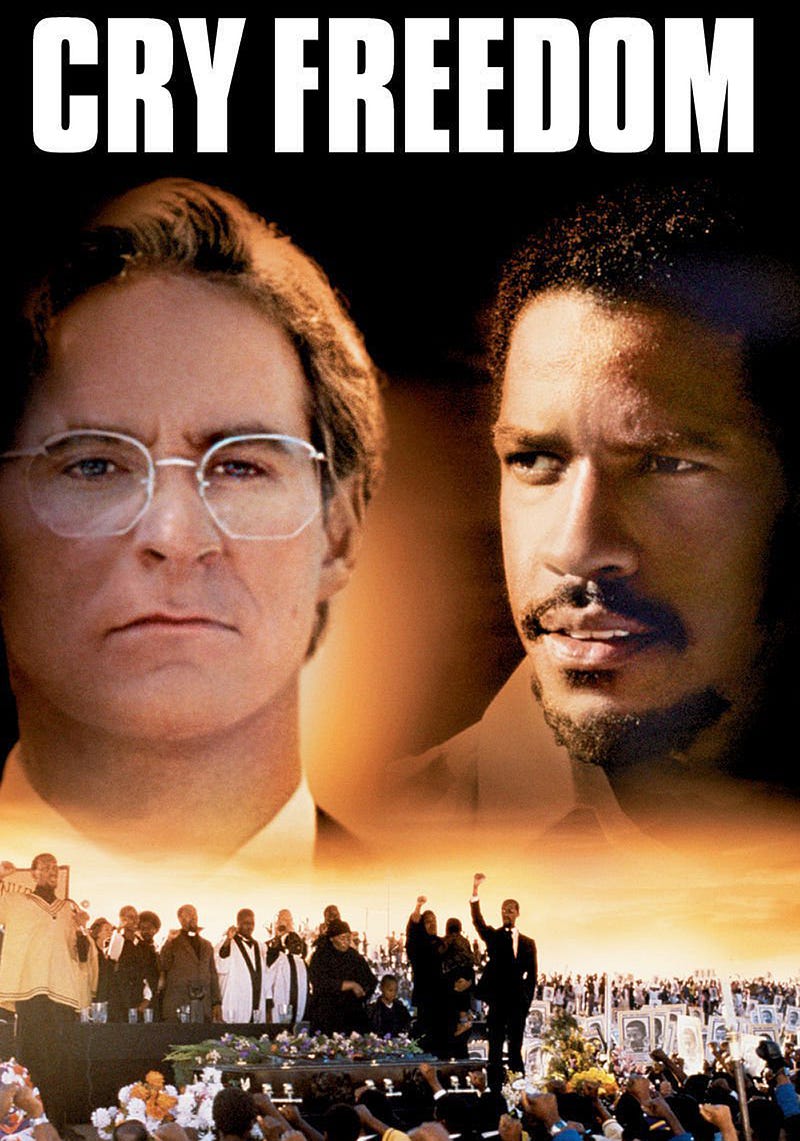
Anyone who knows me at all well will at some time have heard me telling my Denzel Washington dinner date story. It happened over 30 years ago when I was invited, along with twenty or so other journalists, to a big hotel in central London to interview the actor who was promoting his latest film Cry Freedom, (Dir: Richard Attenborough, 1987) in which he played South African activist Steve Biko.
Up until then, his biggest role was as Dr. Philip Chandler in St. Elsewhere, but he was beginning to make a name for himself in film.
I was waiting for my turn to interview him in a state of quiet excitement when Denzel’s publicist came up to me: “Mr. Washington hasn’t eaten for hours and needs to have dinner, but still has interviews to get through. Would you mind doing your interview with him over dinner? UPI will, of course, be paying for your meal.” I stared at the woman as if she’d grown three heads — was this a trick question? Of course, yes, please!
And that was how I ended sitting across a hotel restaurant table with Denzel where between courses we talked about his new film, his career and how it all got started, how life as a Black Briton differed to that of African-Americans, and much else besides.
I stared at the woman as if she’d grown three heads — was this a trick question?
We also talked about what it was like to be parents — I had a baby daughter and he a toddler son and a baby on the way. He was open and happy to share that he missed his family. Yes, he was enjoying the work that was now coming his way, but not the time it took him away from home.
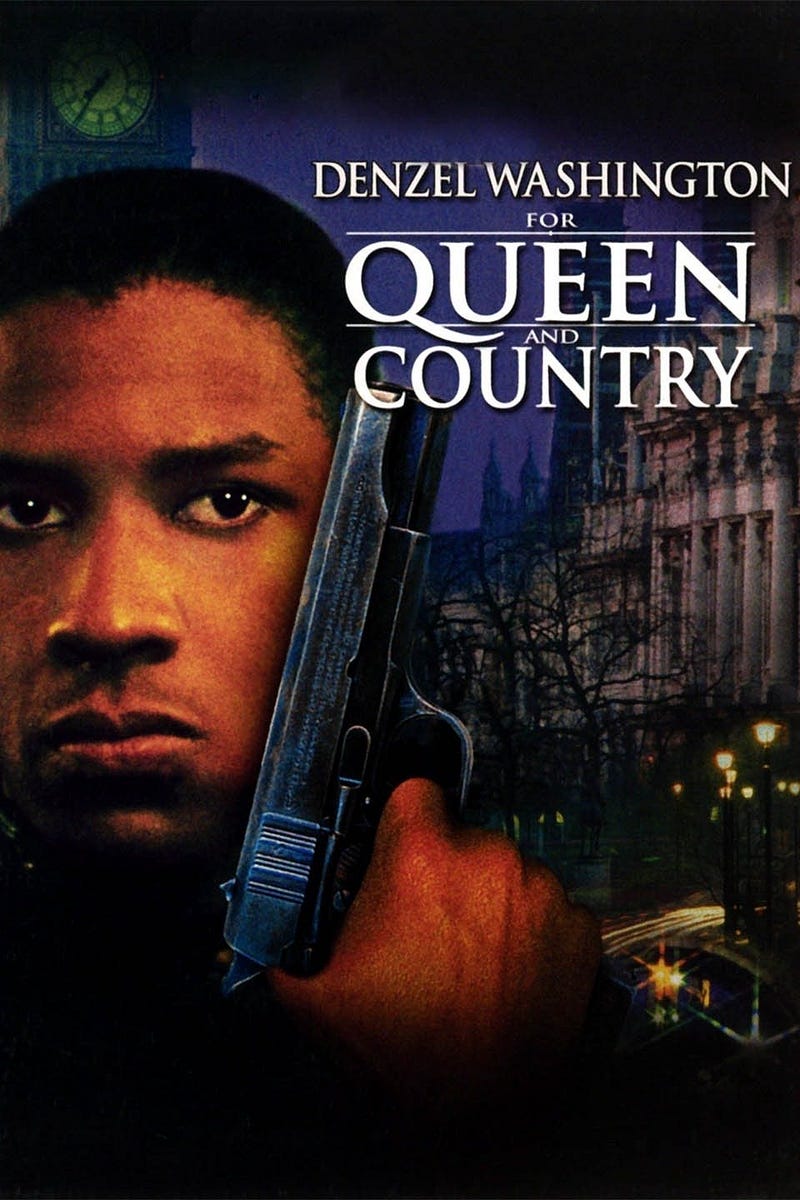
One of the issues he was struggling with, he shared, was an offer he’d just been made to stay on in England and film a post-Falklands war movie For Queen and Country, in which he would play the role of a British soldier. Firstly, it would mean staying away longer from his family, and secondly, would he face criticism as an African-American playing a Black Brit?
Ultimately, he took the part — he wasn’t yet in a position to turn down work. Though he did face criticism, mainly from Black British actors who thought the part should have come to one of them and it wasn’t a box office hit, For Queen and Country (Dir: Martin Stellman, 1988) remains notable as a post-Thatcherite critique of Great Britain, and for having ill-fated Stephen Lawrence as an extra.
What I remember most is how humble Denzel was; how unimpressed he was with Hollywood, fame, and money — except where it could make what he called a ‘difference.’ He was proud that he’d been able to buy his mother a new home, and help causes he believed in.
Yes, he was enjoying the work that was now coming his way, but not the time it took him away from home.
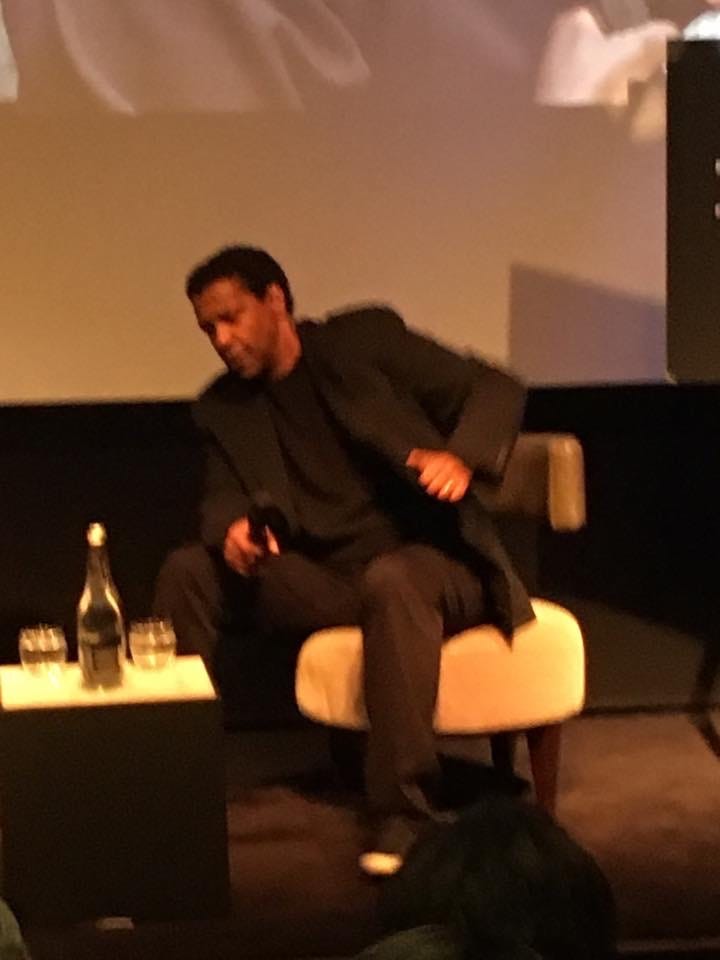
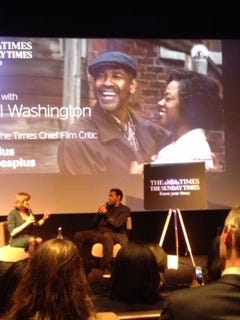
Flash forward to 2017, at the screening of his third directorial offering, the movie Fences, and I got another chance to ask Denzel a question. Now that thirty years have gone by, what is he now most proud of?
Here is his response:
I use affirmations to rise above the fray; get yours here:
©️marla bishop 2019
Marla Bishop is a writer and relationship coach. She lives in London UK with her husband and youngest two children, plus Ellie the collie cross & Sparkle the goldfish. You can read more of her writings here: Lilith
This story was posted on An Injustice! A new publication geared towards voices, values and identities. Check here for how to input your perspective!


