
The Next Phase of the Human Experiment
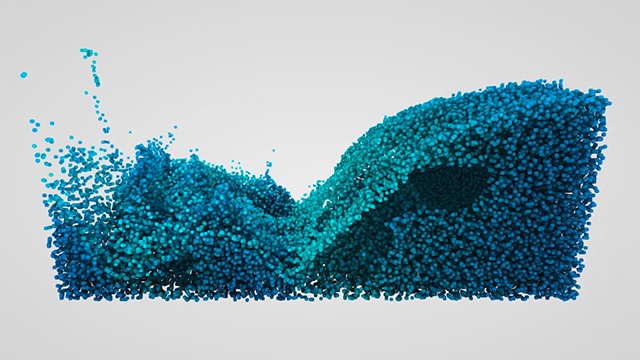
“Another world is not only possible, she is on her way. On a quiet day, I can hear her breathing.”
― Arundhati Roy
What is the world that wants to be born?
What is the future that needs to be born, such that the problems of the present are transformed and transcended?
For a long time I could feel it as a whisper on the wind and in my heart. I felt it when I was organizing at Occupy Wall Street, or living at the Monastic Academy. Sometimes I feel it in the midst of a beautiful conversation or alone in the woods.
I’ve felt it for a long time, but I could never explain it.
This is now changing. The world that wants to be born has entered into a new trimester; we can, if we look closely, see it’s form taking shape.
I’ve found it useful to frame this emergence through the lens of David Chapman’s ‘fluid mode’. For me, this mode of being in the world is so much more satisfying than I previously experienced. The depth of experience has returned, the meaning of life has been revivified, the overwhelm of our Information Age marginalized. There is space for the sacred.
What follows is a list of individual perspectives that I see as translations of various aspects of the human experience into and through fluid mode consciousness. These perspectives grew up in isolation, but are increasingly beginning to enter into conversation with each other. Here I want to name them and point in their direction, and let those who see this breadcrumb trail follow what they are called to follow.
- Distributed Autonomous Organizations and Holacracy are expressions of the fluid mode embodied in organizational structure.
- Ido Portal’s approach to movement is an expression of the fluid mode embodied in movement practice.
- Rob Burbea’s teachings on the Imaginal is an expression of the fluid mode embodied in contemplative practice and spirituality.
- Tiago Forte’s ‘Building a Second Brain’ is an expression of the fluid mode embodied in the domain of personal productivity.
- The Listening Society is an expression of the fluid mode embodied in political theory.
- Metamericana is an expression of the fluid mode embodied in poetry.
- Networkologies is an expression of the fluid mode embodied in philosophy.
- Finding Our Sea Legs is an expression of the fluid mode embodied in ethics.
Future writings will unpack similarities I’ve noticed across these different perspectives. This can help us see more clearly the world that needs to be born.
For instance…
🌊 The Liquid Mind 🌊
Each of these models or perspectives speak on behalf of the importance of meditation or contemplative practice.
Why is this?
I believe that the fluidity of Chapman’s ‘fluid mode’ is the natural expression of the liquid mind.
The mind is made liquid by seeing emptiness.
Emptiness refers to the fact that what we see in the world depends on our way of looking.
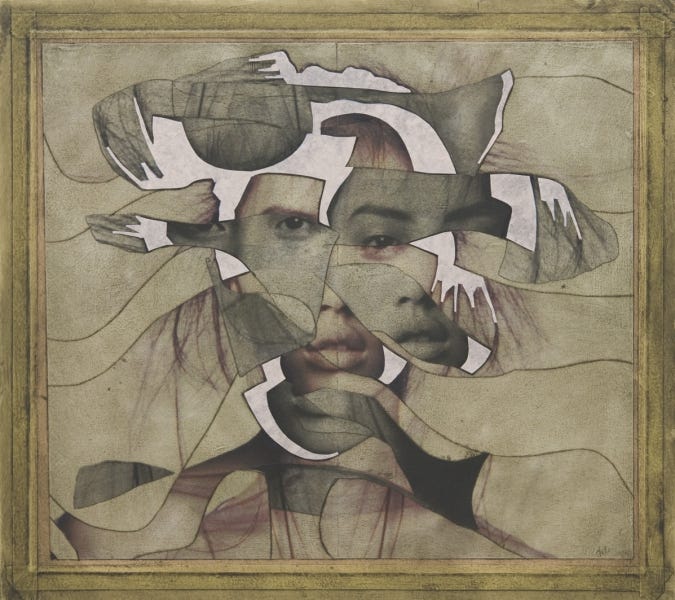
When, through contemplative practice, we become intimate and versed in the revelations of emptiness we naturally abide in a more fluid mind.
The more we get to know the empty nature of all things, the more fluidity we achieve and embody.
As we embody more fluidity we begin to sense rigid perspectives and ways of being in the world as limiting, boring, and two-dimensional. We instead discover and create methodologies, practices, ideas, books, relationships, etc that are supportive of ever more skillful fluidity.
This fluidity will, with time, come to express itself in every domain of human experience.
This next phase of the human experiment is what needs to be born now.
Those of us with eyes to see and ears to hear must together discover and create more expressions of this understanding.


