
The Next Generation of Textbooks
How E-Books could change the way students learn inside and outside the classroom.
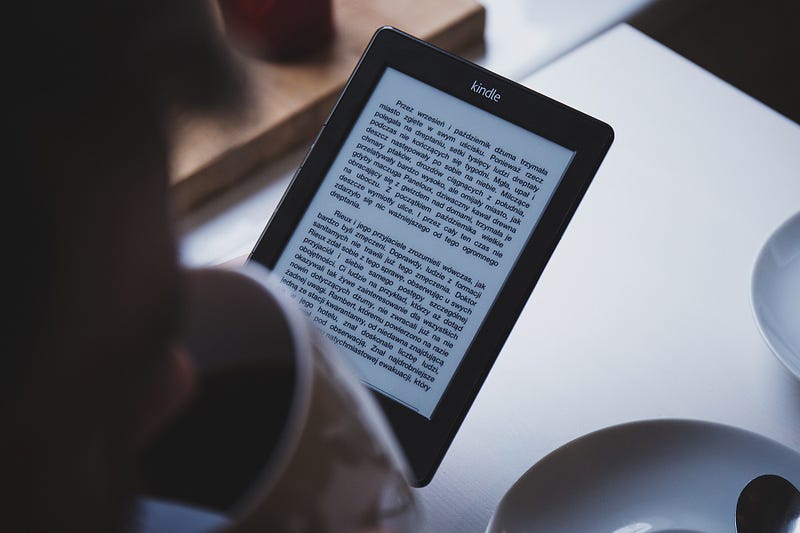
E-books, more than printed literature, permeate the current landscape of the book industry. With the harsh realities of COVID-19, the resulting shutdowns, and industries forced to close or shift to online platforms, the spike in e-book sales doesn’t come as a surprise. Bookstores closed their doors in early spring, and dedicated readers responded by purchasing e-books to fight off boredom while following their state’s stay-at-home orders. Readers also worried about the risk of infection as physical books passed from person to person. Instead, buying e-books was a much safer and healthier alternative.
Even before COVID, the last decade has moved books further away from print and closer to digital. One effect of this shift has been to publish some titles exclusively as e-books. Also, the advent of e-books has made the digital versions of some works cheaper than their printed counterparts. Yet, the most noticeable effect of this new digital age was the development of software that fostered interactive reading experiences. I believe that the future of e-books lies in these interactive texts as they have the potential to be the next generation of textbooks.
Exactly nine years before the March 2020 shutdowns, Mike Matas and his team at Push Pop Press attempted to revolutionize the way the public read e-books. Most e-book displays are linear, only allowing the reader to read the typed text and swipe through each chapter. By partnering with Melcher Media and Al Gore, Push Pop Press released an e-book that distinguished itself from the options available through Kindle or Nook. According to Matas’ March 2011 TED Talk, the company infused Al Gore’s book “Our Choice” with interactive technology to “[explore] all the solutions that will solve the climate crisis” (Matas, A next-generation digital book). Interactive maps, infographics, and documentary films narrated by Al Gore accompany the traditional text in each chapter.

In his TED Talk given in March 2011, Matas explained that the goal of this beta test was to “[build] a tool that makes it easy for publishers right now to build this interactive content” (A next-generation digital book). I’d be interested in seeing how well this tool works with different authors and publishers, namely those in the textbook industry. Push Pop Press could partner with textbook authors and publishers to bring a fresh and creative product to the market.
However, the company has since removed itself from the book publishing industry. According to Push Pop Press’ website, the company aligned its goals and technology with Facebook and distanced itself from further publishing digital books (Matas, Acquired by Facebook). Although Push Pop Press won’t release any new novels, imagine how this technology could usher in the next wave of textbooks and change the way public school students receive, learn, and retain information.
Students are much more familiar with the technology of e-books, with some of them preferring digital text over its printed counterpart. In her article for CBS News, “Books vs. e-books,” Amy Kraft briefly mentions a study from 2014 that examined tenth-grade students’ preferred reading mediums. Kraft explains that the lead researcher of the study, Åse Kristine Tveit, found that “boys and those who did not care much for reading also shared a strong preference for e-readers” (Kraft).These findings could make a world of difference for frustrated teachers and apathetic students. Teachers would have the opportunity to foster creative reading environments, and students may find themselves more motivated to engage with their textbooks.
Furthermore, students who struggle with staying focused may benefit from the multimedia infused e-textbooks. The students who are primarily visual and auditory learners might better retain the information gleaned from their textbooks. In addition to the learning advantages of an e-textbook, transitioning from print to digital could be more convenient for students. They would go from lugging around heavy hardcover textbooks to accessing hundreds of pages in the palm of their hands.
If textbook publishers employed the software developed by Push Pop Press, then they would eliminate the need for school districts to provide students with e-readers. The technology developed by Matas and his team isn’t only compatible with e-readers, iPads, or the like. Push Pop Press and Melcher Media built this software to allow readers “to start reading on [the] iPad…then pick up where [they] left off on the iPhone” (A next-generation digital book). While this fact eliminates the need for e-readers, one other barrier still exists: not every student owns an iPhone. So, if developers could make this software compatible with all mobile operating systems, then e-textbooks would be much more accessible.
Granted, this is not an easy task for developers and would require a lot of time, talent, resources, and an expansive team. Either way, in the age of COVID and virtual learning, the ability to download a textbook onto any smartphone would better prepare students for future disruptions to in-person learning.
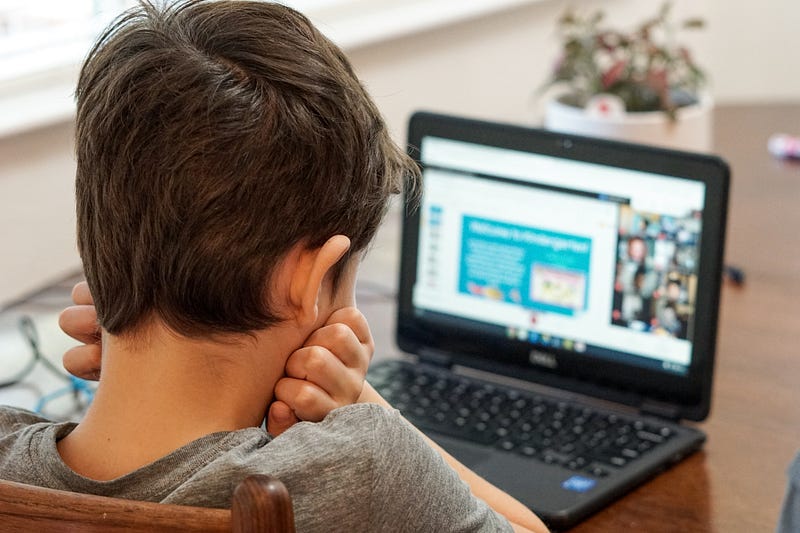
Although I’ve spent most of this piece predicting positive outcomes from the surge in e-book development, it would be remiss of me not to explain how e-books could negatively impact students. Students run the risk of straining their eyes while up late at night studying material from a screen. Amy Kraft points out that “high levels of screen luminance from an electronic device can contribute to visual fatigue, a condition marked by tired, itching, burning eyes” (Kraft). Eye strain and exhaustion are detrimental to anyone, specifically to a young student and his or her sleep health. In that same CBS news article, Kraft doubles down on that point by appealing to the expertise of reading and education specialist Dr. Margaret K. Merga. Merga argues that the light from e-readers could keep readers from falling asleep. Sleep-deprived students will eventually be unmotivated to learn and have trouble retaining the information they read. Furthermore, there are other challenges and questions that e-books create.
One must also ask several questions about the profitability and affordability of using this technology to make textbooks. Educational publishers like Pearson, McGraw-Hill, and Houghton Mifflin Harcourt must consider the cost of production. These companies are already losing money because of the organized sale of used books.
Could the wholesale of e-textbooks to school districts siphon off hundreds of thousands of dollars from these publishing groups?
Is it cheaper to develop an e-textbook?
Or would publishers save more money producing textbooks in print?
How would the purchasing of e-textbooks affect a school district’s budget?
Would underfunded schools miss out on the opportunity to give their students these types of e-textbooks?
Ultimately, there seems to be a lot of promise when considering the rise of e-books in the lives of avid readers and public-school students. Whether the technology of Push Pop Press becomes the norm is a mystery. However, I do believe that two things are for sure: E-books are here to stay, and the increase of virtual learning in the wake of COVID will require numerous amounts of technological advancements.
Works Cited
Kraft, Amy. “Books vs. e-books: The science behind the best way to read.” CBS News, 14 December 2015, https://www.cbsnews.com/news/kindle-nook-e-reader-books-the-best-way-to-read/. Accessed 31 Oct. 2020.
Matas, Mike. A next-generation digital book. TED, Mar. 2011, https://www.ted.com/talks/mike_matas_a_next_generation_digital_book?language=en. Accessed 31 Oct. 2020.
Matas, Mike. “Push Pop Press Acquired by Facebook.” Push Pop Press — Al Gore’s Our Choice, Push Pop Press, pushpoppress.com/about/. Accessed 03 Nov. 2020.