
The ‘New Normal’ Is Filled With Social Anxiety
How do we cope in these familiar situations?
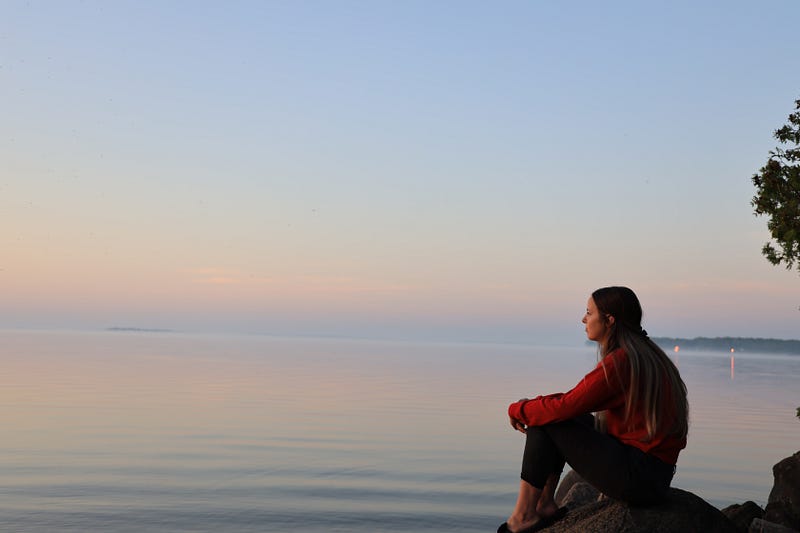
With more vaccines being distributed daily and regulations creeping to a close, most people are rejoicing. The phrase #hotgirlsummer is trending, festivals are selling tickets, and everyone is impatiently gazing at the end in sight. Whilst many are eager to return to ‘normal, or at least the new version of it, others fear it, and a surge in social anxiety accompanies this.
A year is a long time, and so a year without large events has led people to grow too accustomed to smaller groupings and virtual contact. A habit is easy to pick up and easier to lose, so we struggle to regain social habits that allow us to co-exist and thrive. Simple things like small talk, eye contact, and meeting new people feel like mountains looming ahead of us, and it’s worsened by how alone we feel in this experience.
We feel ungrateful to be scared and resenting the change as if we’re profiting off a pandemic that caused so much pain and loss. But this guilt only fuels the rising social anxiety and introvert tendencies as we prepare to throw ourselves back into who we were a year ago, negating who we’ve become since.
“Whether you were already socially anxious before the pandemic, or you are developing social anxiety as a result of being in isolation, the prospect of returning to society can feel daunting to even the strongest person.” — Arlin Cuncic, Very Well Mind
Pre-existing social anxiety
Whether you struggled with social anxiety, were a deep-seated introvert, or merely felt discomfort in larger group settings, it’s okay if you felt relieved in the pandemic. Don’t get me wrong, everything that happened is awful, and if I could change it, I would without a second thought. But a sliver of silver lining lay in this new time alone. Those who struggled to cope with daily expectations and social situations found comfort in the silence and cozy nature of our homes. We were no longer expected to make small talk at the water cooler, which kept me from getting a drink until my throat was too dry even to speak. The world became really scary, and we embraced the haven of our homes. We missed things, as everyone did, but we also adapted quickly to this slower pace. And now that we’re adjusted, it’s going; the rug is being pulled from under us.
Roughly 12% of Americans are diagnosed with social anxiety disorder, and a far larger amount are introverts or those uncomfortable with social settings. Restrictions are being lifted, everyone is preparing to go all-in this summer, and we’re terrified of it. We got to see what a quiet life would look like, and now we’re expected to jump to the other extreme.
No screen between
You grow so familiar with how people look on a screen that it can almost be unnerving to see them in 3D suddenly. Having someone behind a screen gives you an increased amount of personal space, a distance. You can fidget or have your habits without them being present on the screen. It’s easier to choose how long you’ll talk for, as you can then make an excuse and leave. This isn’t about the other person or what you think of them, but rather your own social battery and needs. I get drained after spending hours with someone, so a call is perfect as I can give my full attention and energy and then recharge afterward. I’m an introvert that performs as an extrovert, so social situations require a lot of me. My BPD leads me to have fluctuating moods and intrusive thoughts, and controlling this whilst I’m with others is exhausting. I struggle to maintain the base level required and expected of me.
Seeing people again is submitting to longer social exchanges, as you don’t want to go out of your way for half an hour or even a rushed hour. I’m living in the years after graduation where everyone is creeping further and further away, so dinner with a good friend can mean an hour on the train to get there or travel even further and stay a night. Seeing people from home lets me always be in my comfort space, and I fear losing this, as do others.
I asked two friends how they felt about the loss of screens in social interactions and received differing responses. Floris claimed that he was intimidated by the increased level of eye contact in situations. During COVID, you avoided people on the street and kept a distance, thus not requiring much personal contact. Even on video calls, you could look away easier and feel less intimidated by their gaze. He struggled with things that used to come so normally, like meeting someone’s eye contact and focusing only on them.
In contrast, Sander was relieved to be seeing people more. He is the definition of a social butterfly, so I wasn’t too shocked to hear this, but his explanation surprised me. He struggled with the public speaking situations presented through working online. He found it harder to hold meetings or lead a presentation when it was over a screen. I had preferred doing this, but then again, my job in marketing never required it to the formal extent that his role would. Sander noticed a higher stress reaction when speaking over a video call than in person. I think it may lie in his extroverted tendencies; he is a people person and draws from those around him. The lack of expressions and energy surrounding him makes it difficult for him to grow comfortable, and maybe he prefers the crowded room over the silent one.
Not to mention that many of us feel pressured by appearances post-lockdown. While most people gained weight during the lockdown, which is understandable, there was also a trend towards using this time to ‘get fit. With the emerge of #hotgirlsummer coming, many of us are terrified of summer clothing and big groups of people seeing us in them, this author included. The BBC discussed this pressure to leave lockdown looking better than ever, which is unrealistic given the collective trauma we’re experiencing.
Large gatherings
A new joke amongst my friends and others is the shock evoked from films involving proximity between characters. These stories are set in a world without COVID, and yet the minute we see them shake hands or stand shoulder to shoulder, we’re horrified. It takes a moment or two to remember that Gossip Girl existed long before COVID did — and will probably exist long after!
This horror emerges in a different sense when spotting larger crowds in real life. We’re accustomed to being both disappointed and repulsed by the sight of large crowds, relating it to irresponsible individuals defying regulations to the extent that we can’t accept them now. In many countries, larger gatherings are becoming more possible due to vaccinations and changing regulations.
My sister described the “gnawing feeling” she gets in her stomach at the mere sight of it. They're feeling that they’re dangerous or even illegal when they’re following all of the required regulations in actuality. But our minds seem to be moving slower than the law can, retaining the right and wrong set for the pandemic better than the time that preceded it.
This is only worsened when the large gathering involves us. Individuals dread these bigger group events as they’ve grown unaccustomed to juggling so many individuals at once. The highlight and downside of the pandemic were being restricted to one-on-one interactions. We missed the anonymity of a crowd or the chance to connect with several people in one place. But some also got the silver lining of uninterrupted time with those closest to you.
The idea of walking into a party makes me feel nauseous. I’ve always been prone to social anxiety, most commonly found hiding in a kitchen of the party and rearranging the pantry. Post-pandemic, the idea of walking into a party isn’t just scary but impossible. To have so many different sources of conversation around me, so many individuals to juggle at once, seems out of my ability.
I have lost all of my small talks. Even if I knew how to make casual conversation, I would have little to insert into it. How do you describe what you’re doing when you’re not doing anything? How do you talk about recent events when there have been none? I fear the same mundane conversation being held on repeat, where we all clear that we’ve done nothing, and nothing has happened, and indeed the pandemic sucked.
Small groups
I asked Floris how he felt about reentering social groupings, and he said that he looked forward to those parties and big gatherings. He had always seemed comfortable in these settings, seamlessly adapting himself to what each person expected of him. It was the opposite of how I feel, the gnawing fear of being surrounded by strangers after months with only my closest friends. But then he clarified that whilst he looked forward to crowds, he was more afraid of smaller groups, and here’s why.
In big groups, you have the option to fall silent and to listen. If you have nothing to update on, you listen to the other updates, and nothing more is required from you. But in a smaller group, you’re more aware of your contribution or lack thereof. You grow too aware of your body language and the need for eye contact. The anonymity of a bigger gathering is more welcoming as the spotlight is reduced.
Smaller groups require a more adept conversation, more to be said, and duty from both conversation partners. Floris, and many others, fear having this with people they didn’t see much during the pandemic. So little to update on and so much time to fill. It feels like meeting a familiar stranger, a sensation that would make anyone nervous.
How to adjust to the ‘New Normal’ of social expectations
- Start leaving the house every single day. This is something you should do anyway, but now more than ever. Make short trips, if only for a walk or trip to the grocery store. Instead of being practical and trying to do everything at once, split these trips up, so you go out for one task at once. This increases your social exposure and allows you to build things up.
- Go to places where you’ll be returning soon, if only to grow familiar with the area. Try out your commute, walk past your office, or walk past the busier streets.
- Remember that it is the NEW normal, not the old one. You don’t have to go back to ways that made you miserable. Work out how often you want to see people, how many social events you can handle in a week, and stick to that.
- Practice saying ‘no.’ It’s the most freeing word in the dictionary. Say ‘no’ to things you’re not ready for or ones you don’t enjoy.
- Remember that you can still choose to call someone rather than see them. Don’t switch all social commitments to in-person, and instead create a mix of them. You can still phone a friend for a chat, write a letter or do an online pub quiz. This pandemic has taught us how much can be done online, and whilst many aspects are far better in-person, others are nice and can be kept!
- Keep an eye on yourself and your limits. It’s helpful to keep a little journal so you can see when you’re overwhelming yourself or what you need. Try to carve out time for yourself by setting a meeting in your agenda like you would with a friend or work commitment and sticking to it. You can read a book, meditate, do yoga or walk somewhere calming.
- Tell your friends and family how you feel! You’re likely not the only one, and then they know what to expect of you and the boundaries you need.
- I always make a list of things to talk about, more like a comfort blanket if I need it. Suppose you’re worried about having nothing to say about the pandemic; sit down and think about what you can discuss. Is there anything you read or watched that really stood out? Is there something you plan to do in the coming year? What are you looking forward to?
I also recommend checking out these tips for dealing with social anxiety in a Post-Pandemic World.
A year ago, we didn’t know that this world at home could even exist. We went through the motions of these social lives without question, as we had to see people regularly and we had to go to parties. You either go or acknowledge that you’re ‘wasting your youth’ and ‘being antisocial.’ We live in a society constructed for extroverts and overly critical of introverts. But then something truly awful happened, and we were sent home, each time with the belief that it wouldn’t last longer than a month, a summer, until 2021 at the latest.
Whilst I genuinely hope that the end of all this pain is in sight, I’m leaving lockdown a different person to whom I entered it. I’m ready to embrace being an introvert, whether that’s at home or in public. I’m ready to turn down social invites and to have them be on my terms. I’m not wasting my youth by staying home to write or getting up early to go for a walk along the canals. I’m wasting my youth by spending it miserable at a party, hiding in a kitchen, and reorganizing a stranger’s pantry. I’m wasting it by denying who I am and what I need. I’ll be at parties, I’ll maybe even go to a festival, but it will be on my terms, not what works for everyone else. I hope that others can also recognize that this ‘New Normal’ is yours to design, that whilst the fear is understandable, it’s also a neon sign that you need something to change.
Would you like to receive my top monthly articles right to your inbox?
Originally published at https://symptomsofliving.com.