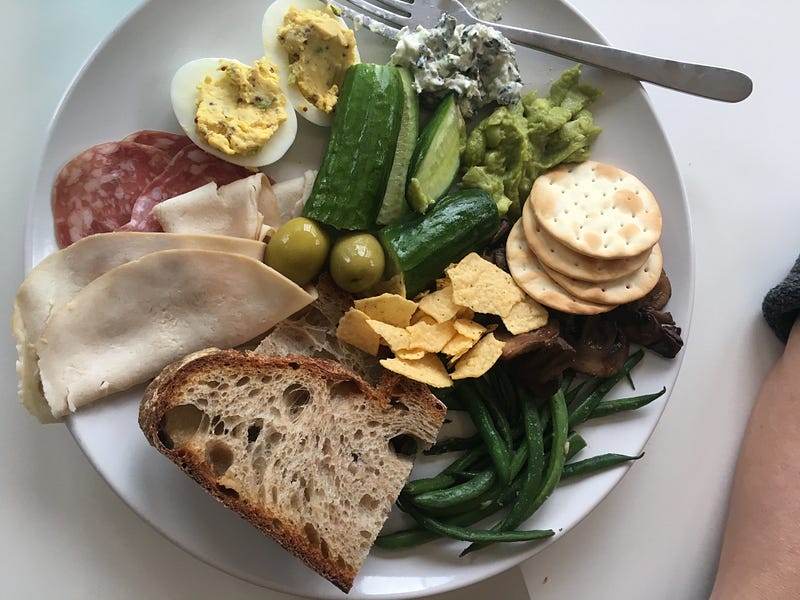
The Necessity of Writer Snacks
Without snacks, I’d never publish a word
You want me to babysit your kid? Take me out for french fries. You want me to water your plants while you’re on vacation? Offer me a bag of those dill pickle chips from Trader Joe’s. I guess you could say I’m easily bribed. Especially when it comes to food. Especially when it comes to potatoes.
It was early on in my writing career that I discovered that while the “writing” part of my job is one I (usually) love (a mode when ambition, imagination, and hope are enough to propel me forward), there are other parts of my work as a “writer” (revision, emailing, managing social media accounts, fixing broken links on my website, etc.) where I need some… motivation. This is where the snacks come in.
My writer friends, especially those who’ve been on a writing retreat with me, will tell you I take these snack plates pretty seriously. When I’m staring down a revision deadline, I fill my pantry and fridge with these snack plates in mind. And when I talk about them, I capitalize the phrase in my mind, because these snacks deserve some respect for all the hours they’ve gotten me to do the stuff I really just don’t want to. That’s right, I call them Writer Snacks.
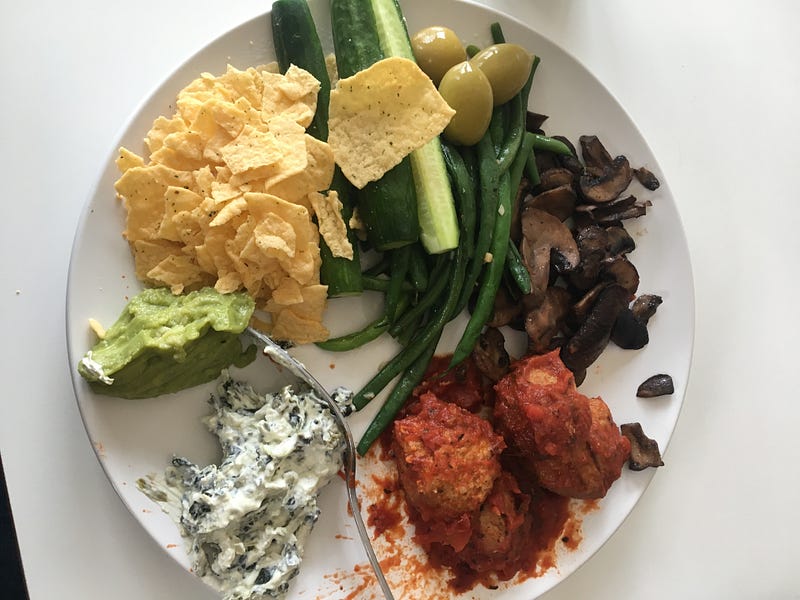
Here are some guidelines for assembling a Writer Snack of your own. Below, we’ll talk about how to eat it (and yes, I have a methodology for that too):
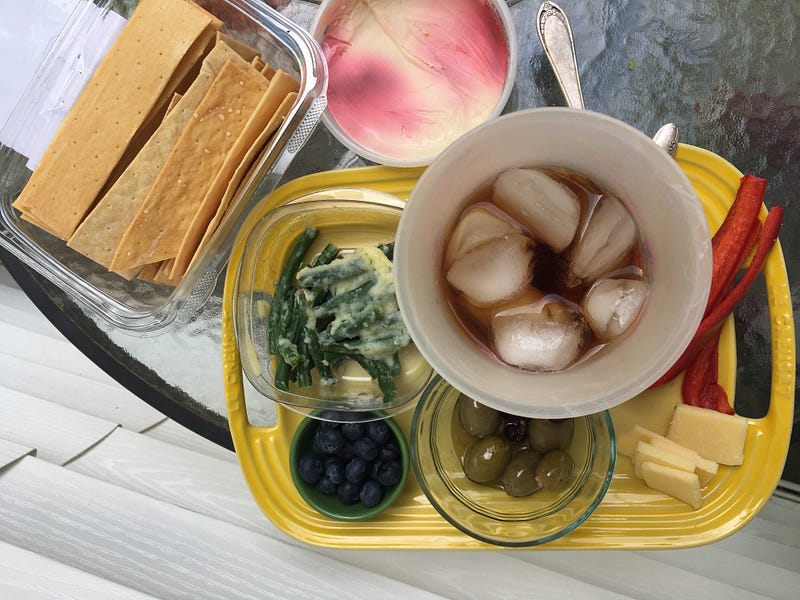
- Pick your favorite plate or platter (I prefer a small, yellow ceramic platter that I found deeply discounted in the sale section of the Le Creuset outlet. It’s got handles on either side and fits perfectly beside my computer on the desk. I don’t often use it for other food, because it’s “special,” aka saved for Writer Snacks).
- Assemble at least four different snacks onto the platter (and up to as many as you want). You can put the snacks into little piles or drop the ones that want to be in pretty little bowls into pretty little bowls (go all out! This is the snack plate that’s going to motivate you to do the stuff you don’t want to! Pro tip: assembling this platter is an acceptable form of procrastination; if you’re anything like me, you’re assembling it after a frustrating desk session, desperate to do anything else. Think of the ten minutes you take to make this Writer Snack as your happy bridge back into your work).
- Let’s discuss the snacks themselves. They need not all be fancy, but one should be a little bit exciting. This is an excellent way to use up leftovers (you shouldn’t be cooking for this snack plate. It should take you ten minutes to put together, tops, but this isn’t a cooking show. This is a writing show where there happens to be incredible snacks). There should be one wild card. There should be at least one crunchy snack. Bonus points for something green. And none of the snacks should be too messy, because it’s best if you can eat with your fingers — it just feels right.
- Put at least one protein on that plate. Brain food. A few suggestions: a hard boiled egg, rolled up deli meat, a fancy bit of cheese from the fancy cheese store, a leftover piece of steak from dinner out the other night…
- Let’s talk crunch. There’s got to be a lot of crunch (wasn’t there some study that said crunchy foods helped you think better? Someone told me that once, and it’s stuck with me — even if I can’t find any evidence of that study. But I’m going to stick with it for now because it makes me feel good). Some ideas: potato chips (duh), romaine lettuce, celery, carrots, cheese crisps, spiced almonds, grapes…
- Get a wild card onto that plate — one thing you don’t normally eat but you think about with excitement (there are a lot of these at Trader Joe’s!): jalapeno crisps, spiced olives, a dollop of pesto to dip things in… sky’s the limit!
- There should be something sweet. I’m partial to those chocolate covered marshmallows that Trader Joe’s makes, but you do you.
- A delicious drink to keep you hydrated (and to give you the chance to get up and stretch your legs on the way to the bathroom in about an hour — another acceptable form of procrastination!) — I’m partial to a big glass of sparkling water over lots of ice. Or an iced tea in a tall glass. Depending on the time of day, wine or beer could work — but remember, the goal is to keep focused, so be sure to subsidize that with a nice big glass of water.
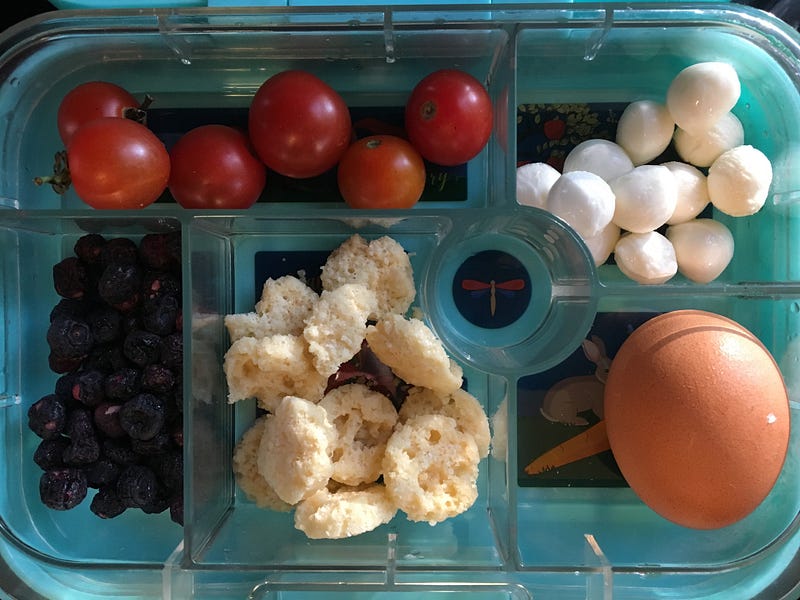
Okay, so you’ve assembled the plate — what next?
This is where things get a little magical thinking-y. There’s a ritual here, and I love it. I bring the Writer Snack to the desk/ table/ couch where I’m working, and I sit down with the snack and open up the computer and take a deep breath and tell myself that I can accomplish whatever this stupid task is that I’m less-than-loving. Then I take a bite of something delicious. Then I read a little and remember where I was, and then I take another bite. I ease back into the work, letting the snack distract me from it, and letting the work distract me from the snack.
It probably looks something like this: Type type type crunch crunch crunch. Crunch type crunch type slurp. Type type type type type. Crunch. Crunch crunch crunch crunch type type type.
A little dance between my fingers and my mouth, a way to keep things bite sized. Usually, it works.