
The Narcissists Wants You To Seek Revenge
They Love The Cat and Mouse Game
Navigating a relationship with a narcissist can be an emotionally taxing experience. These individuals often exhibit grandiosity, entitlement, and a lack of empathy.
One peculiar aspect of interacting with narcissists is their tendency to provoke and manipulate their victims, pushing them toward seeking revenge.
It might seem counterintuitive, but for a narcissist, the desire for revenge serves as a source of narcissistic supply — a way to feed their ego and keep you engaged in their toxic games.
Understanding the Narcissistic Personality
Before delving into why narcissists want you to seek revenge, it’s crucial to understand the nature of narcissistic personality disorder.
Narcissists have an inflated sense of self-importance and an overwhelming need for admiration and validation. They lack empathy and often exploit others for their personal gain.
To maintain their fragile self-esteem, they engage in manipulative behaviors, such as gaslighting, manipulation, and playing mind games.
Why Revenge Appeals to Narcissists
- Narcissistic Supply: The primary motivation for narcissists is to obtain narcissistic supply, which is the attention, admiration, and emotional reactions they receive from others. Seeking revenge provides them with a constant stream of this supply as it keeps you emotionally engaged with them.
- Validation of Their Power: Narcissists enjoy feeling powerful and in control. By pushing their victims to seek revenge, they validate their ability to manipulate and influence others. It reinforces their belief that they are alluring and irresistible.
- Emotional Turmoil: Narcissists thrive on creating emotional turmoil in their victims. Seeing you react emotionally, whether through anger or sadness, is a way for them to feel superior and in control. Revenge is a way to ensure they continue to elicit strong emotions from you.
- Distraction from Their Own Flaws: Narcissists are deeply insecure beneath their facade of confidence. Encouraging you to seek revenge serves as a distraction from their own flaws and insecurities, deflecting attention away from their problematic behavior.
The Cat and Mouse Game
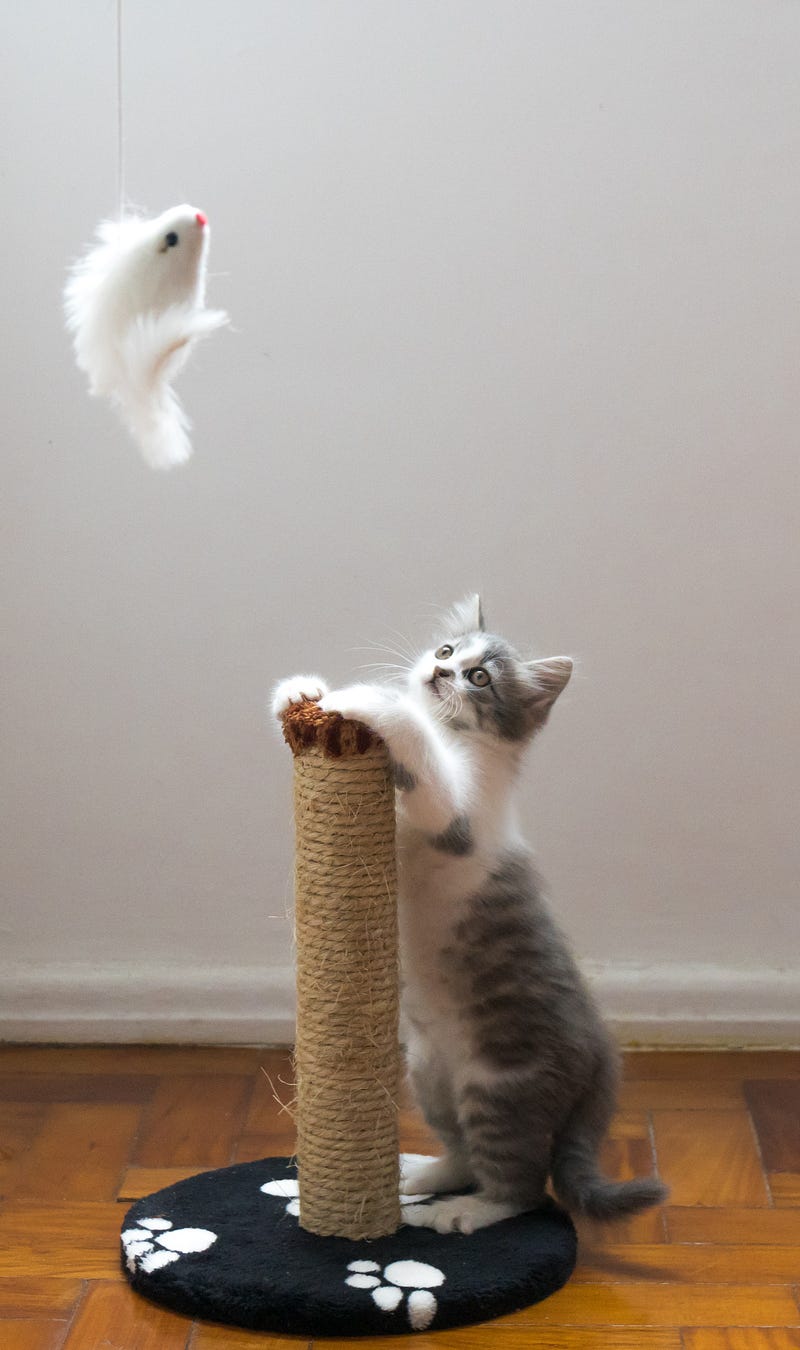
The cat and mouse game is a metaphor that aptly describes the dynamic between narcissists and their victims. In this twisted game of emotional manipulation, the narcissist plays the role of the cat, while the victim becomes the mouse. The narcissist enjoys the chase, the thrill of the hunt, and the power they wield over the victim.
The narcissist’s behavior is marked by unpredictability, intermittent reinforcement, and a constant push-pull dynamic. They might shower you with affection one moment and then withdraw it the next. This rollercoaster of emotions keeps you on edge, making you more susceptible to their manipulation.
When you express your desire for revenge, you are essentially taking on the role of the mouse, trying to outsmart the cat. The narcissist revels in this game because it reaffirms their control over you.
They may goad you into seeking revenge, taunting you with their apparent invincibility. They want you to become emotionally invested in this pursuit, because it reinforces their sense of superiority.
The Destructive Cycle
Engaging in a revenge plot against a narcissist can lead to a destructive cycle that only benefits the narcissist. Here’s how it typically unfolds:
- Provocation: The narcissist provokes you with their hurtful words or actions, pushing your emotional buttons.
- Reaction: You react emotionally, whether through anger, frustration, or sadness, and express your desire for revenge.
- Validation: The narcissist feels validated by your reaction, as it confirms their control over you and provides them with narcissistic supply.
- Escalation: The narcissist escalates their manipulative tactics, making it increasingly difficult for you to achieve revenge.
- Frustration: You become frustrated and emotionally drained, while the narcissist revels in the chaos they’ve created.
Breaking Free
It’s essential to recognize the futility of seeking revenge against a narcissist. Instead of engaging in their toxic games, focus on your well-being and healing. Here are some steps to consider:
- No Contact: Limit or cut off contact with the narcissist to reduce their influence over your emotions.
- Seek Support: Reach out to friends, family, or a therapist who can provide emotional support and guidance.
- Self-Care: Prioritize self-care activities that promote mental and emotional well-being, such as exercise, mindfulness, and relaxation techniques.
- Set Boundaries: Establish and maintain clear boundaries to protect yourself from further manipulation.
Conclusion
Narcissists thrive on emotional chaos and manipulation, and they often goad their victims into seeking revenge as a way to maintain control and feed their egos. Recognizing this dynamic and refraining from engaging in their games is a crucial step toward breaking free from their toxic influence. Instead of seeking revenge, focus on healing and reclaiming your emotional well-being. Remember, the best revenge against a narcissist is living a happy and fulfilled life without them.
Join my mission in helping to combat narcissistic abuse and empower empaths around the world by subscribing to my newsletter “Empathic Warriors United.”