
The Mystery of Coffee
The legal drug that fueled revolutions and makes our western lifestyle possible
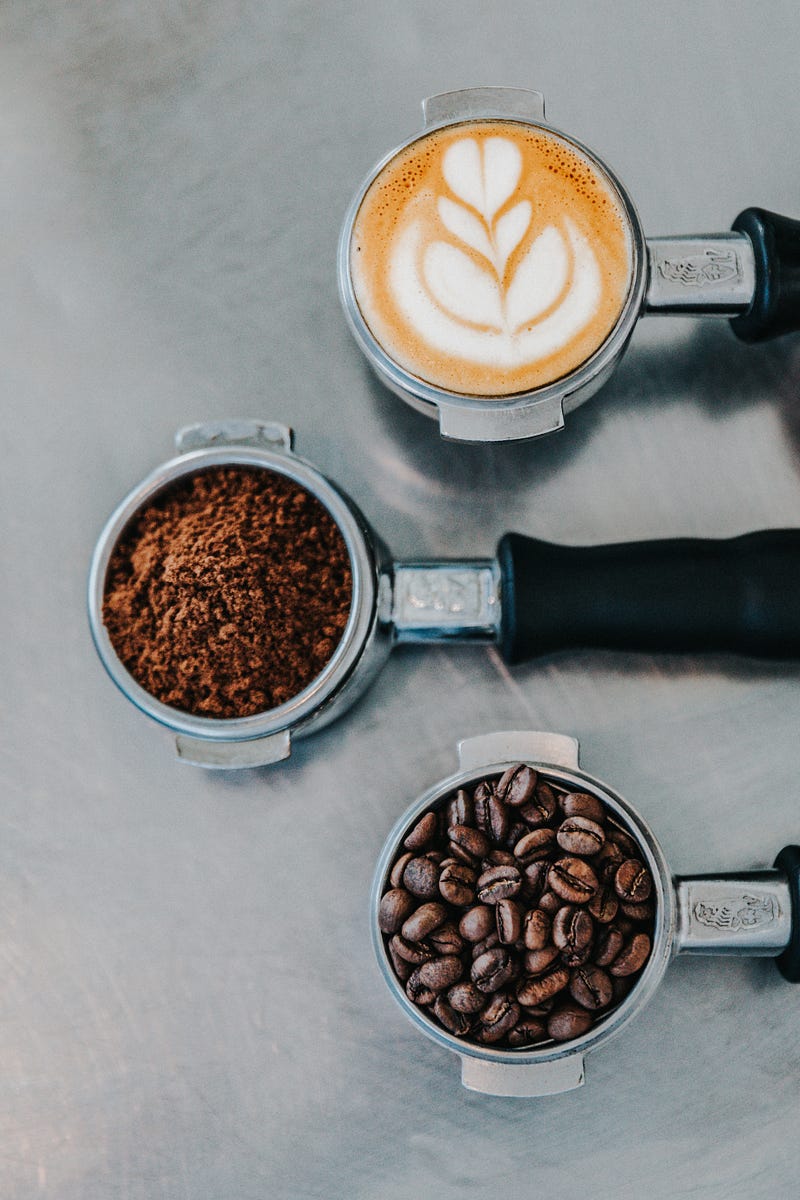
Coffee is one of the most important commodities on the planet. What makes this beverage so special?
Wild coffee plants were first discovered in Ethiopia in the ninth century. At first, raw coffee cherries were crushed and formed into little balls for the warriors so that they had food and increased energy on long journeys.
Later coffee was roasted and made its way to Mecca where Sufi Muslims first used it to stay awake during their long mystical dances. They were persecuted and even killed, however, since coffee was considered a forbidden drug, like alcohol. Later, the same fate awaited coffee drinkers in Constantinople. Repeated offenders were thrown into the Bosporus.
Not even the most draconian punishments could halt coffee’s triumphant advance, however. In the 17th century coffee made its way to Europe, especially to the coffeehouses in Paris, which became a hotbed of revolutionary ideas around 1780.
Ironically, in the 30 coffeehouses that sprang up right around the Palais Royale, such as the Café Procope, French intellectuals and artists developed their democratic ideas and plotted their uprising against the king.
Was it a coincidence that the number of coffeehouses in Paris increased right before the French Revolution? Did coffee fuel revolutions? The idea is intriguing.
Coffee houses were places of stimulating conversations and novel ideas. The German word Kaffeeklatsch (coffee and gossip) also suggest other illicit and scandalous behavior. A coffeehouse is a place where people can discuss anything freely without being controlled and monitored.
A coffeehouse even gave women a way to meet for a cup of coffee with other women, to get out of the house and participate in the discussions.
The French revolution encouraged other uprisings against royal despots in northern Europe, and that probably would not have happened if the population had not been willing to change its favorite beverage.
The Europeans really did need something to wake them up. In the centuries before the French revolution northern Europeans drank mostly beer. Since water was often dirty and polluted, alcohol was safer, and the average person consumed three liters a day. Soldiers were even entitled to five liters.
Yes, beer then contained less alcohol, but people consumed beer all day long — beer soup in the morning and a roast cooked in beer for dinner. Even pregnant women and children consumed beer.
It could be considered then that without coffee, Europeans such the English and Germans would have been in a constant mental fog and would have remained in the Dark Ages, definitely not in the right mental shape to start an industrial or political revolution.
What about the New World? — After the Americans tossed all the tea into the harbor and turned to coffee, they wrote the Declaration of Independence in a New York café.
What is not controversial at all is that the industrial revolution could not have happened without this stimulant. Employers realized quickly that coffee breaks increased productivity and safety in the difficult working conditions of the industrial age.
How does coffee work exactly? Any coffee drinker knows it is not just the caffeine. It’s the aroma, the anticipation of the pleasant hot liquid, the warm coffee cup on a cold winter morning.
The key ingredient in coffee, caffeine, stimulates the central nervous system, makes us more alert and affects our brain. Like alcohol, it quickly goes from the blood to the brain.
Professor Andreas Bauer, head of the Institute of Neuroscience and Medicine in the research center of Jülich, Germany, was the first to observe the effects of caffeine on the brain in real-time.
Coffee improves memory, logical reasoning, and mathematical ability. Coffee contains over 1000 substances, however, and not all of them are even known. The total effect of a cup of coffee on us is therefore still a mystery.
It is quite clear though to anyone who stumbles out of bed at six a.m. that our modern eight-hour workday (let alone our 24/7 existence) might collapse without coffee. We now consume two billion cups of coffee every day worldwide. Many people use more than one stimulant. I have never seen a chamomile tea drinking smoker. People who smoke prefer coffee.
Not everyone likes coffee the traditional way — hot, black, and bitter. Therefore, we have many and ever-increasing coffee drinks, often several a day. It seems we need anything we can legally get our hands on to wake us up so that we can make it through the day.
I think I will have another cup of coffee now.