
The Mysterious Woman’s Suicide That Resulted In MLB Star Rogers Hornsby Inheriting A Fortune
One of baseball’s greatest players made headlines after inheriting a large amount of money following a woman leaping to her death from a hotel window
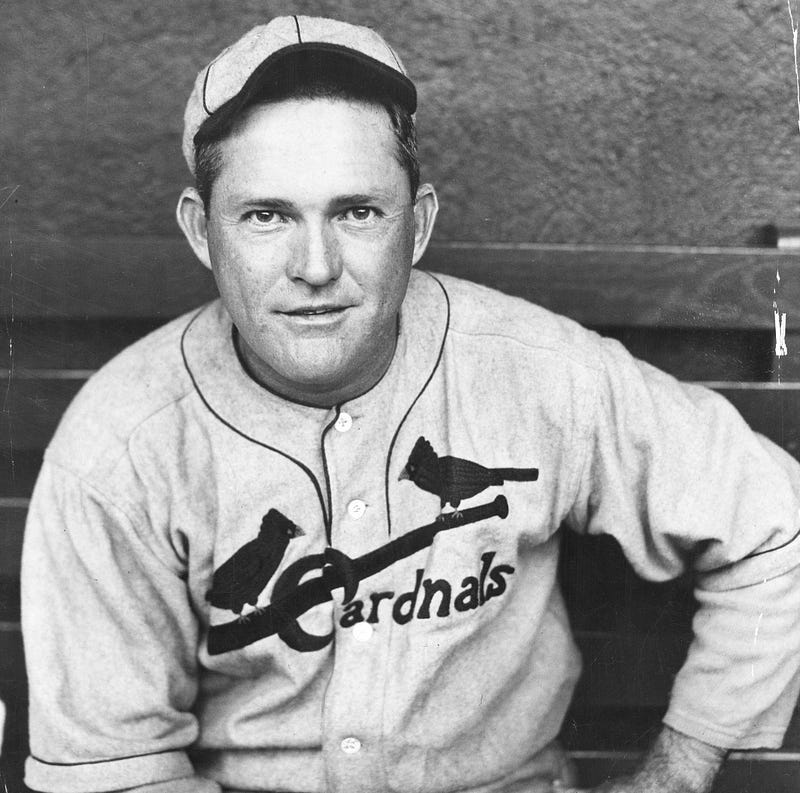
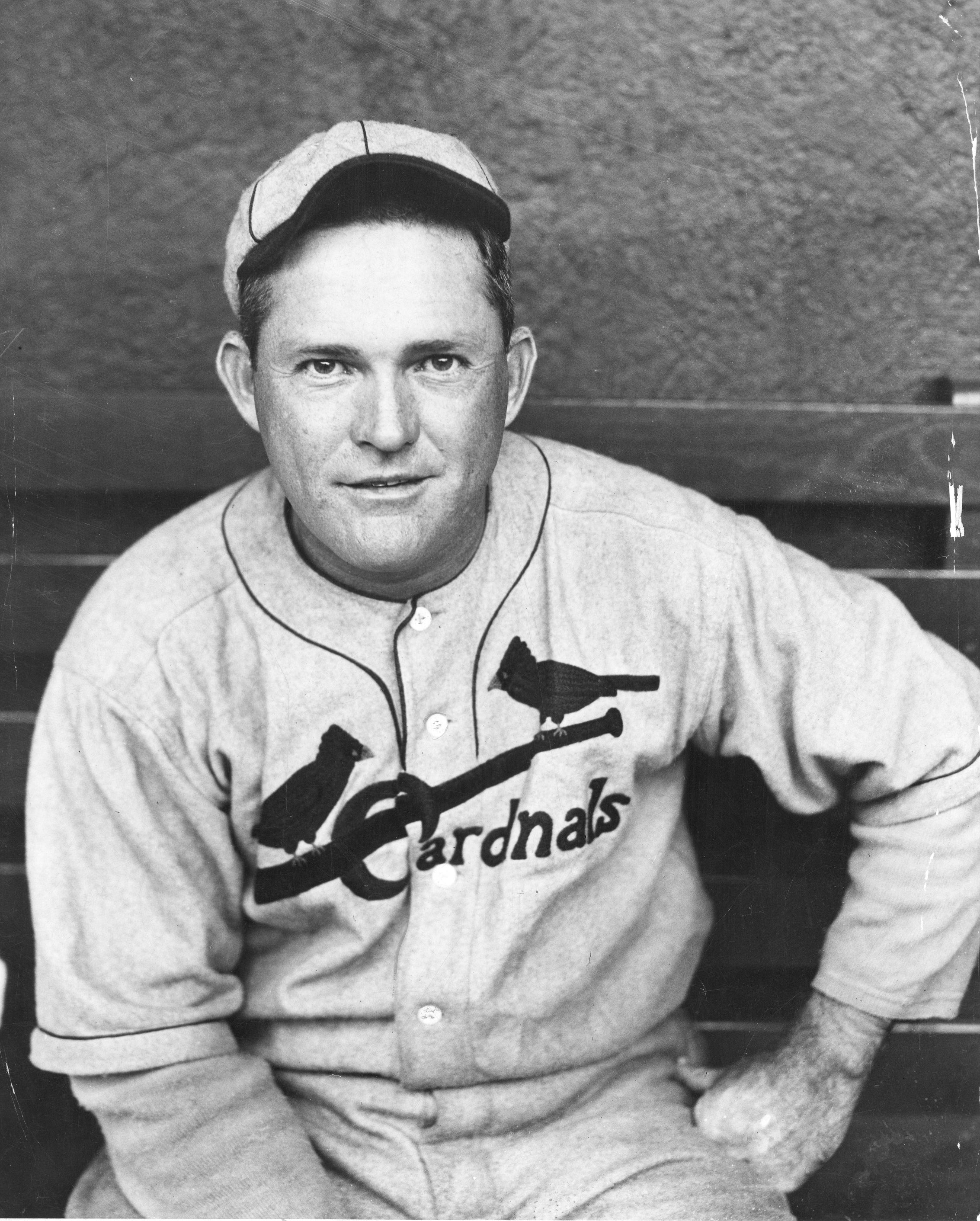
Rogers Hornsby was one of baseball’s greatest and most complicated players. His prowess as a hitter made him a Hall-of-Famer, but his perceived rigidity and sometimes unfriendly behavior made him quite polarizing. He remained in the headlines for a variety of reasons while he was a player and even afterwards, with perhaps the most shocking reason being the fortune he inherited following the strange and mysterious death of a woman who leapt to her demise from a hotel window.
Hornsby played in the big leagues for 23 years (1915–1937), batting a combined .358, which is amazingly still third best of all-time. He also collected 2,930 hits, 541 doubles, 169 triples, 301 home runs, 1,584 RBIs and 1,579 runs scored. Also known as “The Rajah,” he was inducted in the Baseball Hall of Fame in 1942, despite his less than desirable reputation when it came to his prickly nature.
He began managing during the height of his playing career. In just his second season on the bench, he led the St. Louis Cardinals to the 1926 World Series title, beating the mighty New York Yankees. Unfortunately, he never found such success as a manager again. In his parts of 15 seasons spent as a skipper, he managed a record of 701–812, and was more often than not in the second division — sometimes drawing the scorn of his players who disliked him so intensely that they even worked to have him fired.
Throughout his life, it seemed that Hornsby was frequently in the news for things other than playing baseball. This included lawsuits, gambling and infidelity. There was also the case of Mrs. Bernadette Harris, a 55-year-old woman who committed suicide on September 7, 1953 by jumping out of the third story window of her room at the Fleetwood Hotel in Chicago.
When police examined the body of Harris, they found two photos of Hornsby cut out of newspapers, and a note in her purse that simply read, “Notify Rogers Hornsby, Cincinnati Reds.” The former ballplayer (and manager at that time of the Cincinnati Reds) was questioned about what he knew, and described the deceased as his “good friend” and “personal secretary.” It appeared that the former nurse had even used his name and personal papers (including her driver’s license that gave her last name as Hornsby) in the past. He went on to explain that she had been suffering from a fear that she was going blind, which in turn made her very nervous that would lead to her being placed in an institution.
Hornsby indicated that he had repeatedly told Harris that he wouldn’t let her worst fears come true, but there was nothing he could say or do that seemed to have a positive effect on her depression and anxiety.
An examination of Harris’ hotel room found seven men’s suits, a great deal of luggage and a plaque that had been bestowed on to Hornsby that named him “the greatest right-handed hitter of all time.”
The police determined that the death was a clear-cut case of suicide. However, in their investigation they found that Harris had a safe deposit box that when opened contained $25,000 in cash along with her will. That document outlined that Hornsby was her sole heir and was to be given the large amount of money, which in modern value would be worth approximately $283,000.
Although not germane to Harris’ death, it was later revealed that she and Hornsby had been in a romantic relationship since at least 1948, living in Chicago in an apartment building he had bought. One of his former wives, Mary Jeanette, indicated that Hornsby had abandoned her in 1945 after more than 20 years of marriage — which ultimately ended in divorce.
It seems that Hornsby avoided publicly referring to Harris as his wife or girlfriend, even though most of his close acquaintances knew her as such, in part because of the tenuous status of his former marriage and perhaps a fear that living with someone he wasn’t married to would be a detriment to his image.
The relationship of Hornsby and Harris was clearly a romantic one, although details are still murky. His managerial career came to an end following that 1953 season, which saw him miss a few games in light of her death. He ended up getting married, officially, for a third time, in 1957 Marjorie Frederick Porter — a relationship that lasted until his own death in 1963.
There are are few figures in baseball history as complicated as Hornsby, which cannot be explained any better than looking at his strange relationship with Harris and her subsequent tragic death.