avatarGaby Spadaro

Summary

In Ancient Greece, Safo, a renowned lyric poet from Lesbos, defied societal norms to celebrate love between women, founding an art school and writing poetry that boldly expressed her love and desire for her female muse, Atthis.

Abstract

Safo, a 7th-century B.C. poet and educator from the island of Lesbos, stood as a beacon of female empowerment and same-sex love in a time when women had limited rights and freedom in Ancient Greece. Despite facing criticism and attempts to silence her, Safo established an institution where women could engage in cultural activities, including poetry, music, and philosophy. Her work, which often revolved around the beauty and depth of love between women, has left a profound legacy, exemplified in her heartfelt poetry about her love for her student Atthis. Safo's life and art serve as an inspiration, encouraging women to embrace their desires and love freely, regardless of gender.

Opinions

  • Safo's revolutionary stance on women's education and same-sex relationships was groundbreaking and ahead of her time, challenging the repressive societal norms of Ancient Greece.
  • The term "lesbian" originates from Safo's residence on the island of Lesbos, which she transformed into a symbol of love between women.
  • Safo's poetry reflects a deep appreciation for feminine beauty and the emotional complexities of love, particularly in her expressions of longing and heartache for Atthis.
  • The article suggests that Safo's story can empower contemporary women to embrace their true selves and desires, drawing strength from her historical example of courage and self-acceptance.
  • The author implies that societal attitudes towards same-sex relationships have evolved, yet Safo's experiences resonate with modern readers who may grapple with similar feelings and challenges.

The Mysterious Lesbian Who Lived in Ancient Greece
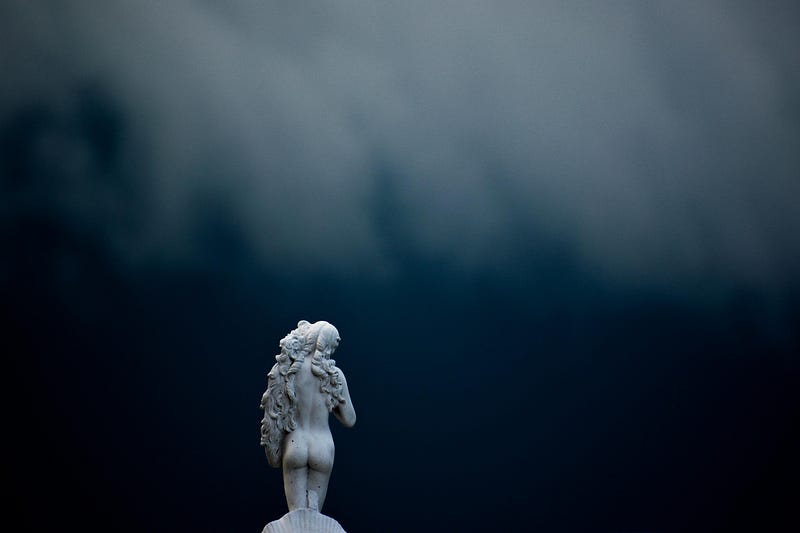
Photo by Stavrialena Gontzou on Unsplash

In Ancient Greece, women couldn’t dream about having an extended social life or getting a good education.

Men heavily repressed women except for one woman. Her name was Safo. Safo was a lyric poet, a dreamer, and a revolutionary woman. She lived during the 7th century B.C on the Island of Lesbos.

The island of Lesbos gave birth to the term “lesbian,” and Safo showed Greece that loving women was possible and beautiful.

Although this was not an easy task, men constantly criticized her, and they tried to silence her, but she didn’t care.

She founded an art school where women could sing, write poetry and learn about philosophy and self-pleasure.

Safos’ muse was the femenine beauty.

The softness of a woman’s lips. The fertile breasts and the emotional depth their heart could reach.

She couldn’t avoid falling in love with Atithi, one of her disciples. She dedicated her multiple poems while suffering because her lover abandoned the school and married a man.

I loved you, Atthis, long ago even when you seemed to me a small graceless child. 18 But you hate the very thought of me, Atthis, And you flutter after Andromeda. 19 Honestly, I wish I were dead. Weeping many tears, she left me and said, “Alas, how we suffer, Sappho. I leave you against my will.”

Safo wanted women to enjoy cultural activities as much as men. But moreover, she wanted to show women that loving someone of the same sex was okay.

This morning a woman woke up wishing she could kiss different lips. Maybe wishing her girl best friend could become her lover. That woman could be you or a friend or your mom or cousin.

Reading the history of a person who had the strength to show the world who she was can help us find the bravery we never had.

Lesbian
LGBTQ
Life
Relationships
Love
Recommended from ReadMedium