
The Musical Legacy of Amy Winehouse: Her Best Songs
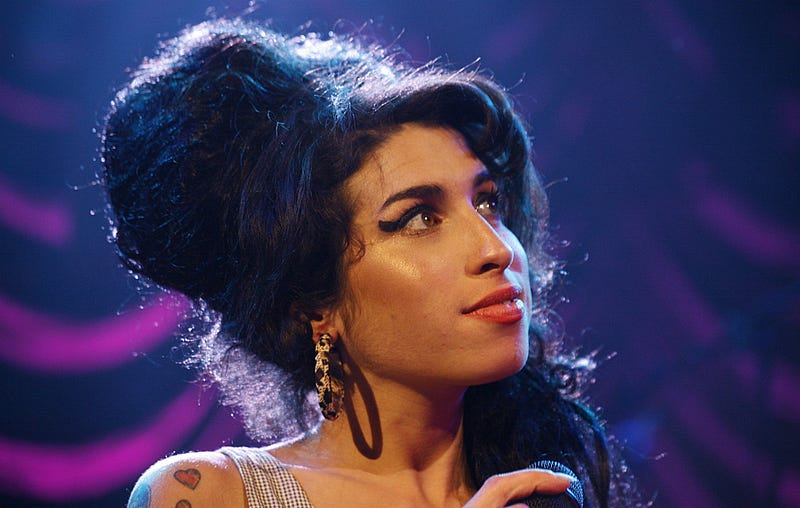
On the tenth anniversary of her tragic death, I pay tribute to the remarkable musical legacy that Amy Winehouse left during her brief time on Earth. Here, I delve into her artistry and impact and rank her 30 best songs.
Ten years ago today, Amy Winehouse died at the age of 27 in the Camden area of London. The official cause of death was accidental alcohol poisoning, which was sadly of little surprise to the millions who watched her very public battle with alcoholism, drug addiction, and other mental health problems. Her very tumultuous — and ultimately tragic — life was the source of constant tabloid exploitation, critical commentary, and police investigations, as well as grave concern among family, friends, and fans. The tragedy of it all was so epic, in fact, that it formed the basis for an Oscar-winning film. (Amy, the critically acclaimed 2015 documentary by Asif Kapadia, won the Academy Award for Best Documentary Feature.)
But all-too-often lost amidst all the speculation, judgments, and heartbreak is the fact that during her very brief music career Amy Winehouse established herself as one of the most unique and talented artists of the 21st century.

Amy Winehouse was born on September 14, 1983 to Jewish parents in the Enfield borough of London. She started writing, composing, and performing songs in earnest at age 14 on her brother’s guitar and within a couple of years was the featured vocalist of the National Youth Jazz Orchestra. She was signed to a management company before the age of 18 and was groomed to be a pop star.
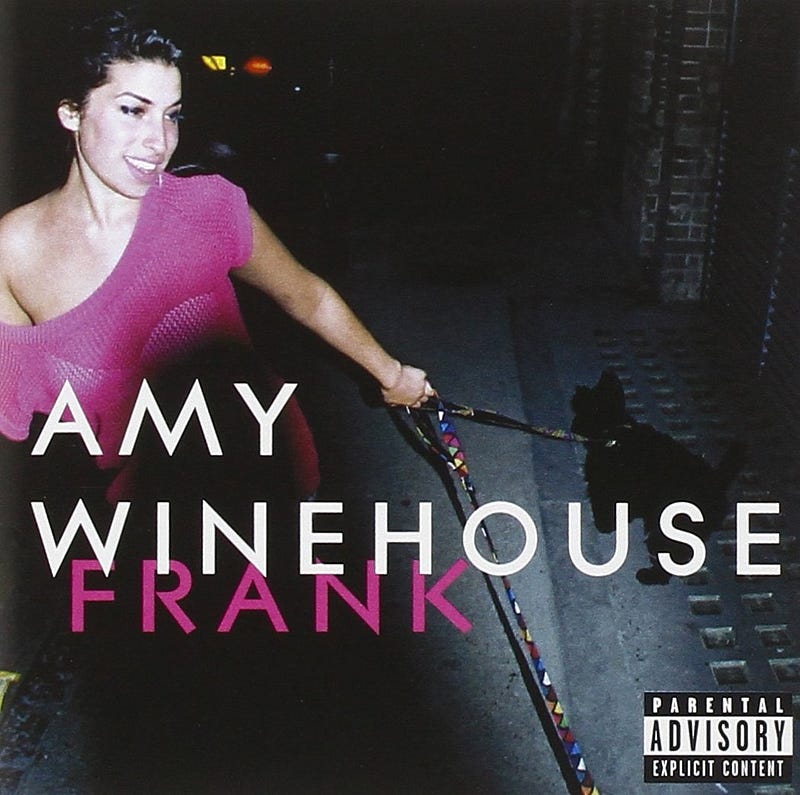
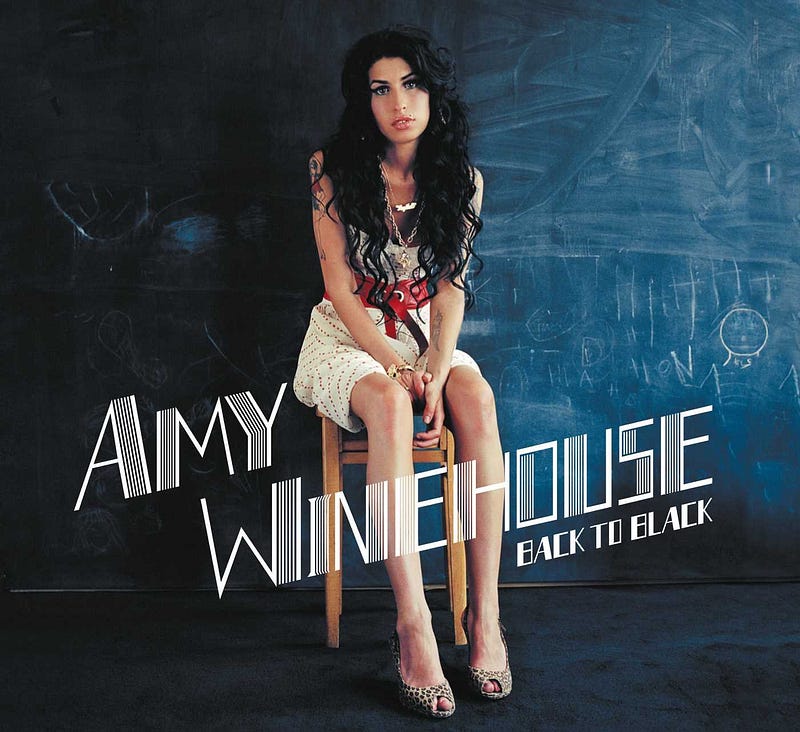
She only released two proper albums during her recording career. The first was 2003’s Frank, which was critically acclaimed and modestly commercially successful in the UK and throughout Europe. The second was 2006’s Back to Black, which was an even bigger hit in Europe and exploded internationally as well. The album spawned huge hit singles like “Rehab” and “You Know I’m No Good,” sold over 16 million copies and led to six nominations and five wins at the 50th Grammy Awards (Record of the Year and Song of the Year for “Rehab,” Best New Artist, Best Pop Vocal Album, and Best Producer of the Year).
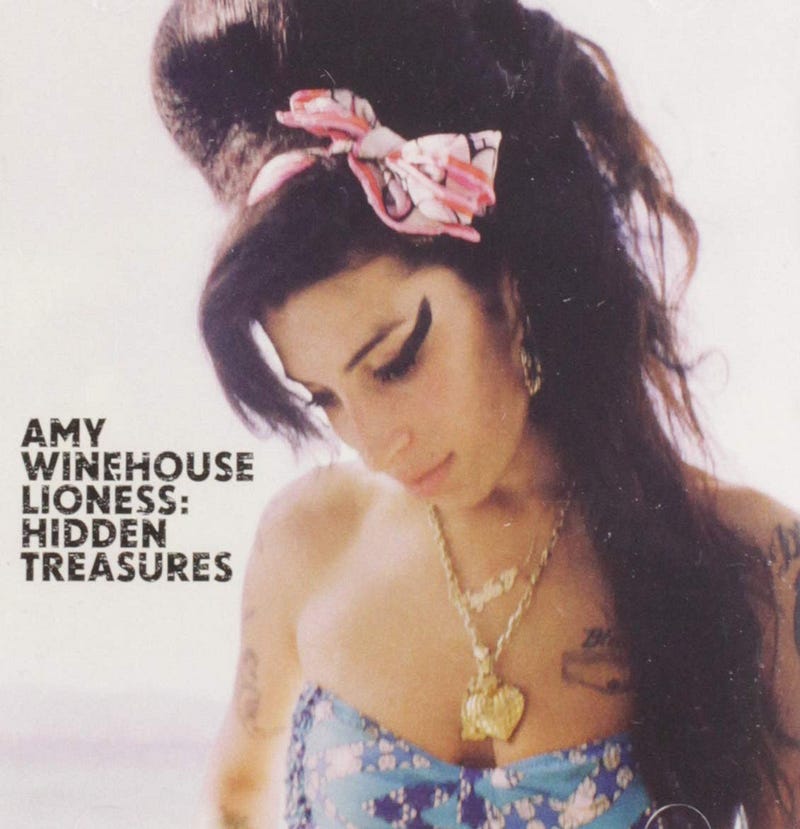
But Winehouse’s available musical recordings expand beyond those two albums. In 2008, Winehouse released two collections of B-sides, remixes, and rarities — one accompanying each of her two proper albums. After her death, a critically and commercially successful collection called Lioness: Hidden Treasures that featured unreleased tracks and rarities hand-picked by her long-time collaborators Mark Ronson and Salaam Remi in collaboration with her family. There are also numerous collections of her live performances available, including a 38-track collection released earlier this year entitled Amy Winehouse at the BBC.
Amy Winehouse fused the stylings of 1960s girl groups like The Ronettes, classical pop artists like Frank Sinatra, experimental jazz artists, and modern R&B and hip hop performers. The result was a singular neo-soul sound that instantly felt like its own genre — and continues to do so despite over a decade’s worth of homage and imitations. Her unique musical sound was infinitely aided by her deep, distinctive, and often raspy contralto voice and the remarkable vocal range that was often on full display on her many covers of jazz standards that she recorded and performed live throughout her career.
Winehouse certainly had success covering many songs throughout her career, but her best work was always her original compositions. She was a highly underrated songwriter, whose songs frequently covered themes of addiction, mental health struggles, dysfunctional relationships, and heartbreak. She communicated her inner thoughts frankly on her records (hence the title of her first album), never shying away from showing the darkest parts of her interior life. Her lyrics were laugh-out-loud funny and utterly heartbreaking, often in the course of the same song.
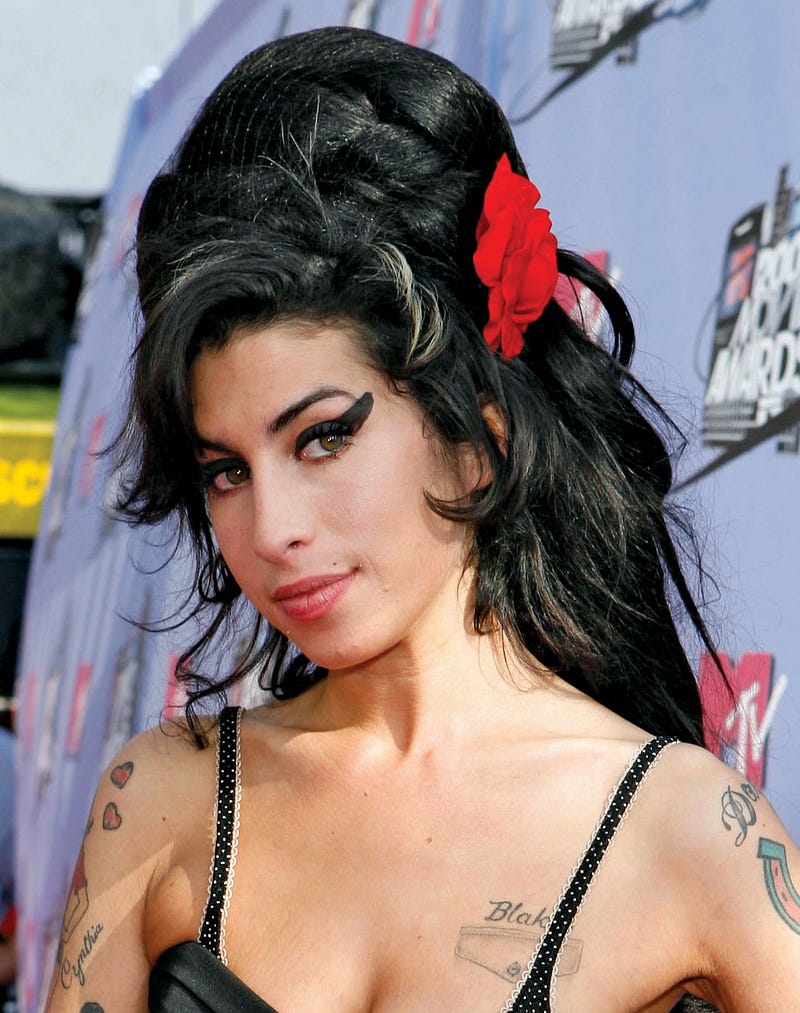
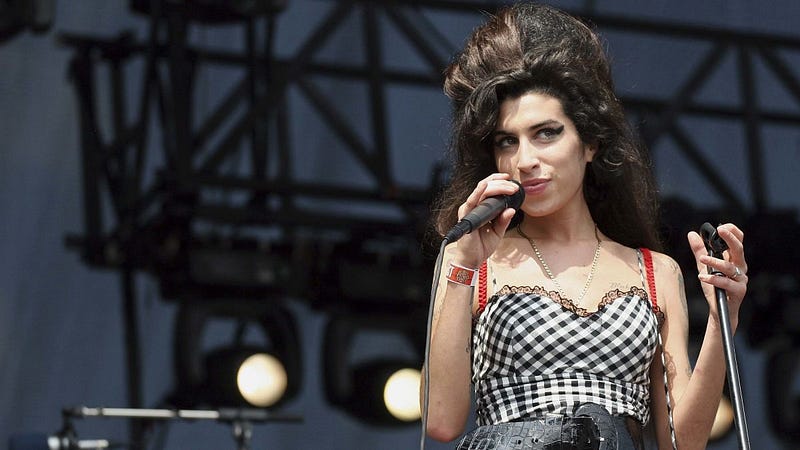
And, of course, there was her signature fashion sense, with her dramatic cat-eyes, exaggerated bouffant, ever-expanding collection of tattoos, and retro clothing.
I promised myself I would not belabor Winehouse’s tragic death and would focus this article on her remarkable musical output. But, I cannot help but feel sad and even a bit angry when I think of the decades of musical brilliance the world was deprived of when she joined the club of iconic and revolutionary musicians who died far too young from drug addiction.
Now, without further ado, here is my ranking of her 30 greatest songs after taking another deep dive into her musical catalogue.
Amy Winehouse’s 30 Best Songs
30. “Best Friends, Right?” (Lioness: Hidden Treasures, 2011). This playful track in which she “took the piss” out of her best friend by cleverly analyzing their dysfunctional relationship was recorded during the Frank era and would frequently be the opening song of her concerts during that time. However, the official recorded version was never released until after her death.
29. “To Know Him Is To Love Him” (Back to Black: B-Sides, 2008). This minimalist cover of the 1958 Phil Spector-penned hit by The Teddy Bears features just Amy and an acoustic guitar. And that’s all you need when the artist is as talented as Winehouse.
28. “‘Round Midnight” (Frank: B-Sides, 2008). Amy Winehouse’s cover of Thelonious Monk’s 1957 jazz classic is a poignant exploration of her mental health issues (particularly depression). It is a bit over-produced and meandering, but it is a hypnotic, horn-fueled, mid-tempo jam that has a distinct sound compared to the rest of her catalogue.
27. “Someone to Watch Over Me” (Frank: B-Sides, 2008). George and Ira Gershwin’s jazz standard gets yet another rendition here. It has a long and restrained intro that features Amy warbling over gentle piano chords. But when the percussion and melody kick in, it soars.
26. “You’re Wondering Now” (Back to Black: B-Sides, 2008). This soulful reggae cover of The Specials’ song evokes a retro beach party in the best possible way and features a unique vocal performance heavily emphasizing her lower register.
25. “Cupid” (Back to Black: B-Sides, 2008). Amy gives Sam Cooke’s 1961 classic a terrific reggae makeover. In the song, Amy begs Cupid to help her snag the man with whom she is in the throes of unrequited love. It’s an expert vocal performance.
24. “Fool’s Gold” (Frank: B-Sides, 2008). Amy delivers an aching vocal performance on this restrained track that showcases her clever and powerful songwriting. The song tells the story of a woman so desperate to get married that she is overlooks how badly she is being treated by a man. The writing is filled with vivid details and rich characterizations.
23. “Between the Cheats” (Lioness: Hidden Treasures, 2011). Originally recorded for her never-released third album, this soulful and jazzy doo-wop track chronicles two unfaithful lovers trying to make a relationship work. It is a smooth listen with a catchy hook and some truly inspired lyrics (e.g., “’Cause anyone who’s seen us/ Through our victories and dumb defeats/ Knows that I’ll take you to the cleaners/ If you come between the cheats”).
22. “Cherry” (Frank, 2003). Although it only clocks in at 1 minute and 31 seconds, this track from Amy’s debut album is a real standout. Over guitar strums, she describes her new best friend Cherry who understands her better than her man ever could, only to reveal in the final line that Cherry is actually her guitar.
21. “Mr. Magic (Through the Smoke)” (Frank, 2003). The first of many songs that Amy wrote about her substance abuse, this song is a loving ode to marijuana. She chronicles how it relaxes her and give her inspiration (e.g., “Laying on my bed/ I reach over for you/ And you so fresh, you even make the standards new/ Burn the tip to get you through”) and it has a restrained and jazzy production that perfectly fits the light and relaxed lyrics.
20. “Just Friends” (Back to Black, 2006). When you are listening to a ten-track album and a song this good is the weakest, you know you are in the presence of a masterpiece. This infectious song about a woman caught in an illicit affair with a man she is trying to be “just friends” with has been described as “ska-soul,” the type of sub-genre Winehouse can uniquely pull off.
19. “Body and Soul” (Lioness: Hidden Treasures, 2011). This track is notable for several reasons — it was recorded at Abbey Roads studio, it was a duet with the legendary Tony Bennett, it was her final recording before her death, and it won Winehouse her sixth and final Grammy. It may not quite live up to expectations given all those notable aspects, but this cover of Libby Holman’s 1930 standard soars in its climax and Bennett and Winehouse’s distinctive vocal stylings work beautifully together.
18. “Our Day Will Come” (Frank, 2003). (Lioness: Hidden Treasures, 2011). Originally recorded for her first album but not released until after her death, this cover puts a surprisingly effective reggae spin on Ruby & The Romantics’ 1962 R&B hit. This is one of Winehouse’s many covers that seems like such a good fit for her stylistically and vocally that it’s hard to believe it’s not an original of hers.
17. “Will You Still Love Me Tomorrow?” (Lioness: Hidden Treasures, 2011). Gerry Goffin and Carole King wrote this timeless classic that was made famous by The Shirelles in 1960. Amy Winehouse originally recorded it for the Bridget Jones sequel but it was revised again with Mark Ronson’s expert production in 2011. It is beautifully straightforward and effective.
16. “Some Unholy War” (Back to Black, 2006). This mid-tempo soul song finds Amy declaring that her love for her man is unconditional and she will be beside him no matter what transgressions he commits. It features great vocals and intelligent, sophisticated lyrics (“He can’t lose with me in tow/ I refuse to let him go/ At his side and drunk on pride/ We wait for the blow”).
15. “Take the Box” (Frank, 2003). This heartbreaking song about her breakup with her ex-boyfriend vividly recalls the day she went to his apartment to take the box of her belongings that were there prior to the breakup. The haunting echos of the female backup singers provide a perfect backdrop for Amy’s aching vocals.
14. “Me & Mr. Jones” (Back to Black, 2006). This jazz/reggae/Motown hybrid finds Amy talking about her relationship with rapper Nas (full name: Nasir Jones, hence the title). It is refreshingly lighter in tone and subject matter than many of her other songs from that era and features some of my favorite lines she has ever written, like the first verse opening query “What kind of fuckery is this?”
13. “Wake Up Alone” (Back to Black, 2006). This deeply sad and personal ballad finds Amy longing for her ex and battling with depression and substance use. The restrained production and emotional vocal delivery are perfection. It also features some of her richest, imagery-laden songwriting (e.g., “He gets fierce in my dreams seizing my guts/ He floods me with dread/ Soaked to soul, he swims in my eyes by the bed/ Pour myself over him/ Moon spilling in/ And I wake up alone”).
12. “He Can Only Hold Her” (Back to Black, 2006). This subdued closing track to the standard edition of Amy Winehouse’s masterpiece has a refreshing shift in perspective. She is presumably looking at her relationship with a man from the perspective of an objective outsider who is able to see that her heart really belongs to another (e.g., “Even if she’s content in his warmth/ She is plagued with urgency/ Searching kisses, the man she misses/ The man that he longs to be”). The song superbly utilizes backup vocals and has a terrific horn arrangement.
11. “Stronger Than Me” (Frank, 2003). For me, this song is undermined by its remarkably toxic devotion to traditional gender norms. It’s essentially a revenge anthem where she berates her ex for being sensitive and caring when she wants him to be “manly.” But it nevertheless has superb production, a ferocious vocal performance, and some clever writing. It is captivating right through its horn-centric outro.
10. “In My Bed” (Frank, 2003). More modern-sounding and R&B-influenced than many of her songs at that time, this song chronicles having sex with an ex but not wanting anything more. The whole song works terrifically, but it is most notable for having one of her catchiest, boldest, and most expertly constructed choruses.
9. “Valerie” (Back to Black: B-Sides, 2008). Many people don’t realize that one of Amy Winehouse’s signature songs is actually a cover. It was released in 2006 by English indie rock band The Zutons. She covered the track with producer Mark Ronson for an album of his and it went on to be one of her best-known songs. It’s a soulful and jaunty ear worm from start to finish.
8. “You Sent Me Flying” (Frank, 2003). This dramatic song captivates for over 5 minutes as Amy talks about her undying devotion to an older lover who she was once enamored with. It has terrifically fresh production and features some of her best writing (e.g., “And the melodramas of my day deliver blows/ And that surpass your rejection, it just goes to show/ A simple attraction that reflects right back to me/ So I’m not as into you as I appear to be”).
7. “Amy Amy Amy” (Frank, 2003). This sultry and singular song about Amy’s scandalous attraction to her high school science teacher is one of the most clever and sexiest songs of her career. The hypnotic production and female backup singers perfectly complement Amy’s cooing of naughty lyrics (e.g., “His own style, right down to his Diesel jeans/ Immobile, I can’t think by any means/ Underwear peeks out the top/ I’ll let you know when you should stop/ From the picture my mind drew/ I know I’d look good on you”).
6. “Fuck Me Pumps” (Frank, 2003). Amy’s savage humor and keen observation were perhaps never more apparent on record than they were in this hilarious song about promiscuous, money-hungry women who engage in self-defeating behavior in their hunt for a man. The production of the song is restrained, allowing it to showcase Amy’s vocal delivery of rich lyrics (“You don’t like players/ That’s what you say/ But you really wouldn’t mind a millionaire/ You don’t like ballers/ They don’t do nothing for ya/ But you’d love a rich man six-foot-two or taller”). Amy reportedly took this song from producer Salaam Remi and rewrote the lyrics to reflect her point of view because she thought it was so clever and funny.
5. “Love Is a Losing Game” (Back to Black, 2006). Probably Amy’s finest hour as a lyricist, this moving ballad is an extended metaphor about … well, exactly what its title implies. Her raw and tender vocal performance is as heartbreaking as the song’s poetic lyrics that demand repeated listening. It is a stunning piece of work right up until the shattering final lines: “Over futile odds/ And laughed at by the gods/ And now the final frame/ Love is a losing game.”
4. “You Know I’m No Good” (Back to Black, 2006). More than perhaps any other song in her catalogue, this exemplifies her persona and musical style. It’s an R&B/soul/rock hybrid about her self-destructive streak and the man who enables her. Mark Ronson’s superb production certainly contributes to its classic status but its strongest aspect are its vivid and evocative lyrics (e.g., the opening lines — “Meet you downstairs, in the bar and hurt/ Your rolled up sleeves and your skull t-shirt/ You say ‘What did you do with him today?’/And sniffed me out like I was Tanqueray”).
3. “Rehab” (Back to Black, 2006). Tragic. Fitting. Ironic. Inevitable. Heartbreaking. All of these words have been used to describe the fact that Amy’s big breakthrough and her biggest global smash is a song about refusing to get help for the alcohol and drug addiction that would take her life a few years later. But as sad as it is to listen to now, there is no denying that it is a vibrant, urgent, and impassioned masterpiece. It expertly blends contemporary musical stylings with a retro Motown feel that demanded the world’s attention and won a bevy of awards. The song’s upbeat production and brisk pace cleverly belies the heartbreak lyrics and themes. Few lyrics in music history have more perfectly evoked the web of heartbreak, depression, self-medicating, loneliness, denial, and stubbornness that lies at the heart of addiction as “The man said, ‘Why do you think you here?’/ I said, ‘I got no idea’/ I’m gonna, I’m gonna lose my baby/ So I always keep a bottle near.”
2. “Tears Dry On Their Own” (Back to Black, 2006). I believe that one sign that a song is a true musical masterpiece is when it can be effectively re-interpreted in unique and highly distinctive ways. The version of this song that made it on to Back to Black is a masterful up-tempo Motown throwback that interpolates Marvin Gaye and Tammi Terrill’s 1967 classic “Ain’t No Mountain High Enough.” The original version, which can be found on her posthumous collection Lioness: Hidden Treasures, is a sucker punch of a ballad that expose the profound sadness of the lyrics (e.g., “Even if I stop wanting you and perspective pushes through/ I’ll be some next man’s other woman soon/ I cannot play myself again/ I should just be my own best friend/ Not fuck myself in the head with stupid men”). Both versions are masterpieces.
1. “Back to Black” (Back to Black, 2006). The title track of Amy’s masterpiece is this richly orchestrated soul ballad that is truly haunting. The striking first verse is some of the best writing she ever achieved balancing anger, humor, insecurity, and heartbreak in the course of a few lines (“He left no time to regret/ Kept his dick wet with his same old safe bet/ Me and my head high/ And my tears dry, get on without my guy/ You went back to what you know/ So far removed from all that we went through/ And I tread a troubled track/ My odds are stacked, I’ll go back to black”). The song effectively slows about 2/3 of the way through for a particularly dramatic section where the instrumentation reduces and Amy repeatedly moans the word “black” while backup singers chant hauntingly. It is spine-tinglingly effective and makes the final return to the blistering chorus all the more powerful. This easily has my vote for one of the best songs of the 21st century.
Follow the author of this article on Medium or Twitter.
Check out other articles by this author about music legends:
- The Genius, Complexity, and Legacy of Alanis Morissette
- The Very Best of Sheryl Crow: Celebrating a Rock & Roll Icon
- The Brief but Remarkable Recording Career of Paula Abdul
- Elton John: A Living Legend Gets His Due
- Celebrating the Legendary Whitney Houston
- The Magnificent Legacy of Janet (Or Ms. Jackson If You’re Nasty)
- Mariah Carey’s 50 Best Songs in Honor of her Golden Anniversary
- Ranking Madonna’s 57 Billboard Hits