
The Murder of an Empress
Maria of Antioch’s death by order of her own son.
Constance of Antioch was the only child of Baldwin II of Antioch, ruler of the Crusader state. Baldwin died when Constance was two, and Constance became the ruling princess, in name only. Her mother, Alice of Jerusalem, attempted to rule as regent, but the nobles preferred a man. Alice’s father, Baldwin II of Jerusalem was appointed regent for Constance. After his death, Alice’s brother-in-law, Fulk of Anjou, took over.
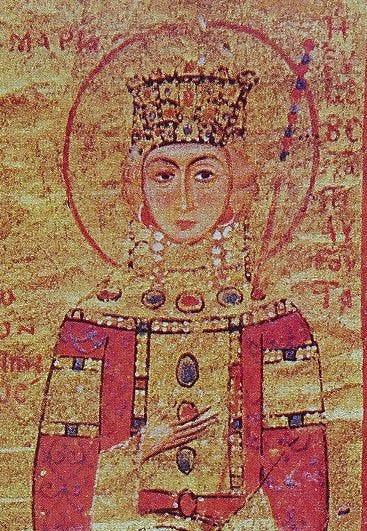
Fulk arranged for Constance to marry Raymond of Poitiers. As her husband, Raymond assumed control of the government while Constance bore children. When Raymond was killed in battle, Constance’s cousin, Baldwin III of Jerusalem, attempted to marry her to the Byzantine Emperor’s middle aged relative. Constance refused and married Raynald of Chatillon, who ruled for his wife.
After Raynald was imprisoned by the Muslim ruler of Aleppo, Constance once again attempted to take the throne. Again, by virtue of her sex, she was estopped. Baldwin III of Jerusalem declared Constance’s teenage son, Baldwin, as prince of Antioch. Constance was infuriated and sought the support of the Byzantine Emperor, Manuel I Kommenus.
Around this time, Manuel was seeking a wife. Manuel was seeking a wife of Crusader origin, as his late wife had been, and sent his agents to Jerusalem to seek a new wife amongst the Frankish nobles. Two girls were considered, both related to the King of Jerusalem through their mothers. The candidate preferred by Baldwin III of Jerusalem was Melisende of Tripoli, who was his cousin. However, the Byzantine agents had heard rumor’s that Melisende’s mother was known for infidelity, and were worried about the girl’s legitimacy. The other candidate was also reportedly more beautiful than Melisende. Emperor Manuel chose this girl, the daughter of Constance of Antioch: Maria.
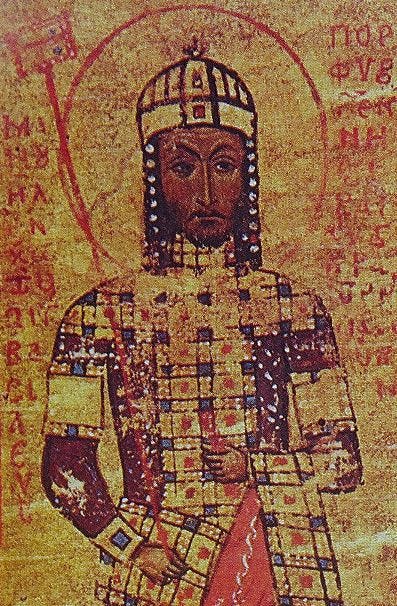
Manuel and Maria were married in the Hagia Sofia. This alliance raised Constance’s position and she was finally declared regent of Antioch. Maria was beloved by her new subjects and was praised for her beauty. However, she failed to produce a child during the first eight years of her marriage. Finally, Maria had a son, Alexios who became his father’s heir. During the next ten years of her marriage, she was esteemed be her husband, and invited by him to give advice on politics. Indeed, she was even able to foil an attempt by the Emperor’s interpreter who was advising Crusader dignitaries against the Emperor.
However, the happy marriage of Manuel and Maria ended when the Emperor died in 1180. Maria became a nun, in name only. She acted as regent for her son, the new Emperor. She also took on the nephew of Manuel, Alexios Komnenos, as a lover, which scandalized the court. The Greek populace began to distrust the Empress.
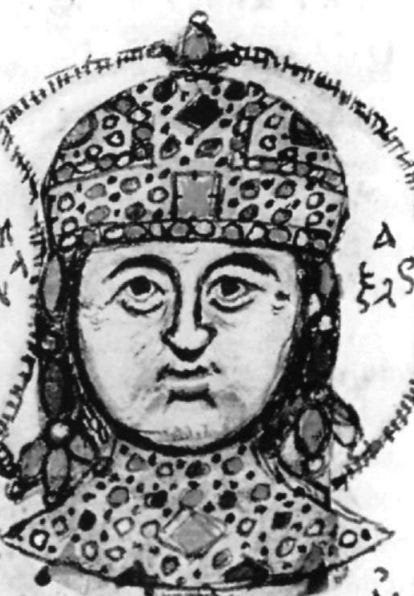
The Empress stepdaughter, Maria Komnene, led the opposition against her regency. She turned to the Patriarch for support. When Maria Komnene’s plans were uncovered, Alexios Komnenos imprisoned the Patriarch. This act led to war.
Meanwhile, the exiled cousin of Manuel, Andronikos Komnenos, was asked to return by Maria Komnene. Andronikos had been exiled by Manuel for seducing the Empress’ sister. When Andronikos returned, he provoked the Greek citizens to massacre the Italian citizens. Andronikos was able to overtake Constantinople. He also turned on Maria Komnene and poisoned her.
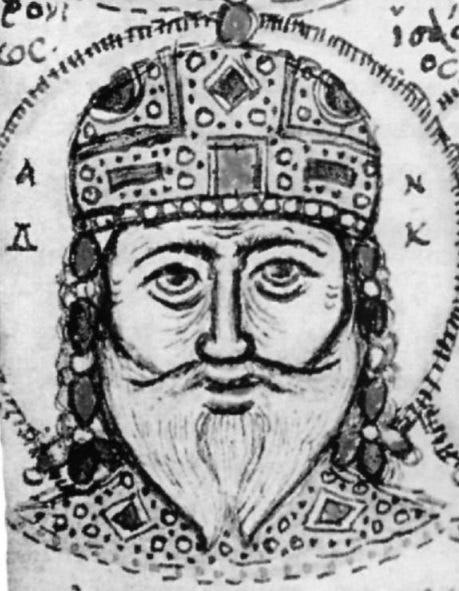
Andronikos imprisoned the Empress. She attempted to contact her brother-in-law, the King of Hungary, for assistance but failed. Andronikos forced the teenage Emperor Alexios to sign his mother’s death warrant and forced his own son to kill the Empress. His son refused, so Andronikos had a eunuch strangle the Empress and throw her in an unmarked grave. Andronikos crowned himself Alexios’ co-emperor.
Less than a month later, Alexios was secretly strangled. Andronikos married Alexios’ widow, Agnes of France three years after the boy’s death. Andronikos was sixty-five, while Agnes was sixteen.