
The Mother-in-law Taboo
In old Native American cultures
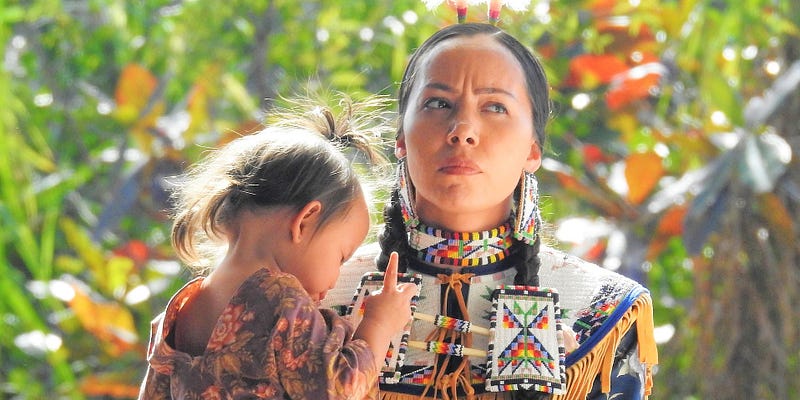
In the past, several Native American tribes practiced what has become known as a mother-in-law taboo. In these old cultures husbands and their mother-in-law were not allowed to come into contact with each other. Some of the tribes that practiced some form of this taboo included the Apache, Sioux, Cree, Cheyenne, Crow, and Blackfoot.
But no native peoples were stricter and more severe about it than the Navajo. In Navajo culture a husband and his mother-in-law were strictly forbidden from coming into contact with each other. They were never to make eye contact with each other and they were not allowed to be in the same home or building together. The mother-in-law was not even allowed to attend her own daughter’s wedding! (1)
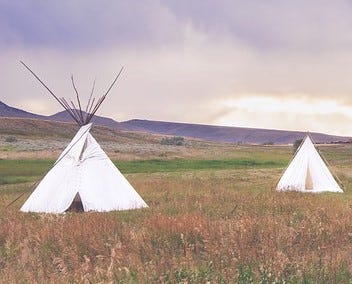
Often a newlywed couple would live with the bride’s family for the first year or two of their marriage. But they had to live in separate dwellings because of this taboo. Even if the married couple got divorced the taboo stayed in effect for the duration of the lives of the husband and the mother-in-law. They could never come into contact and/or look each other in the eye for the rest of their lives.
Accidental violations of this taboo required the family to hire a medicine man to perform chants to undo any damage done by the encounter. (2)
Most Western historians, anthropologists, psychologists, and writers attribute this taboo to sexual reasons. Some say it was to prevent any sexual desires from arising in the husband for the mother-in-law or in the mother-in-law for the husband. Since daughters tend to take on the general appearance of their mothers with time, some go on to postulate that it was to prevent the new husband from seeing what his new bride would look like as she got older. But if you ask the native peoples themselves why this taboo existed they will tell you that it was primarily to maintain peace within the family.
While this custom has greatly diminished among most native peoples, it has still been practiced by the Navajo well into the twentieth century.
Modern husbands; what is your relationship with your mother-in-law? Modern mother-in-laws; what is your relationship with your son-in-law? How much peace is there?
(1) Daughters of the Earth, by Carolyn Niethammer (2) Blood and Thunder: The Epic Story of Kit Carson and the Conquest of the American West, by Hampton Sides
Copyright by White Feather. All Rights Reserved.
See all my Native American stories and articles here:


