
The Most Unusual Funeral I Ever Attended
She wanted a funeral before she died so she could be around to enjoy it
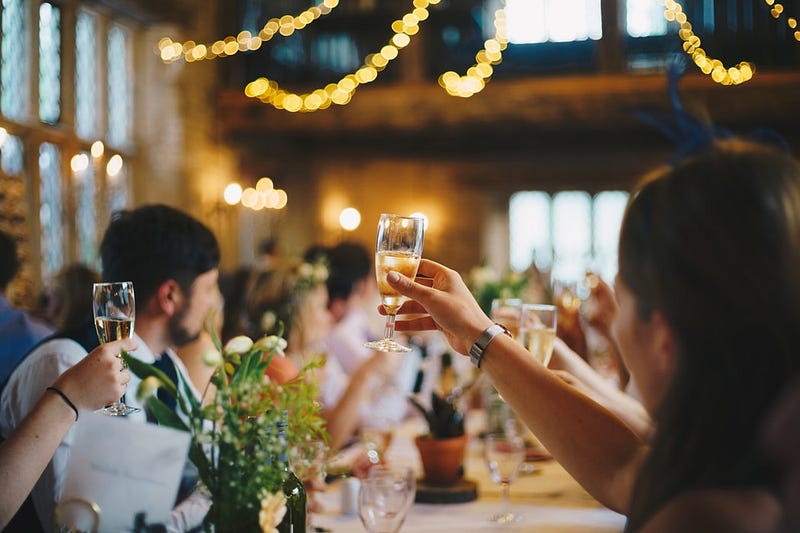
We were ushered into the clubhouse, where blue and white balloons decorated the door leading to a private banquet room. As we sat at a long, linen-covered table, waiters filled our wine glasses and took our orders. A band tuned up and several couples glided toward the dance floor.
Our hostess, a woman I had met two years earlier, tapped her wine glass with a spoon. When she had our attention, she said, “My husband always told me if he died first, he wanted me to throw a party instead of a funeral. So here we are. Let’s toast to Mike.”
We raised our glasses in a toast and proceeded to enjoy an evening of solicitous waiters, superb food and good music. Mike, if his spirit happened to be hovering in the vicinity, would have enjoyed the event, according to his widow.
Attending Mike’s celebration of life got me thinking about the different ways people handle the death of a loved one.
When my father-in-law died, his funeral instructions sent his children scurrying off to Virginia, North Dakota and Kansas; states that weren’t exactly convenient travel destinations. But he wanted his ashes scattered in the places he had lived with his beloved wife, who had died 12 years earlier.
His three children decided they needed to divide and conquer rather than hold services in all three states, so one sister went to North Dakota, one sister scattered ashes in Virginia, and my husband chose the Kansas leg of the journey. He and I flew to Topeka and met a minister at the Memorial Garden my father-in-law had selected.
The minister looked surprised to see just the two of us. “Will others be arriving soon?”
“Just us,” my husband explained. “We had the main funeral in Virginia.”
Once the minister got used to the idea of a small audience, he conducted a lovely service. My father-in-law had reserved a plot in the peaceful garden beside the church, and a brass plaque with his name was added to a stone wall enclosing the garden.
Mike’s celebration of life and my father-in-law’s decision to have three burial places might seem unusual, but they’re not as unusual as having your funeral before you die because you want to be around to enjoy it.
In her article, 10 Weirdest Wakes and Funerals, Grace Murano tells the story of Zeng Jia, a 22-year-old student from Wuhan, China, who shocked family and friends when she invited them to a rehearsal of her own funeral so she could take part in the festivities while she was still alive.
“The young student told members of the press that she got the idea for the morbid event after realizing that people spend a lot of time and effort on someone when they’re gone, and they never get the chance to appreciate and enjoy it,” Murano writes.
According to the article, Zeng Jia used up all her savings to arrange an elaborate funeral service complete with a coffin, flowers and origami birds, as well as photographers and a crowd of mourners. She spent an hour pretending to be dead while relatives and friends passed by her coffin to say their final goodbyes.
It Might Not Be as Unsual as You Think
Having a funeral while someone is alive might not be as unusual as you think. I had a friend who decided to do the same thing. Like Zeng Jia, my friend wasn’t dead. But unlike Zeng Jia, she was very close to death. She wanted to be alive to enjoy her funeral, and she asked me to give the eulogy.
She only asked for one thing: a funeral service before she died. She wanted to hear the music and listen to the words while she could still enjoy them.
Ten years before her funeral, she had been diagnosed with cancer. She underwent numerous rounds of chemotherapy, and when that didn’t work, doctors scheduled a bone marrow transplant. My friend had a fierce will to live and she fought a mighty battle. After the bone marrow transplant, she was pronounced cancer free.
During the next ten years, she accomplished a lot of good. She started an outreach ministry that spread across several states and she helped numerous people who were going through hard times. When she found out her cancer had returned, she underwent more treatments. This time, they didn’t work.
But far from being depressed or devastated, she accepted the inevitable with grace. She had fought hard to live the first time she was diagnosed, but now she seemed at peace. She only asked for one thing: a funeral service before she died. She wanted to hear the music and listen to the words while she could still enjoy them.
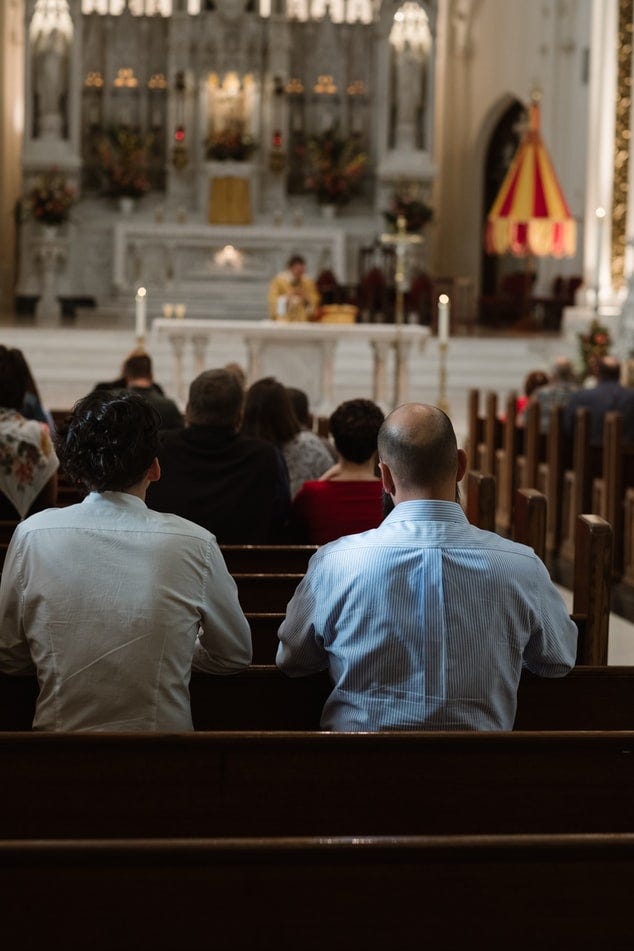
Her church agreed to hold the service, friends and family were invited, the music was planned, and I was asked to give the eulogy.
This was surprising, because I’m not a minister. But she was a great person and it was easy to talk about her accomplishments.
In the eulogy, I said, “She never felt sorry for herself. She embraced whatever life had to teach and whatever life had to offer with dignity and grace and strong faith.
“She loved greatly, she cherished her family, she influenced others and made the world a better place. What more in this transient world could we ask for?”
I looked at her while I was speaking, and she seemed at peace. Her face was ghostly white, she had lost a tremendous amount of weight, but her smile was beautiful.
That was the last time I ever saw her. She died a few days later, and her second funeral was uneventful and unmemorable.
People can hold a celebration of life by throwing a party, have a service before they die so they’re around to enjoy it, or have their ashes scattered across several different states. But regardless of how we choose to go out, the most important thing is what we do between the dash; that place between birth and death when we have our opportunity to make an impact.
As author Regina Brett says:
“Some people hate funerals. I find them comforting. They hit the pause button on life and remind us that it has an end. Every eulogy reminds me to deepen my dash, that place on the tombstone between our birth and our death.”


