avatarAndra Forbes

Free AI web copilot to create summaries, insights and extended knowledge, download it at here

1636

Abstract

hree common states: solid, liquid, and gas, perfect for the existence of life as we know it.</p><figure id="8c24"><img src="https://cdn-images-1.readmedium.com/v2/resize:fit:800/0*G2N3ERKXeV8X6C3_"><figcaption>Photo by <a href="https://unsplash.com/@magict1911?utm_source=medium&amp;utm_medium=referral">Timo Volz</a> on <a href="https://unsplash.com?utm_source=medium&amp;utm_medium=referral">Unsplash</a></figcaption></figure><p id="b654">Surprisingly, an average adult human body contains around 60% water.</p><p id="6310">Life flourishes in the most extreme places on our planet, but as I have said, without water, no life would exist.</p><p id="d43a">The total amount of water in the oceans, seas, lakes, ice caps, and atmosphere is calculated at 1,386 million cubic kilometres; that number also includes water in the Earth’s crust. Over 96% is saltwater, and the small amount leftover is fresh water found in the lakes, rivers, and in the atmosphere.</p><p id="68d7">One cubic kilometre of water contains one trillion litres. We see flooding due to heavy rainfall in many parts of the world, which is not surprising when you realise that at any one time the Earth’s atmosphere could hold up to 13 thousand cubic kilometres of water.</p><p id="f8e2">Just over 70% of the Earth’s surface is covered with water; the deepest part of any ocean is the Mariana Trench, which is almost 11 kilometres at its deepest point.</p><figure id="e0c7"><img src="https://cdn-images-1.readmedium.com/v2/resize:fit:800/0*aR6-4a-uH_rhDubB"><figcaption>Photo by <a href="https://unsplash.com/@aahubs?utm_source=medium&amp;utm_medium=referral">Aaron Hub

Options

er</a> on <a href="https://unsplash.com?utm_source=medium&amp;utm_medium=referral">Unsplash</a></figcaption></figure><p id="04aa">It is just as well that the surface of the Earth has deep oceans and high mountains; if it were a smooth sphere, then there would be no dry land, and the depth of the water all around the globe would be roughly 2.7 kilometres. If that were reality, then we land-dwellers would have never existed.</p><p id="87cb">It is now thought that water existed on the Earth as it formed 4.5 billion years ago. Incoming comets and asteroids that bombarded our young planet may have contributed to the water we see today.</p><p id="52c9">The end</p><p id="826e">To be honest, I am not an astronomer, cosmologist, or biologist, but my interest in the universe and life goes back many years. The information in my articles is, to the best of my knowledge, accurate.</p><p id="22bd">You may find some of my easy-to-understand stories about the universe and life interesting and educational. Enjoy</p><div id="3982" class="link-block"> <a href="https://medium.com/@andraforbes"> <div> <div> <h2>Andra Forbes - Medium</h2> <div><h3>Read writing from Andra Forbes on Medium. I hope you enjoy my articles regarding the Universe and life, some of them…</h3></div> <div><p>medium.com</p></div> </div> <div> <div style="background-image: url(https://miro.readmedium.com/v2/resize:fit:320/0*tkYl1bg8yL6tJHHh)"></div> </div> </div> </a> </div></article></body>

Water is the Most Important Liquid on Earth.

The most expensive liquid that you can buy is Deathstalker venom. It comes from one of the most dangerous scorpions on the planet, and that venom is valued at over £6,000,000 per litre.
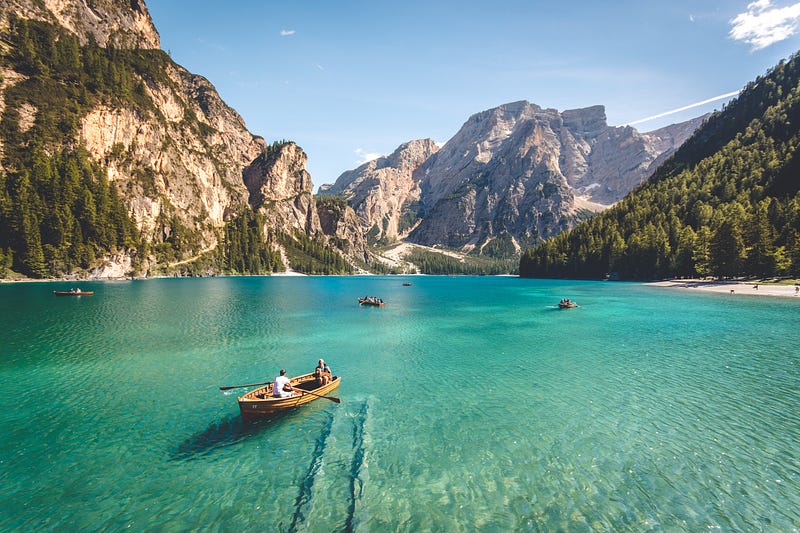
Photo by Pietro De Grandi on Unsplash

British spelling.

Oil is another liquid that comes to mind; it has been the lifeblood of industrial nations and the world’s most important source of energy for well over 60 years.

But the most abundant and important liquid on our planet is H2O; without water, there would be no life of any kind. You could say that it is the liquid of life.

Water is a transparent, tasteless liquid that has no smell. A water molecule consists of two hydrogen atoms and one oxygen atom. Water will freeze at 32° Fahrenheit or 0°Celsius and boil at 212° Fahrenheit or 100° Celsius.

We are extremely lucky that our world is orbiting the Sun at the perfect distance; too close to the Sun and the water would boil away; and too far away, all the water in our oceans and lakes would be frozen solid.

That magical area where the Earth orbits the Sun is called the habitable zone or Goldilocks zone, which means that water can be in three common states: solid, liquid, and gas, perfect for the existence of life as we know it.
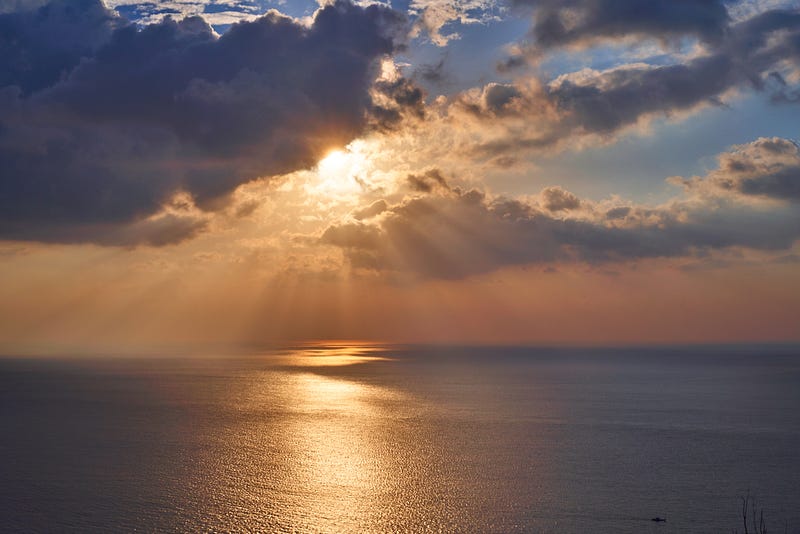
Photo by Timo Volz on Unsplash

Surprisingly, an average adult human body contains around 60% water.

Life flourishes in the most extreme places on our planet, but as I have said, without water, no life would exist.

The total amount of water in the oceans, seas, lakes, ice caps, and atmosphere is calculated at 1,386 million cubic kilometres; that number also includes water in the Earth’s crust. Over 96% is saltwater, and the small amount leftover is fresh water found in the lakes, rivers, and in the atmosphere.

One cubic kilometre of water contains one trillion litres. We see flooding due to heavy rainfall in many parts of the world, which is not surprising when you realise that at any one time the Earth’s atmosphere could hold up to 13 thousand cubic kilometres of water.

Just over 70% of the Earth’s surface is covered with water; the deepest part of any ocean is the Mariana Trench, which is almost 11 kilometres at its deepest point.
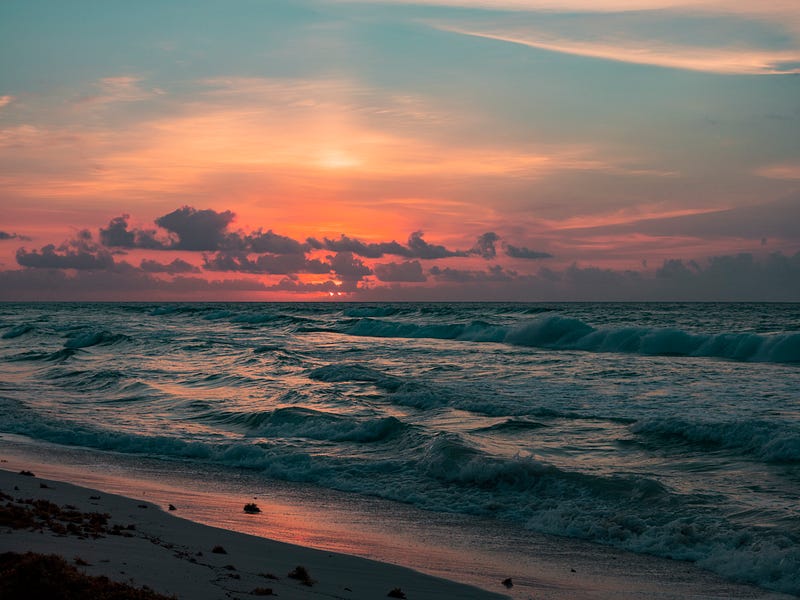
Photo by Aaron Huber on Unsplash

It is just as well that the surface of the Earth has deep oceans and high mountains; if it were a smooth sphere, then there would be no dry land, and the depth of the water all around the globe would be roughly 2.7 kilometres. If that were reality, then we land-dwellers would have never existed.

It is now thought that water existed on the Earth as it formed 4.5 billion years ago. Incoming comets and asteroids that bombarded our young planet may have contributed to the water we see today.

The end

To be honest, I am not an astronomer, cosmologist, or biologist, but my interest in the universe and life goes back many years. The information in my articles is, to the best of my knowledge, accurate.

You may find some of my easy-to-understand stories about the universe and life interesting and educational. Enjoy

Water
Freshwater Lakes
Oceans
Liquid
H2o
Recommended from ReadMedium