
The Greatest Nutritional Principle for Weight Loss That No One is Talking About
How you eat your food is just as important as what food you eat.
What is the best diet for weight loss? If you’ve ever been in the situation where you needed to lose even just a few pounds, you may have asked yourself that question.
That answer depends on who you ask and what their current flavor of the month is. One minute you hear about the Paleo diet, then Keto, Carnivore, and don’t forget about the Vegan diet or Intermittent Fasting.
Just minutes before sitting down to write this, I was walking through Barnes and Noble and somehow landed in the weight loss aisle. Through all the smiley-faced book covers and attractive titles, I suddenly felt a brief rush of anxiety. It almost didn’t seem real. You have book after book of regurgitated nutrition information.
I took a step back and realized: this is the time in which we live — Weight loss is a thing and a popular one at that.
Then my brain thought a little deeper — the time in which we live?
If this is part of the time we live in, were things different, say 30, or 50 years ago?
So, I took a journey back in time and researched obesity statistics for adults in the US. When the CDC first started measuring obesity by number, the year was 1962. That year the obesity rate among adults in the US — 23.9%
Fast forward to the year 2010, and studies show 65.7 percent of US adults fall into the category of overweight or obese.
Wait, it gets better.
Forecast shows that by 2030, (just ten years from today), the overweight obesity numbers will at:
(gulp) 85%.
Ok, enough with the numbers. I just wanted to make a quick point.
But seriously, what gives?
With all the great information out there, continuing to get published, how are we in the most obese time in the history of the world? And is diet the solution?
Maybe, but I’m starting to think that’s a smaller part of the equation that book writers are selling.
You see, when it comes down to weight gain, the most common reason that people add weight is over-eating, and that’s a fact. Overeat on any diet, and there is a good chance you’re gaining weight.
So, why are we overeating?
Well, that could be a variety of reasons, including eating on the run, stress, mindless eating, bad food choices.
A few years ago, during my nutrition studies, I took a course with an online nutrition company, Precision Nutrition. They are one of the biggest nutrition coaching companies in the world.
I remember when I was mailed my study materials, the first thing I did was search for the list of meal plans and the ideal foods for weight loss.
After about an hour of hopeless searching, I found none of the above. It made me have second thoughts and almost asked for a refund. How can you send me a top nutrition course and not have a diet plan associated with it??
When I finally got off my high-horse and read through the material, what I found was they used a different approach. The book didn’t recommend any specific diet. Instead, it taught a core set of nutrition principles. Principles that you can apply with or without dieting. I was skeptical at first, but I was open to the possibility that maybe they knew what they were doing.
In total, there’s about a dozen principles in all, but there was one that stood out. Not because it seemed any better than the others. It may be the most fundamental principle of the bunch. But anybody who I’ve ever recommended this principle to has told me that it’s a game-changer.
Without further ado, the eating principle I’m referring to is:
Eat Slow
Before you click off, I’d like you to suspend disbelief for just a minute and let me tell you why eating slowly is vital for losing fat.
Although the concept may seem fundamental, there is some magic going on behind the scenes when you implement it.
The hardest part: people aren’t doing it. But I’m going to help you with that in just a minute here.
First, let me tell you why it works.
Satiety Signals Kick In
From the moment you begin eating, it takes about 20 minutes for your brain to tell your body, “hey, we are good to go. No more fuel necessary.”
Now, if you’re a fast eater, you’re usually one burger and an extra-large fry too late. By the time the signal kick in, you’re regretting your food choices.
If you do eat slow enough and you give it time to kick in, you realize, “Hey, I don’t need that much food to feel full.”
The result: you eat less overall. Practice over time, and you’re eating much less.
Digestion is better
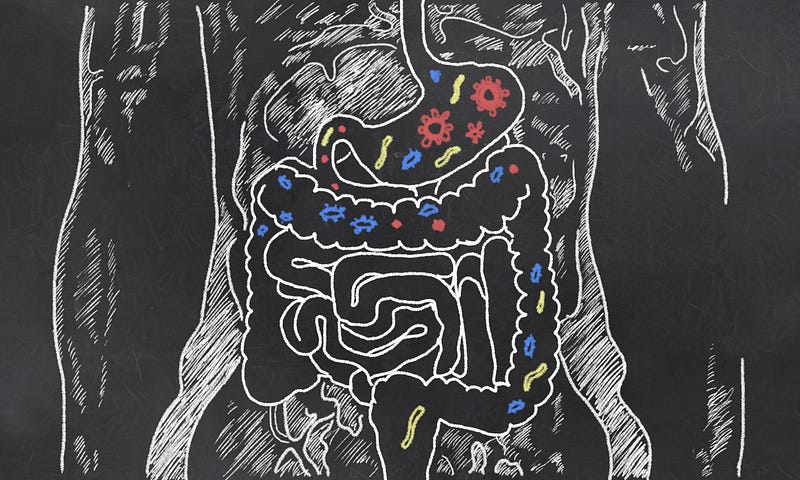
Digestion starts in the mouth. Saliva has enzymes that initially will begin preparing food for digestion. Unfortunately, food doesn’t spend enough time in our mouths to capitalize on this.
Also, the more chewed up and ground down food is, the easier time your body will have moving food through the rest of the digestive process.
Food no longer controls you
Eating slowly will give you a sense of control. Do it enough, and that control begins to compound like any other habit. Having that control comes in handy when deciding when to eat, and more importantly, what to eat.
Are you ready to slow it down?
Great, so let me get you started with a few action items to make slowing down more straightforward than ever.
“To eat is a necessity, but to eat intelligently is an art.” — La Rochefoucald
Time Yourself
Using the stopwatch on your phone, time how long it takes you to eat. This step is usually the awakening for most people. They don’t realize how fast they are scarfing down the donuts.
Now that you have a baseline, you want to extend the time every time you eat. The longer, the better. Keep in mind that those satiety signals kick in about twenty minutes into a meal.
Pause between bites
Start with putting your fork down. Then, taste the flavors of food in your mouth; enjoy the textures of what you’re eating. Now, take a couple of breaths.
Chew
No, I mean, really get in there and chew your food. To add a mindfulness component to this, count the number of times you are chewing each mouthful. Nice, slow, and steady.
You should not have solid pieces of food going down the hatch. It should be a nice puree. (I know that’s kind of gross…if you have a better description please drop in the comments)
Conclusion
While what you eat is important, keep in mind that how you eat matters.
Eating slow might be the most impactful action you can add for losing that stubborn body fat.
As always, slow and steady. Start with one meal, and gradually incorporate into all your meals. Eventually, you will identify as a slow eater, and the rest is history.
Give it a shot for a week, maybe two. And then stop back here and let me know how it goes; I’d love your feedback.
Bon Appetit.


