avatarDelilah Brass

Free AI web copilot to create summaries, insights and extended knowledge, download it at here

2695

Abstract

y. No, it doesn’t have wings. It’s a regular-looking snake that has a penchant for catching air. Its proper name is <a href="https://www.nationalgeographic.com/animals/reptiles/facts/flying-snakes#:~:text=the%20flying%20squirrels.-,Scientists%20don%27t%20know%20how%20often%20or%20exactly%20why%20flying,possibly%20even%20to%20hunt%20prey.">Chrysopeleia</a>. If you’re a crazy fool and want to see these guys in action, they can be found in South East Asia. It made me reconsider any trips to Sri Lanka…</p><p id="f6d7">Why does it fly? I can hear you asking. Well, because why would it not? Honestly, though, the jury's out, no one truly knows. Perhaps you will be the one to discover the reason behind this gravity-defying act.</p><h2 id="e41a">Purple frog</h2><figure id="a8ab"><img src="https://cdn-images-1.readmedium.com/v2/resize:fit:800/1*pDeMklzWLY2YXuh_KHhTZQ.jpeg"><figcaption>Image by Unnikrishnan Nair P.K. — Own work, CC BY-SA 4.0, <a href="https://commons.wikimedia.org/w/index.php?curid=59902098">https://commons.wikimedia.org/w/index.php?curid=59902098</a> from Wikimedia Commons</figcaption></figure><p id="a7f2">This fella looks like he belongs to the set of Stranger Things. In fact, he lives in India and spends all of his life underground. He peaks his head above the earth only to procreate. What a life.</p><p id="5a1d">Despite only being discovered in 2003, <a href="http://www.edgeofexistence.org/species/purple-frog/">they are considered endangered</a>. We only just got to meet these guys and our days are already numbered. Feck.</p><h2 id="7113">Sloth</h2><figure id="c12e"><img src="https://cdn-images-1.readmedium.com/v2/resize:fit:800/0*ik5KlRAomPXMV9gs"><figcaption>Photo by <a href="https://unsplash.com/@billsworld?utm_source=medium&amp;utm_medium=referral">William Phipps</a> on <a href="https://unsplash.com?utm_source=medium&amp;utm_medium=referral">Unsplash</a></figcaption></figure><p id="401b">Who doesn’t love <a href="https://www.worldwildlife.org/species/sloth">a sloth</a>? Oh, you don’t. Go to hell, you philistine.</p><p id="01b7">They move fascinatingly slow and have a childlike charm about them. Mind-blowing fact, they only go poo poo once a week. By some miracle, though, they kindly retreat from the canopy and do this bodily function at ground level. Thank god. Flying feces is a step too far.</p><p id="7724">Their abilities are not limited to moving unusually slow. They can also turn the head 360 degrees. Take that owl.</p><h2 id="828e">Goliath Birdeater</h2><p id="2a9d"><a href="https://www.nationalgeographic.com/animals/invertebrates/facts/goliath-birdeater">This arachnid</a> has earned the accolade of being the biggest spider on t

Options

he planet. It can grow to reach almost one foot. A real-life Aragog. They have fangs to match their obscenely large proportions. They are one inch and are the delivery method of the poison which they pump into their prey before they liquefy and consume it.</p><p id="6ddc">This species experiences some serious gender inequality, the females live up to twenty years and the males are lucky to make it to six. It’s not a man’s world for spiders.</p><h2 id="2178">Glass frog</h2><figure id="f312"><img src="https://cdn-images-1.readmedium.com/v2/resize:fit:800/1*dFVQqks4lwyeCZMPjxcpwQ.jpeg"><figcaption>By Geoff Gallice from Gainesville, FL, USA, CC BY 2.0 <<a href="https://creativecommons.org/licenses/by/2.0">https://creativecommons.org/licenses/by/2.0</a>>, via Wikimedia Commons</figcaption></figure><p id="6a31">Frogs again, I can’t get enough of these amphibious beauties.</p><p id="1f12">The glass frog made the cut because its body is see-through. Could you imagine if human being’s bodies were the same? If we could see people’s organs through their skin. Something tells me it would be less majestic and more disconcerting.</p><h2 id="8db2">Shoebill</h2><figure id="a686"><img src="https://cdn-images-1.readmedium.com/v2/resize:fit:800/0*YM3TQdISB83bKTXm"><figcaption>Photo by <a href="https://unsplash.com/@ejimo?utm_source=medium&amp;utm_medium=referral">Tomáš Ejem</a> on <a href="https://unsplash.com?utm_source=medium&amp;utm_medium=referral">Unsplash</a></figcaption></figure><p id="7013">This fierce predator resembles something from the Jurassic period. Like some sort of feathered pterodactyl. Its primitive glare never cannot terrify me.</p><p id="2c74">Much like the animals from the past, this bird displays some huge dimensions. Growing 4 ft in height. The Shoebill is as fierce as it is ancient. They are not shy about taking on <a href="https://www.nationalgeographic.com/animals/birds/facts/shoebill">crocodiles.</a></p><h2 id="f720">Venezuelan poodle moth</h2><p id="82d3">Those who discovered <a href="https://www.ourbreathingplanet.com/venezuelan-poodle-moth/">this cute, but creepy little insect</a> named it so because they think it looks like a poodle because of its hairy body.</p><p id="0d23">I disagree. I think it looks more like a Gremlin. So I propose we lobby the insect naming authority to rename it the ‘Venezuelan Gremlin.’</p><p id="7f0a">I wish, I wish I had the right to a photo of one, but I don't. I encourage you to discover their image of your volition.</p><p id="9012">So there you have it. A selection of some of the most intriguing beings of the living world.</p><p id="9863">April 2021</p><p id="6c79">Delilah Brass</p></article></body>

NATURE | BEAUTY

The Most Amazing Animals in the World

Let’s take a moment to recognize how spectacular mother nature is and marvel at some of her most audacious specimens.
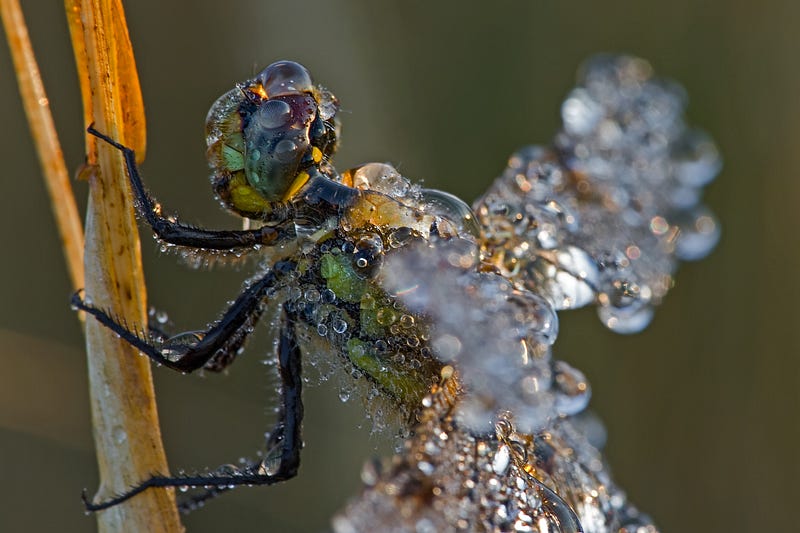
Photo by Dorothea OLDANI on Unsplash

This beautiful planet, which we all have the phenomenal pleasure to call our home, is being shared with countless creatures. So this is me paying much-deserved homage to them, because well, why not?

If I could, I would include hundreds of these critters, but in the name of concision, I will limit it to the stars of the show.

Goat
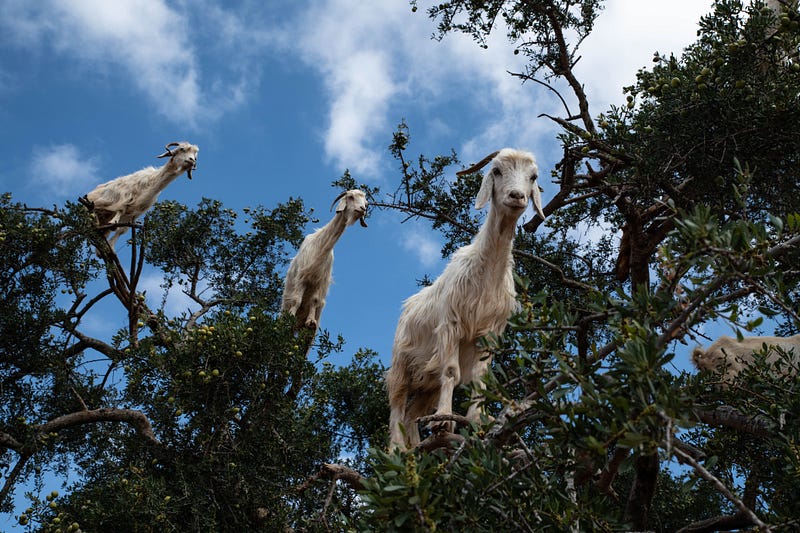
Photo by mana5280 on Unsplash

I don’t think I need to explain why these goats are so remarkable. A picture is worth a thousand words.

Many may feel tempted to disregard these familiar mammals as generic and boring. Anyone who states such blasphemy needs to be shown the tree climbing abilities of the goats found in Morocco. Enlighten those who are in the dark.

Not only do they appear to defy the laws of physics, but they’re also maximizing their biology by cramming four stomachs into their bodies. All this digestive action means they are known for burping. Nice.

Frigate
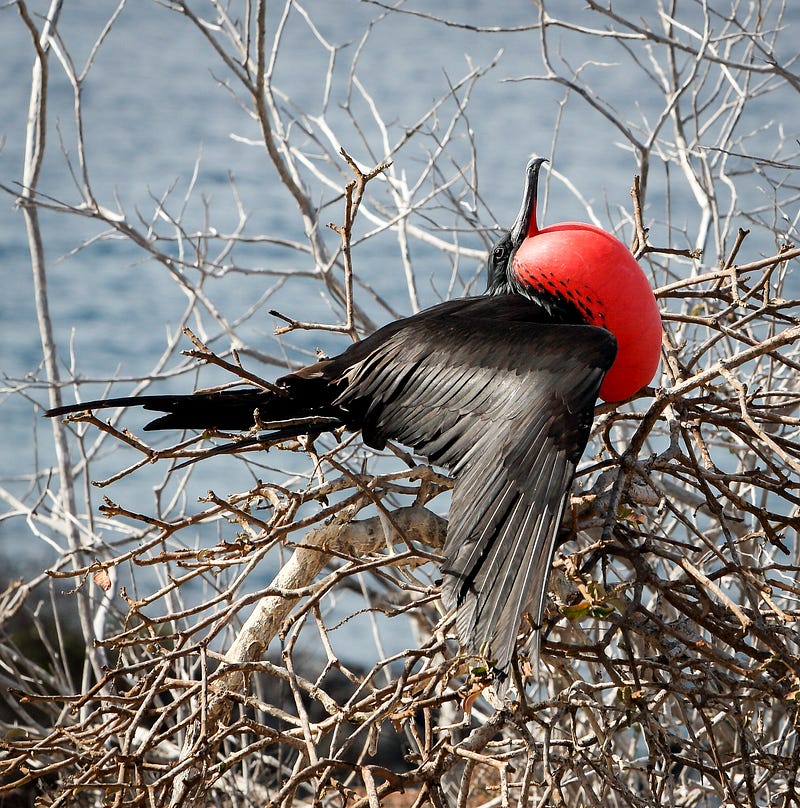
Photo by AussieActive on Unsplash

This head turner has the largest wingspan to body weight ratio in the world. It can fly for up to 2 months straight and it can even sleep whilst flying. A true aviation legend.

Flying snake

Yes, you read it right. There is actually a species of snake which can fly. No, it doesn’t have wings. It’s a regular-looking snake that has a penchant for catching air. Its proper name is Chrysopeleia. If you’re a crazy fool and want to see these guys in action, they can be found in South East Asia. It made me reconsider any trips to Sri Lanka…

Why does it fly? I can hear you asking. Well, because why would it not? Honestly, though, the jury's out, no one truly knows. Perhaps you will be the one to discover the reason behind this gravity-defying act.

Purple frog
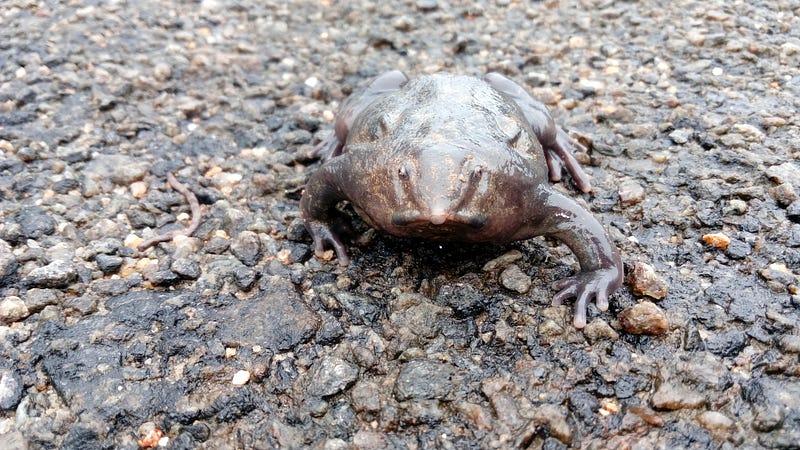
Image by Unnikrishnan Nair P.K. — Own work, CC BY-SA 4.0, https://commons.wikimedia.org/w/index.php?curid=59902098 from Wikimedia Commons

This fella looks like he belongs to the set of Stranger Things. In fact, he lives in India and spends all of his life underground. He peaks his head above the earth only to procreate. What a life.

Despite only being discovered in 2003, they are considered endangered. We only just got to meet these guys and our days are already numbered. Feck.

Sloth
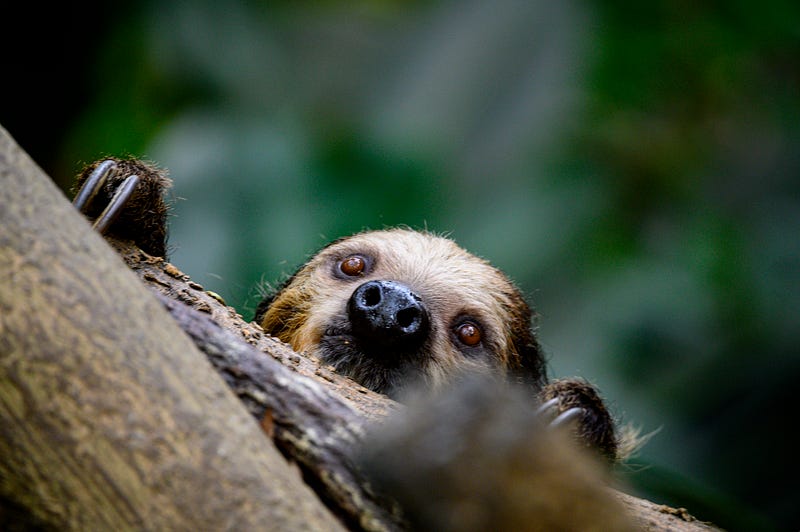
Photo by William Phipps on Unsplash

Who doesn’t love a sloth? Oh, you don’t. Go to hell, you philistine.

They move fascinatingly slow and have a childlike charm about them. Mind-blowing fact, they only go poo poo once a week. By some miracle, though, they kindly retreat from the canopy and do this bodily function at ground level. Thank god. Flying feces is a step too far.

Their abilities are not limited to moving unusually slow. They can also turn the head 360 degrees. Take that owl.

Goliath Birdeater

This arachnid has earned the accolade of being the biggest spider on the planet. It can grow to reach almost one foot. A real-life Aragog. They have fangs to match their obscenely large proportions. They are one inch and are the delivery method of the poison which they pump into their prey before they liquefy and consume it.

This species experiences some serious gender inequality, the females live up to twenty years and the males are lucky to make it to six. It’s not a man’s world for spiders.

Glass frog
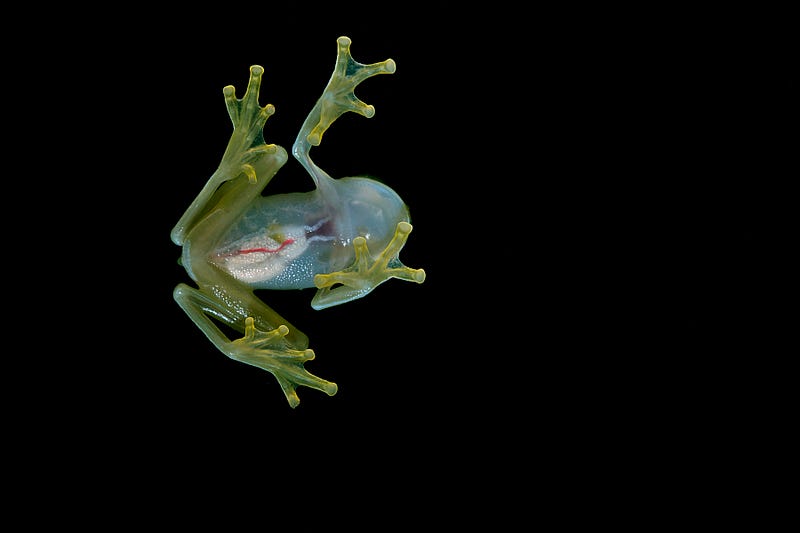
By Geoff Gallice from Gainesville, FL, USA, CC BY 2.0 <https://creativecommons.org/licenses/by/2.0>, via Wikimedia Commons

Frogs again, I can’t get enough of these amphibious beauties.

The glass frog made the cut because its body is see-through. Could you imagine if human being’s bodies were the same? If we could see people’s organs through their skin. Something tells me it would be less majestic and more disconcerting.

Shoebill
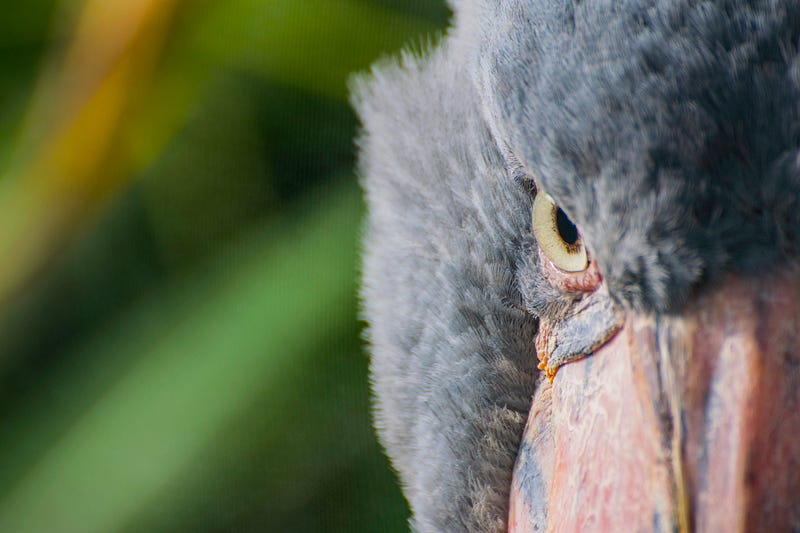
Photo by Tomáš Ejem on Unsplash

This fierce predator resembles something from the Jurassic period. Like some sort of feathered pterodactyl. Its primitive glare never cannot terrify me.

Much like the animals from the past, this bird displays some huge dimensions. Growing 4 ft in height. The Shoebill is as fierce as it is ancient. They are not shy about taking on crocodiles.

Venezuelan poodle moth

Those who discovered this cute, but creepy little insect named it so because they think it looks like a poodle because of its hairy body.

I disagree. I think it looks more like a Gremlin. So I propose we lobby the insect naming authority to rename it the ‘Venezuelan Gremlin.’

I wish, I wish I had the right to a photo of one, but I don't. I encourage you to discover their image of your volition.

So there you have it. A selection of some of the most intriguing beings of the living world.

April 2021

Delilah Brass

Nature
Science
Animals
Serendipity
Beauty
Recommended from ReadMedium