
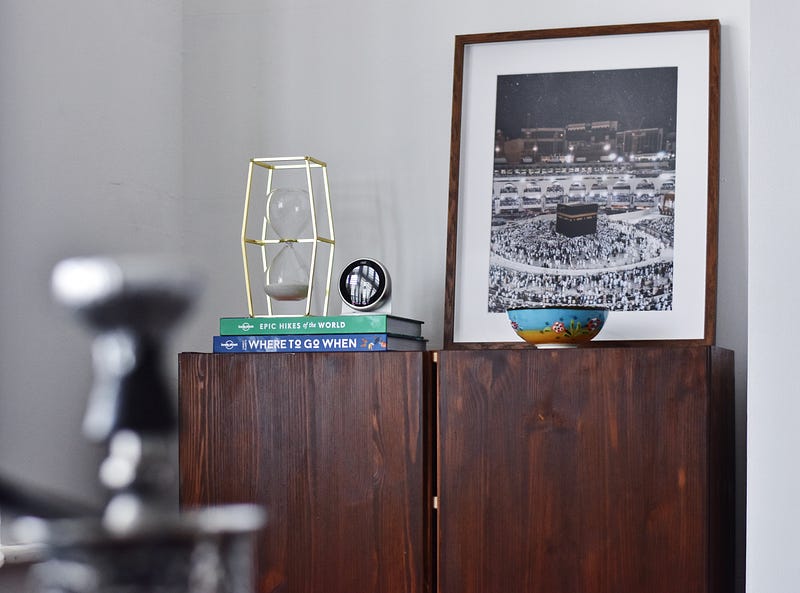
The Month Of Ramadan
A month of increased spirituality
Ramadan is the Islamic month where Muslims all over the world observe a period of self-restraint through fasting, supplemental prayers, and in constant remembrance to Allah.
The first few days of fasting was personally challenging.
I usually wake up at about 4.30 am in the wee hours to have my Sahur (breakfast). It was a struggle to whip something up when you aren’t fully functioning from your slumber.
But over time, my body begins adjusting itself and the routine sets in. Hunger pangs have eventually turned into subdued whispers, I dropped a pants size and I no longer have the craving for coffee which I routinely gulp down every morning.
As Ramadan is approaching the end in a couple more days, I dwell upon the benefits that have made me feel like a winner.
Recalibrate
If there is a word to summarize the entire month, it would be “recalibrate”.
When you’re fasting, your energy levels are lower than usual and, physical activities generally take a backseat.
Coupled with additional free time relieved from lunch, I personally become more introspective.
I ruminate on my actions, contemplating whether they lead me to become a better version of myself.
Personal improvement
Vices. We all have them.
Mine was thinking negatively about others.
I always think ill, with the suspicion that anyone who offers help or does good deeds are sure to solely benefit themselves in one way or another. Although I wasn’t that bitter than I formerly am, the thought process has lingered to me, like a bad aftertaste.
This month has been an opportune time for me to contain these negative thoughts from my mind.
Instill Gratitude
Humans are fallible beings. We forget and sometimes take things for granted.
When we abstain from something, we are reminded to cultivate a sense of appreciation for the lack of it.
“It is only when something is taken from us that we began to cherish its importance.”
From my experience, food usually tastes better during Iftar (the breaking of fast).
Gratitude, according to Robert Emmons and Michael McCullough is a two-step plan of a) “recognizing that one has obtained a positive outcome” and b) “recognizing that there is an external source for this positive outcome.”
To me, observing the fasting month imbues gratitude while at the same time quells envy, narcissism, and cynicism.
Generosity
Zakat is a compulsory charity which is prescribed to all Muslims, provided they meet the criteria. Apart from that, it is highly encouraged for all Muslims to supplement their acts by giving donations for the poor and needy.
We believe that good works that are performed in this blessed month have a multiplier effect on our deeds.
Ramadan is a time when Allah showers His Mercy to mankind. It is a time to hasten toward good works.
Although the blessed month may soon be over, the rewards are plenty for those who observe and remain steadfast.
While every Muslim remain hopeful to meet Ramadan again for next year, we know that there is no certainty since life is fleeting.
The only certainty we have is to make the best of the remaining now.


