avatarKabir

Summary

The article discusses the negative aspects and consequences of cancel culture, emphasizing its divergence from the original intent of activism and its potential to cause harm rather than promote constructive change.

Abstract

The concept of cancel culture, a modern form of ostracism in which someone is thrust out of social or professional circles, often on social media, is scrutinized in the article. It highlights how the practice, which began as a way to hold public figures accountable, has morphed into a quick-to-judge mentality that can lead to mass public criticism, unfollowing, and boycotting of an individual's work based on a single controversial statement or action. The article references the origins of the term, its popularization during the Me Too movement, and the divergence from its intended purpose of seeking justice for survivors of sexual assault to instead becoming a tool for retribution. It also notes the disappointment of Tarana Burke, the founder of the Me Too movement, and the perspective of Barack Obama, who cautions that cancel culture does not equate to true activism. The article suggests that the current form of cancel culture often results in disproportionate responses and may not effectively address underlying societal issues.

Opinions

  • The article implies that cancel culture has become overly contentious and may infringe on individual freedoms of expression.
  • It suggests that cancel culture, as practiced today, often involves snap judgments based on limited information, such as a single tweet.
  • The author indicates that cancel culture can be likened to mob mentality, which can be intimidating and lead to unfair treatment of individuals.
  • The article conveys that cancel culture has strayed from its original purpose during the Me Too movement, which was to support survivors of sexual violence, and has instead become a means to "cancel men" on social media.
  • Tarana Burke's opinion is highlighted, expressing that cancel culture does not solve the systemic problem of sexual violence in patriarchal societies.
  • Barack Obama's perspective is featured, criticizing cancel culture as an ineffective form of activism that focuses on "casting stones" rather than achieving meaningful progress.
  • The article points out that the practice can be exclusionary and disproportionate, using the example of the Indian film industry, where a producer faced widespread backlash following a star's suicide.

The Misuse of Cancel Culture

Canceling an individual just as we cancel a paid subscription
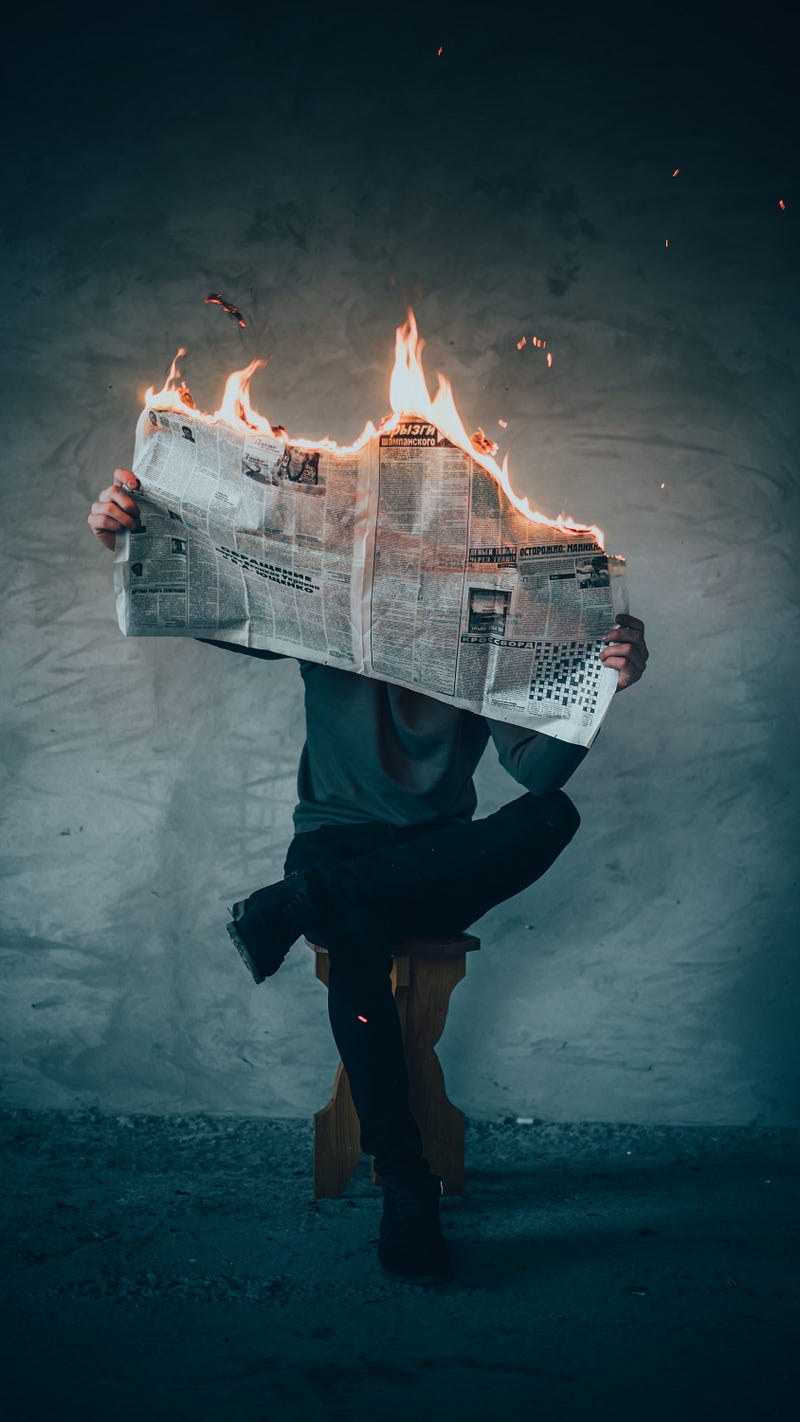
Photo by Elijah O'Donnell on Unsplash

The world has become contentious. Everybody has the freedom to express their views, opinions, judgment on social media platforms.

“Being judgmental about an individual from a single tweet. Unfollowing a celebrity on social media for an offensive or questionable post. Patronizing mob mentality and getting intimidated by it.”

Cancel culture refers to the boycott of an individual usually a celebrity or public figure who have posted something offensive or their perception has been unacceptable in public space.

Just as we cancel a paid subscription or an online order, this phenomenon cancels a celebrity or a company. The mass public criticism, unfollowing on social media platforms, and boycotting their work.

“Cancelling someone” possibly came out from a 1991 film ‘New Jack City’ that had a misogynistic joke. But this has taken a divisive turn and in effect defeats its own purpose.

Cancel culture garnered more limelight and was used a hashtag during the Me Too movement when popular personalities like Bill Cosby, Kevin Spacey were exposed and allegedly charged for harassment and sexual assault.

Though the online movement supported the case against the offenders but Tarana Burke who founded the Me Too movement in 2007 expressed disappointment that people have tweaked this movement literally to “cancel men”. She made it clear, “Cancelling men on social media would not solve the problem of sexual violence in our patriarchal societies.”

Justice is better served when it is restorative, not retributive. — Tarana Burke

Similarly, the famous comedian Kevin Hart withdrew himself from hosting the Oscars in 2019 when viewers re-surfaced his old homophobic and racist tweets from the past.

Recently in India, the suicide of a famous film-star has led people to cancel a well-known producer and his production-house by the people allegedly charging him on grounds of mockery and nepotism towards struggling actors in film industry. There has been a mass protest against him and a sudden drop in his follower count on Instagram.

Barack Obama calls out that cancel culture is not activism. The youth activists condemning an individual or a celebrity in a flurry of social media posts is unfair.

If all you’re doing is casting stones, you’re probably not going to get that far. — Barack Obama

Snapping judgment and dumping celebrities on social media based on perceived offensive comments has been observed as a practice.

This culture seems to be turning exclusionary and often disproportionate.

Cancel Culture
Internet Age
Judgmental
Social Media
Misuse
Recommended from ReadMedium