
The Misconceptions of Psychology
There are some confusions and misconceptions about psychology that you should be aware of before you even think about studying the subject
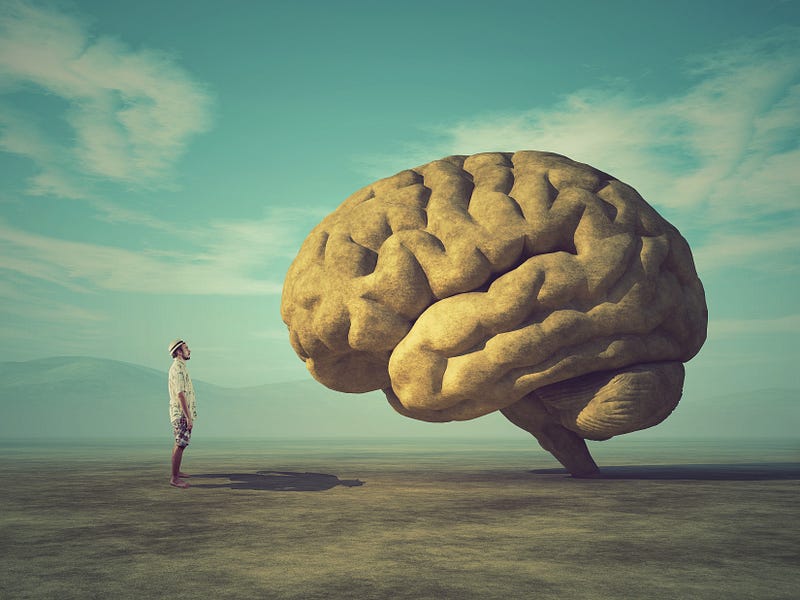
The Reality of Psychology’s Confused Nature
There are so many inaccurate pre-conceived notions over what psychology is and what psychology isn’t. The majority of things that people say and think about psychology are actually untrue. If students are not aware as to the falseness of such common-sense claims, then psychology is a subject that is bound to leave them feeling shocked or confused over what psychology really is about. In this article, I am going to clear up on all of the misconceptions and confusions about psychology, so that by the end of this story you will have a much better idea of how psychology really works and what to expect when you chose this domain as an academic pursuit. I will make a list of four statements that both myself and one of my former psychology tutors constantly hears people say about psychology and I will explain why these statements are completely false.
1. Psychology isn’t a science

Now, even though this statement is obviously untrue, you would be surprised to know that some people actually believe this claim to be valid. The reason for that is because psychologists are unable to prove theories and some psychologists like Sigmund Freud often leaned more towards less scientific research methods (e.g. case studies, surveys) in which they could distort evidence to support their claims. While this may be true, most psychologists keep it simple and stick to the scientific script by building theories which can be properly and scientifically tested through research that either confirms or refutes their proposals. This is why psychology is officially classified as a scientific area of study.
2. Psychologists are mind readers
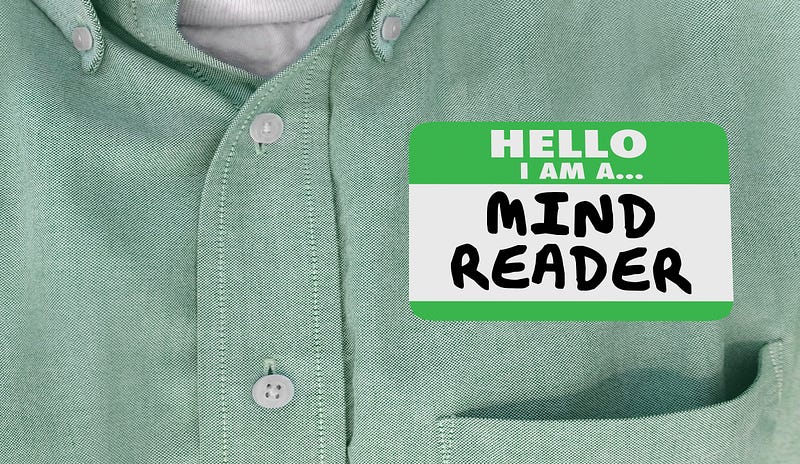
No, they most certainly are not and this arguably the most absurd one that I have ever heard. Psychologists, as professionals, though, can make very strong guesses as to what a person may be thinking based on observable behaviours. However, they cannot take out someone’s brain to find exactly what that person is thinking about. The things that a person thinks about remains private unless they choose to openly express them with others.
3. Psychology and Psychiatry are pretty much the same thing

This confusion makes more sense than any of the other ones I have mentioned above as the work of psychologists and psychiatrists is similar in many ways but slightly different. Both psychologists and psychiatrists share an understanding of how the human mind works and often develop theories to explain why people behave the way they do. However, the only difference between the two is that psychiatrists are licensed doctors who can prescribe medications, diagnose patients and give therapeutic treatments whereas psychologists can only give therapy. Though, psychologists do exercise the right to refer patients to psychiatrists if they firmly believe that a patient is yet to be diagnosed with a mental or behavioural condition or if any existing mental or behavioural conditions are in need of treatment or therapy.
4. Psychology is all about self-discovery

If you think that after having learned psychology that you will eventually discover yourself, you may want to think again. While psychology is the study of the individual, it is the study of individuals in general rather than a study of specific individuals. In other words, if you choose to study psychology, then you will learn why people in general do what they do rather than why you do what you do. If you want to enhance your understanding of general human behaviour then psychology is for you but if you want to go on a journey of self-discovery instead, then maybe travelling world or looking at motivational books and videos are your best alternatives.
Final Thoughts
If you are new to studying psychology and can come to terms with everything I have said in this article, then psychology really should not cause you any kind of confusion whatsoever. I got so caught up on my pre-conceived ideas about what I thought psychology was when I first learned it and I was not understanding a single word my tutor would say. Though, as soon as I came to realise how inaccurate my initial perceptions were, I began to understand psychology so much better and found myself enjoying the subject a lot more than what I did to begin with. Psychology is really no different from any other subject, it takes some time to become completely familiar with and fully understand its elements and once you do then your perception will change improvably.
I hope you enjoyed reading this story and if you did then please feel free to clap and follow me for more stories like this in the future.
Also, if you would like to support my work through a generous giving of your money, you can simply do so by clicking the link here to my paypal donation page where you can input an amount of your choice (preferably a minimum amount equivalent to the price of a cup of coffee :)).
Another way you can support my work is by becoming a monthly medium member for only $5 a month which will provide you with unlimited access to a range of interesting stories from an interesting range of topics posted on medium. If you subscribe through my referral link here, this will allow me to receive half of the proceeds from your subscription fee.
Thanks for Reading!