
The Miraculous Influence of House Plants: 7 Ways They Improve Your Wellbeing
Let those allies change you and your space
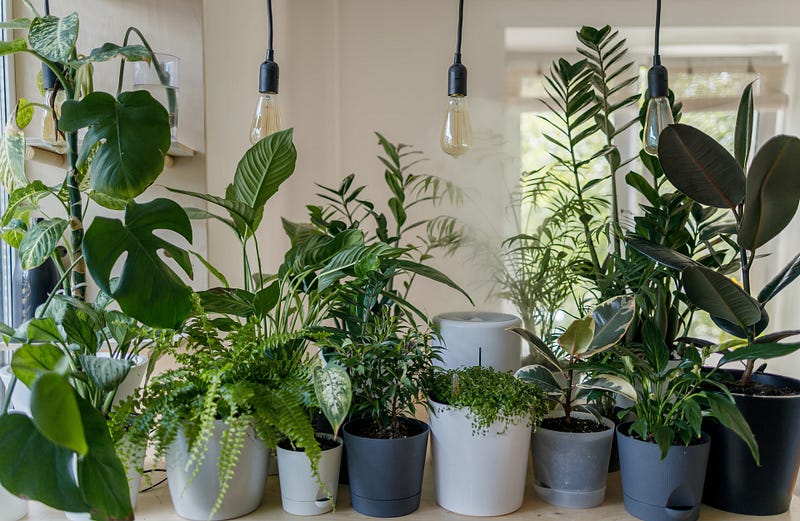
Plants influence us in more ways than we can imagine.
They liven up and add character to a space. They can completely transform a dull and uninviting interior. But their presence has also a huge impact on our well-being.
Here are 7 ways that indoor plants leverage our physical and mental health:
Promote Healing
Having plants and flowers around speeds up the process of recovery from illness, injury, or surgery.
Patients after different kinds of surgery didn't need so much pain medication and stayed in hospital shorter than those who didn’t have greenery around when they recovered, research revealed.
Reduce the Intensity of Noise
Deflection, absorption, and refraction — these are the three ways that plants decrease noise levels in a room. They may convert the sound into different forms of energy, absorb it, or prevent the echoes.
Increase Productivity
People who have more plants around in their office are more productive and take fewer sick leaves, a study proved.
Another study showed that employees became 15 percent more productive after plants were put in an office where previously were no plants at all.
Bring Stress Relief
Caring about houseplants can lower both physiological and psychological stress.
A study showed that people who worked with plants had later a reduced stress response — among others lower heart rate and blood pressure — than those who completed a brief computer-based task instead of repotting plants.
It’s worth noting that the participants of the study were young men for whom computerized work was an obvious thing.
Sharpen Your Focus
Live plants in a room help us concentrate better and be more attentive. It was proved by a small study with 23 participants.
Researchers measured the performance of students in different classroom conditions: with a real plant, a fake one, a photograph of a plant, and without a plant. Brain scans confirmed that green plants in a room improved concentration and enhanced the attention of the study participants.
Purify the Air You Breathe
You can get rid of indoor pollutants and common toxins thanks to plants.
“The air purification ability of plants depends on factors such as the size of the plant, size of the indoor space, and amount of toxins in the air, but 6 to 8 medium to large plants throughout a large room should be enough to make a noticeable difference in the air quality,”
— says associate director of the Horticultural Therapy Program at Rutgers, Gary L.Altman.
Dust the leaves regularly to help the plants perform better. From time to time take them outside. This will help them ‘recharge’ in natural sunlight.
Improve Mental Well-Being
Working with plants increased feelings of well-being in patients with anxiety, dementia, depression, and other conditions after researchers introduced horticultural therapy to the study.
Though this is not a common practice, potted plants are prescribed to patients with anxiety and depression in some places like Medical Clinics in Manchester, England.
Conclusion
Go ahead and invite nature (or more nature, if you already have some) to your home or office. It will change the visual appeal of your space and bring you several health benefits.


