
The Millennium Bug The Y2K Bug Year 2000 How Systems Welcome The 2000s
What really happened that day ?
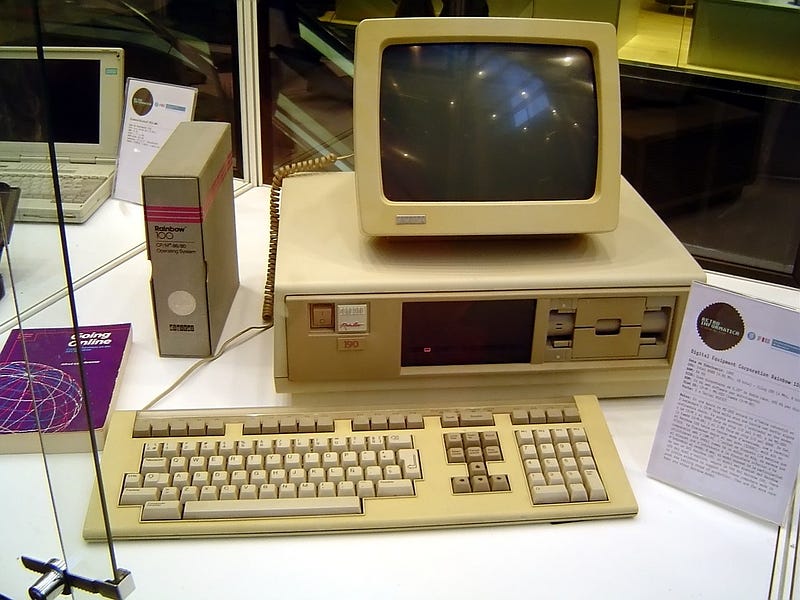
The Millennium Bug also known as Y2K bug or the Year 2000 Problem, was a significant concern as the world approached the turn of the millennium. The issue stemmed from the widespread use of two-digit year codes in computer systems, where the year was represented by only the last two digits (e.g., ‘99’ for 1999).
As the year 2000 approached, there was a growing fear that computers and software systems might interpret the year ‘00’ as 1900 instead of 2000, potentially leading to malfunctions and disruptions across various industries.
The root of the Y2K problem lay in early programming practices that aimed to conserve memory and storage space by using two-digit representations for years. As a result, many computer systems and embedded technologies faced the challenge of distinguishing between the 20th and 21st centuries when transitioning from December 31, 1999, to January 1, 2000.
The fear was that miscalculations could lead to system failures, affecting everything from financial transactions to utilities and transportation systems. Governments, businesses, and organizations worldwide launched extensive Y2K readiness initiatives to identify and rectify potential issues.
This involved thorough testing and updating of computer codes, applications, and embedded systems to ensure they could accurately process and record dates beyond December 31, 1999. The scale and complexity of the task were enormous, given the ubiquity of computer systems in virtually every aspect of modern life. In the months leading up to the new millennium, there was a heightened sense of anticipation and concern regarding the possible impact of the Y2K bug.
However, as the clock struck 12 midnight on January 1, 2000, it became clear that the vast majority of systems had been successfully prepared. Relatively few significant issues occurred, and the potential catastrophic scenarios that had been feared did not materialize on a global scale.
The Y2K bug serves as a proof to the importance of risk management in the face of evolving technology. The extensive efforts to address the issue demonstrated the collaborative nature of the global response, with governments, businesses, and technology professionals working together to avert potential disruptions and ensure a smooth transition into the new millennium.
Please follow me and subscribe to my profile for inspiring and entertaining stories.
The Y2K bug is a testament to the importance of proactive risk management in the face of evolving technology. The extensive efforts to address the issue demonstrated the collaborative nature of the global response, with governments, businesses, and technology professionals working together to avert potential disruptions and ensure a smooth transition into the new millennium.


