avatarKesh Anand

Free AI web copilot to create summaries, insights and extended knowledge, download it at here

2950

Abstract

id="c143">In much of Asia — the press is not free; often serving as little more than a mouthpiece of the establishment.</p><p id="4ef8">This leaves a vacuum.</p><p id="06af">Who can help rein in rulers who have strayed from the good of the country?</p><p id="e6d8">Who can you trust to be in a multi-ethnic state to be relatively impartial?</p><p id="9a75">What other institution has representatives from all layers and sections of society, and wields enough power to actually enforce its agenda?</p><p id="4979">The answer to all these questions is the military.</p><p id="334b" type="7">But why does the military have so much social trust?</p><p id="63d8">Because they’ve earned their stripes (pun not-intended) through their involvement in their respective independence movements and stewarding the fledgling countries through their tumultuous early years during the 20th century.</p><p id="3f86">In Vietnam — the Northern army and the Viet Cong were clearly the driving force of the fight for independence and unification. A war known all too well by across the globe.</p><p id="fcae">In Indonesia — the army not only fought the 4-year independence war with the Dutch, but they also had to quell domestic threats from both the Communists and the Islamists.</p><p id="293d">In multi-ethnic Burma — independence from the British saw increased activity rise of separatism from the Karens, Shans and other minorities. It was the military that helped subdue these.</p><p id="ef2c">In Thailand — while they did not have a colonial master from which to free themselves; they did have a revolution in 1932 to transition the monarchy from an absolute one to a constitutional one. This saw the head of the military take on the role of <a href="https://en.wikipedia.org/wiki/Plaek_Phibunsongkhram">Defence Minister </a>and over time saw the armed forces take on more and more political power — and lead coups.</p><p id="05a3">Similar elements to the above played out in other South East Asian countries — such as the quelling of Communists in Malaya and the Philippines.</p><p id="5360">All said and done — it is the military who have safeguarded the various revolutions across the region, and amongst the populace — have the most trust.</p><h1 id="81fc">#2: They’re Not Liberal Democracies</h1><p id="07c4">The majority of these countries run a parliamentary system to govern their country — and regular elections to nominate representatives.</p><p id="cf1a">The thing is — they’re not the same type of democracy.</p><p id="1779">For one thing — these societies are more collectivist in nature. The ideas of liberalism that are anchored in the importance and rights of the individual carry less weight here.</p><p id="89b4">In the South East Asian psyche — the good of the many is more important than often hard to grasp concepts like civil liberties.</p><figure id="2d86"><img src="https://cdn-images-1.readmedium.com/v2/resize:fit:800/0*Tz4fMvmeF7wtrXzg

Options

.png"><figcaption>Green and blue countries have cultures are more individualistic; red ones are relatively collectivist || Credit: <a href="https://commons.wikimedia.org/wiki/File:Individualism_versus_collectivism_worldwide.png#/media/File:Individualism_versus_collectivism_worldwide.png">wikimedia commons</a></figcaption></figure><p id="628c">You can see this manifest clearly in countries like Cambodia, Laos , Vietnam and even Malaysia and Singapore — where politics are overwhelmingly dominated by a single party.</p><p id="285f">So it goes — that should an unelected actor (like the military) step in; it is not as fragrant a violation of the electorate’s civic rights.</p><p id="1100">What are your thoughts? Are there other reasons why the military might be such a political actor in South East Asia?</p><p id="4585">Let me know in the comments below!</p><p id="50e1"><i>You may also like:</i></p><div id="3fef" class="link-block"> <a href="https://readmedium.com/why-were-the-malayan-emergency-and-vietnam-war-so-different-40bfccb424c7"> <div> <div> <h2>Why were the Malayan Emergency and Vietnam War so different?</h2> <div><h3>One was a communist victory with a great many dead and televised across the world; the other a half-forgotten police…</h3></div> <div><p>medium.com</p></div> </div> <div> <div style="background-image: url(https://miro.readmedium.com/v2/resize:fit:320/1*pkDuwy3zEzni8EHKTfdcBA.jpeg)"></div> </div> </div> </a> </div><div id="dbc1" class="link-block"> <a href="https://readmedium.com/why-dont-tamil-people-have-last-names-e68327e9444c"> <div> <div> <h2>Why Don’t Tamil People Have Last Names?</h2> <div><h3>It’s the result of one of the world’s greatest social reform movement to de-stratify society</h3></div> <div><p>medium.com</p></div> </div> <div> <div style="background-image: url(https://miro.readmedium.com/v2/resize:fit:320/1*-4j0j0lCIyHPMVi5Y6QEhA.png)"></div> </div> </div> </a> </div><div id="4cb2" class="link-block"> <a href="https://readmedium.com/why-is-bali-still-hindu-5719cc64ffb"> <div> <div> <h2>How Did Bali Remain A Hindu Island?</h2> <div><h3>Right in the middle of the world’s most populated Muslim country — lies Bali, a Hindu majority island. How Is This So?</h3></div> <div><p>medium.com</p></div> </div> <div> <div style="background-image: url(https://miro.readmedium.com/v2/resize:fit:320/1*si3FqN9WmGGcGZ-kD-tnyg.png)"></div> </div> </div> </a> </div></article></body>

The Military Are a Natural Part of South East Asian Politics

Their non-partisan nature makes them the most trusted actor to safeguard the revolution

Credit: thenounproject.com

In America — serving members of the military seldom endorse presidential candidates or engage in partisan politics. Many — even abstain from voting altogether during the duration of their service.

Across Europe and Australia — the situation is similar. Seldom do active members of the military speak out on political matters (or when they do — it is a clear breach of convention).

If verbal involvement in politics is frowned upon — then it goes without saying that any actual direct control of political power would cause extreme alarm amongst the populace and condemnation from the international community.

But half way across the world — things are very different.

News of a military led coup and running of government in Burma or Thailand would not shock many.

The direct support of the armed forces that enabled Presidents in Indonesia, Philippines and Cambodia to hold power for multi-decade tenures are taken to be a matter of course.

How could this be?

Why is it that in Western countries — direct political control by the military is blasphemous but in the South East Asian Democracies — it is considered far more natural?

There are two major reasons for this:

#1: In Asia — the Military is the fourth estate

Credit: thenounproject.com

In Western countries, the role of a free and open press is considered paramount to the functioning of a democracy.

So much so, that they are considered the fourth estate (the first three being the clergy, nobility and commoners from pre-revolutionary France).

In much of Asia — the press is not free; often serving as little more than a mouthpiece of the establishment.

This leaves a vacuum.

Who can help rein in rulers who have strayed from the good of the country?

Who can you trust to be in a multi-ethnic state to be relatively impartial?

What other institution has representatives from all layers and sections of society, and wields enough power to actually enforce its agenda?

The answer to all these questions is the military.

But why does the military have so much social trust?

Because they’ve earned their stripes (pun not-intended) through their involvement in their respective independence movements and stewarding the fledgling countries through their tumultuous early years during the 20th century.

In Vietnam — the Northern army and the Viet Cong were clearly the driving force of the fight for independence and unification. A war known all too well by across the globe.

In Indonesia — the army not only fought the 4-year independence war with the Dutch, but they also had to quell domestic threats from both the Communists and the Islamists.

In multi-ethnic Burma — independence from the British saw increased activity rise of separatism from the Karens, Shans and other minorities. It was the military that helped subdue these.

In Thailand — while they did not have a colonial master from which to free themselves; they did have a revolution in 1932 to transition the monarchy from an absolute one to a constitutional one. This saw the head of the military take on the role of Defence Minister and over time saw the armed forces take on more and more political power — and lead coups.

Similar elements to the above played out in other South East Asian countries — such as the quelling of Communists in Malaya and the Philippines.

All said and done — it is the military who have safeguarded the various revolutions across the region, and amongst the populace — have the most trust.

#2: They’re Not Liberal Democracies

The majority of these countries run a parliamentary system to govern their country — and regular elections to nominate representatives.

The thing is — they’re not the same type of democracy.

For one thing — these societies are more collectivist in nature. The ideas of liberalism that are anchored in the importance and rights of the individual carry less weight here.

In the South East Asian psyche — the good of the many is more important than often hard to grasp concepts like civil liberties.
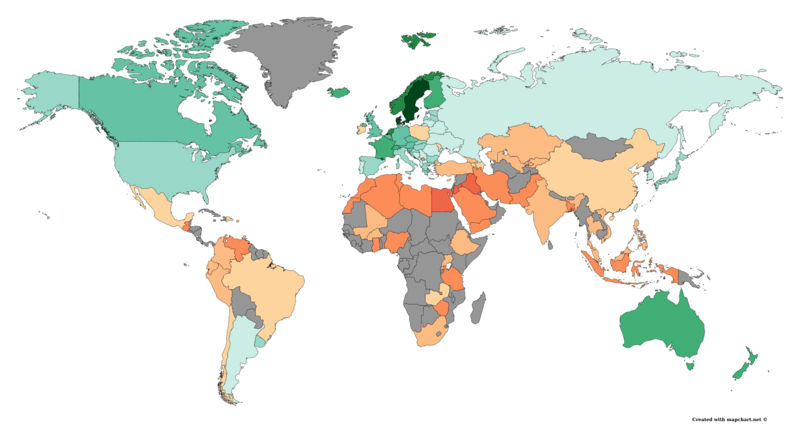
Green and blue countries have cultures are more individualistic; red ones are relatively collectivist || Credit: wikimedia commons

You can see this manifest clearly in countries like Cambodia, Laos , Vietnam and even Malaysia and Singapore — where politics are overwhelmingly dominated by a single party.

So it goes — that should an unelected actor (like the military) step in; it is not as fragrant a violation of the electorate’s civic rights.

What are your thoughts? Are there other reasons why the military might be such a political actor in South East Asia?

Let me know in the comments below!

You may also like:

History
Politics
Asia
Southeast Asia
Independence
Recommended from ReadMedium