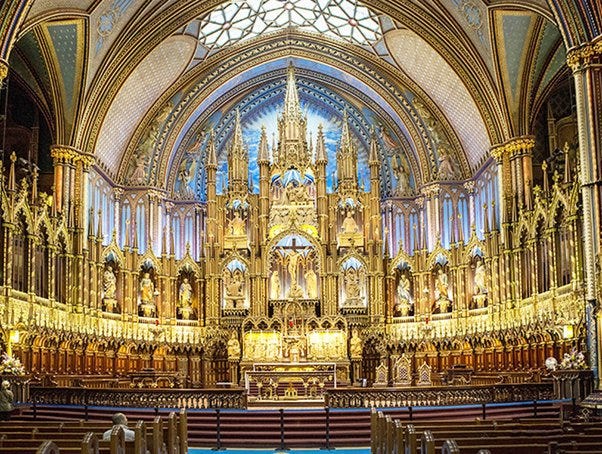
The Middle Ages in Paris: Rise of the Île de la City and Notre-Dame Cathedral
In the annals of history, the Middle Ages in Paris stand as a testament to the city’s enduring spirit of resilience, creativity, and faith. This period witnessed the rise of the Île de la City as the heart of Parisian life, as well as the construction of one of its most iconic landmarks, Notre-Dame Cathedral. Let us embark on a journey through time, exploring the rich tapestry of medieval Paris and the architectural marvel that continues to inspire awe and reverence to this day.
Paris’s birthplace is the Île de la City:
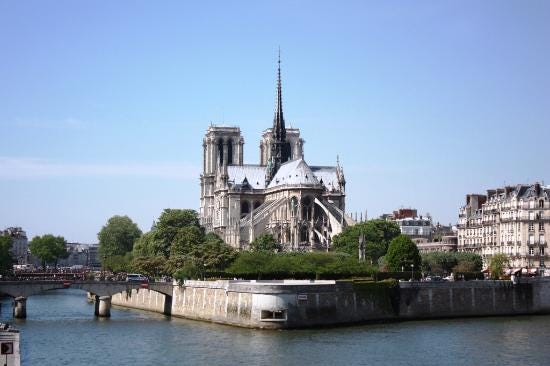
Situated at the centre of the Seine River, the Île de la City was the original location of Paris. The Paris, a tribe that once thrived on the banks of this little island, were the island’s first inhabitants. With the passage of time, the Île de la City developed into a thriving centre of politics, trade, and art that drew nobility, craftspeople, and traders from all over the world.
Medieval Paris: The City of Light:
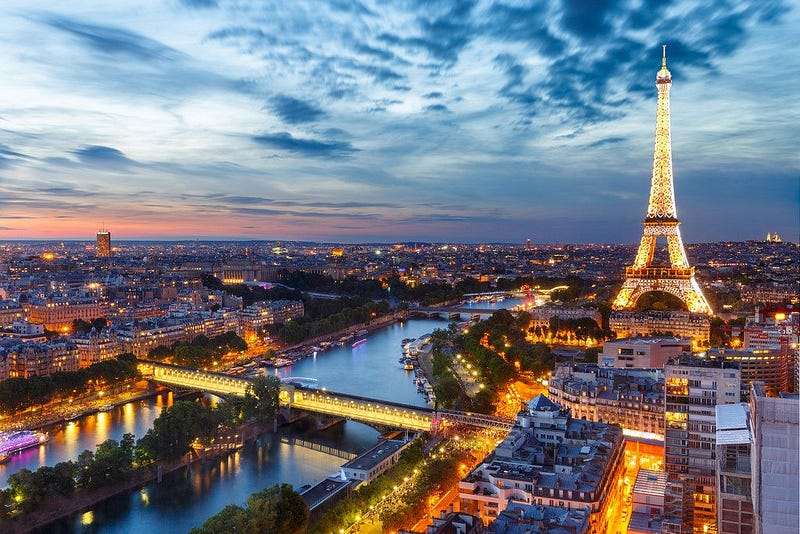
During the Middle Ages, Paris experienced a period of remarkable growth and prosperity. The city’s strategic location along the trade routes of Europe fueled its economic success, while the patronage of the French monarchy fostered a flourishing artistic and intellectual scene. Magnificent churches, monasteries, and palaces dotted the skyline, testament to the city’s burgeoning wealth and influence.
Notre-Dame Cathedral: A Symbol of Faith and Ingenuity:
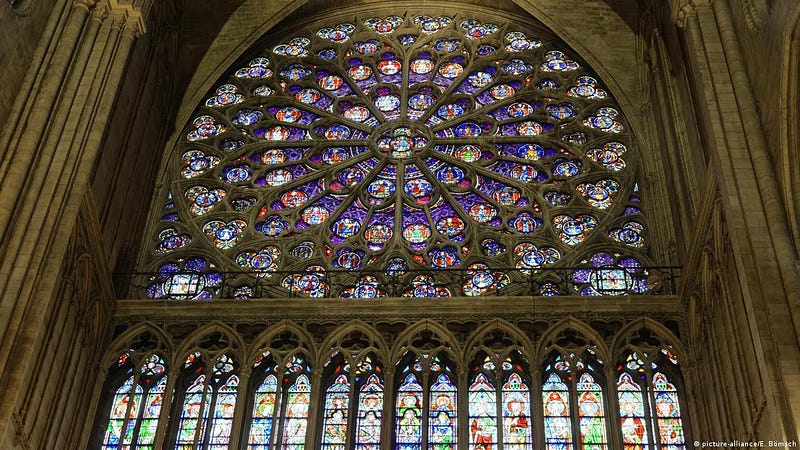
At the heart of medieval Paris rose Notre-Dame Cathedral, a towering masterpiece of Gothic architecture that would come to symbolize the spiritual and cultural identity of the city. Construction of the cathedral began in the 12th century, under the auspices of Bishop Maurice de Sully, and continued over the course of several centuries. Notre-Dame’s soaring spires, intricate stained glass windows, and majestic façade captivated the imaginations of all who beheld it, serving as a testament to the ingenuity and craftsmanship of medieval artisans.
The Role of Notre-Dame in Medieval Society:
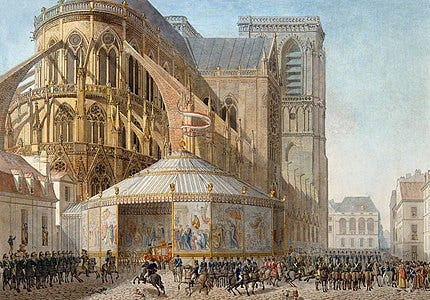
Notre-Dame Cathedral played a central role in the religious and civic life of medieval Paris. It served as the seat of the Archbishop of Paris and the focal point of religious ceremonies and processions. Pilgrims from across Europe flocked to Notre-Dame to pay homage to its relics and seek solace in its hallowed halls. The cathedral also served as a venue for royal coronations, weddings, and funerals, further solidifying its importance in the political and cultural landscape of the city.
Enduring Legacy: Notre-Dame Through the Ages:
Over the centuries, Notre-Dame Cathedral has weathered wars, revolutions, and the ravages of time, yet it remains a beacon of hope and inspiration for millions around the world. Its timeless beauty and spiritual significance continue to draw visitors and pilgrims from every corner of the globe, reminding us of the enduring legacy of medieval Paris and the enduring power of human creativity and faith.
In conclusion, the Middle Ages in Paris were a time of great transformation and achievement, marked by the rise of the Île de la Cité as the center of Parisian life and the construction of Notre-Dame Cathedral as a symbol of faith and ingenuity. As we reflect on this remarkable period in history, let us marvel at the enduring legacy of medieval Paris and the architectural marvels that continue to inspire wonder and awe to this day.