
The Math Behind Why Cooking is So Much Cheaper Than Eating Out
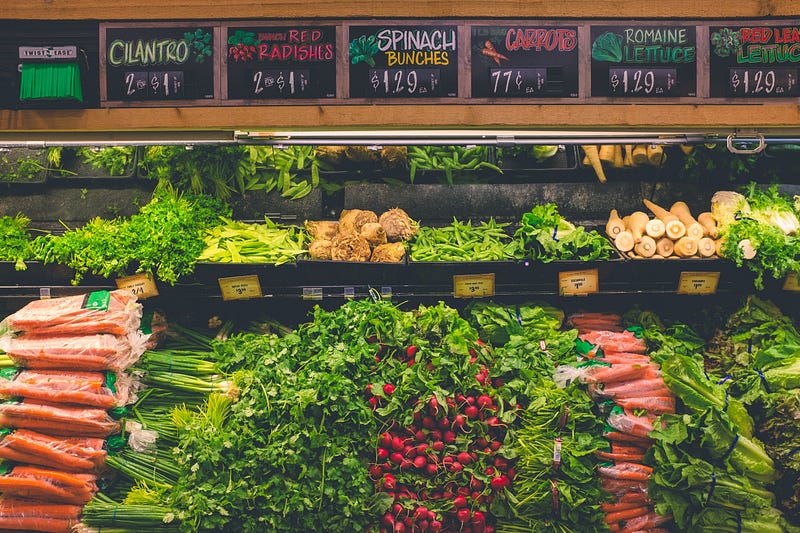
According to the consumer expenditure survey, food is the third highest expenditure in the average household, trailing only transportation and housing.
It’s pretty much a non-negotiable part of the budget since we all have to eat, but the amount that we spend can be hugely variable.
I like to look at the cost of food in terms of the cost for one person in your family to eat one meal. This allows you to compare apples to apples to see which options make the most economic sense.
When it comes to eating out, I believe there are three distinct tiers:
Frugal Fast Food
This category isn’t particularly healthy, but if you split a Pizza Hut pizza or order off the dollar menu at McDonald’s you shouldn’t have that much trouble getting a meal for somewhere between $3 and $5.
This is about the best you can do when eating out and it’s probably not something you want to do too often, both because it’s super easy to get sick of cheap fast food and because it’s terrible for your health.
Fast Casual
When I created these categories, I was mostly thinking of stuff that was a small step up from straight fast food for this one: Chipotle, Panera, etc.
But lets face it, most fast food meals actually fall into this category now, and some of the places that I used to consider “fast casual” can easily put you over $10 if you’re not careful.
Restaurants
I’m defining restaurants as places where you are served at the table and are expected to leave a tip. $8 is fairly cheap for a restaurant meal where you don’t get a drink, but then with taxes and tip you’ll end up spending over $10
Yes there are exceptions when you have a coupon or it’s half priced burger Tuesdays or something, but in general $10 is a pretty reasonable price floor for eating at a restaurant.
In fact, it’s very easy for two person to spend two or three times that amount — or more! — depending on the restaurant and what they order.
Let’s compare how this stacks up to the spectrum of eating in:
Notice here that there’s no overlap. You’ll have a really hard time spending less than $3 a meal when you eat out or spending more than $3 for a meal you make yourself.
I’ve been tracking how much the average meal cooked at home costs for the past year and a half.
How do I do it? I download all the transaction data from my credit cards into a spreadsheet, then use a count function to determine the number of times I ate out. I then take the amount of times I ate out and subtract it from the total number of meals that I would have eaten (this is 3x the number of days in the period, though I usually multiply the result by .8 to account for any meals I might have skipped). Once I know how many meals were prepared at home, I divide that number into my grocery bill. to get the average cost of a meal eaten at home.
The results? My family is consistently under three dollars per person per meal and several times have even come in under $2 per person per meal.
We don’t do crazy couponing, and we don’t just eat rice and beans for every meal. We just do a normal grocery shopping where we focus on loading up on basic staples and we make simple, tasty meals out of real ingredients.
The Impact of Lowering Your Average Meal Costs
Here’s where this becomes significant.
The average person eats close to a thousand meals a year (365 x 3 = 1,095). Every time you lower your average meal cost by a dollar, you save $1,000 per year per person in your household.
So if you’re a family of four and you go from spending $5 for your average meal to $3, you save $8,000!
The easiest way to lower your average meal costs is to swap out meals that you are eating out for meals that you make at home.
This could mean bringing a brown bag lunch to work instead of going out every day.
My family had a huge frugal win last year when we noticed that every Sunday we were having lunch out and we made Sunday lunch a leftover meal (our leftovers almost always used to get thrown out). This was huge because not only did we eliminate an expense, but the meal we ended up eating was 100% honest to goodness free. I’ve heard somewhere that around 25% of groceries are thrown away, so you can start eating at home more without adding a dime to your grocery bill just by getting a little more efficient with how you use the food you buy.
Two Hacks
If you’re going to start eating more meals at home, here are two strategies that will help tremendously.
Master ten simple, delicious recipes
You don’t need to have a thousand recipes that you’re awesome at making, just a few will do.
When I say simple, I mean simple to prepare and made of simple ingredients like meat, vegetables, dairy, fruit, legumes, rice, flour, herbs and spices, etc.
Develop a regular routine
Taco Tuesdays. Meatless Mondays. Whatever you want to do, just develop a rhythm.
One of the reasons that people don’t like to cook is that there are too many decisions to be made. Another is that there are multiple parts: shopping, cooking, cleaning, etc.
Developing a regular routine helps address both of these. You’re not making anymore decisions at the grocery store, you just go on autopilot and buy the things you already know you need. The more you do it, the quicker and more efficient you’ll get.
You also get more efficient at cooking and cleaning since you build up lots of practice cooking the same things over and over.
Plus when you develop a routine, deviating from the routine becomes a special event. If you’re eating out all the time, “let’s order pizza tonight!” might be greeted with an unenthusiastic “meh,” but when you are breaking a routine of home cooked meals, it becomes a rare treat.
Final Thoughts
I’m not judging you for the choices you make spending money on food. I really like good food myself and I like to eat out.
But if money is tight and you’re looking for areas to cut back, this is a great way to save some money while getting healthier. Remember, the savings can be huge here, especially if you have a large family or are eating lots of meals at really expensive restaurants.
This is an alternate version of an article that appears on Money: The Simple Way


